Sign in. It’s quick, free and it’s up to you.
An account is an optional way to support the work we do. Find out more.
Sign in. It’s quick, free and it’s up to you.
An account is an optional way to support the work we do. Find out more.
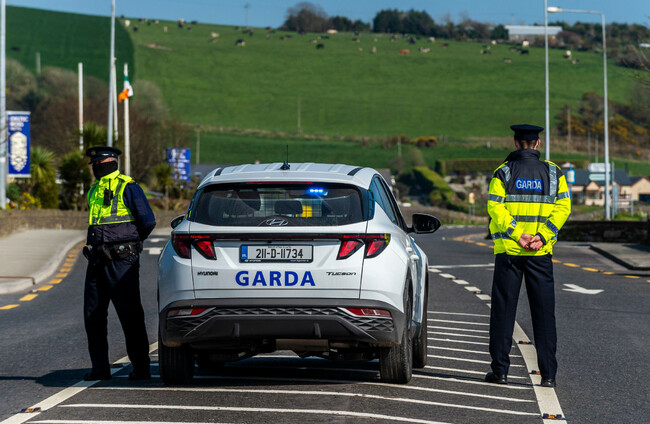
IRISH DRINK-DRIVERS are typically not “just over the limit” but severely so, according to new analysis of garda checkpoint data by the Medical Bureau of Road Safety (MBRS).
It comes as a survey for the Road Safety Authority has found that one in 10 motorists drove a vehicle after consuming alcohol in the past year – the worst for road fatalities since 2016, with 184 people losing their lives.
However, RSA and MBRS representatives at a seminar on drink driving on Friday told The Journal it was too early to quantify the contribution of drink driving to the significant increase in deaths on the roads last year.
It can often take three or four years for the RSA and Health Research Board to obtain a final picture on the causes of road fatalities in any given year, partly due to waiting for coroners’ files on cases to conclude.
Professor Dennis Cusack, director of the MBRS, said a 150-day wait for toxicology reports was slowing down the process of investigating the increase in road deaths last year. He added that this had been discussed recently at a ministerial meeting on road safety.
He said a wait of three or four years for answers as to the causes of last year’s increase in road deaths was not acceptable and work was under way to try to expedite research in this area without prejudicing ongoing legal procedures.
Road safety experts speaking at the seminar in UCD this morning warned that contrary to public perception, Ireland’s drink driving problem has not gone away.
The new RSA research on public attitudes also found that “social disapproval” of driving after drinking may not be as strong as it once was.
RSA research manager Velma Burns described as “very concerning” a finding from the 2023 survey that one in four respondents believed it was acceptable to drive short distances in your local area after one drink.
Built-in breathalysers
Medical experts said it must also be borne in mind that a very high proportion of people who drink-drive have an alcohol problem.
In future, interlock devices – built in breathalysers that prevent vehicles from starting if the driver’s alcohol level is over a certain threshold – may be fitted to the vehicles of people convicted of drink driving.
Professor Desmond O’Neill, a hospital consultant and Trinity College academic, has recently conducted research for the RSA on how interlock devices could be used in such cases. He emphasised that this would not work unless it was done in conjunction with treatment for alcohol use disorders.
O’Neill said tackling drink driving by people with alcohol use disorders is “what has been missing from the jigsaw”.
He said international data has indicated that 80% of first-time drink driving offenders, 89% of second-time and 98% of third-time offenders had an alcohol use disorder.
Interlock devices are currently being used on a voluntary basis by some haulage and transport companies.
Professor Dennis Cusack, director of the MBRS, noted that under EU rules, all new cars now have a computer port into which such devices can be plugged.
The governement’s Road Safety Strategy calls for a working group on the implementation of an alcohol interlock programme, supported by a drink-driving rehabilitation course for high-risk offenders.
‘Way over the limit’
Cusack, who is also a former coroner, said that “when people are drunk driving they are really drunk driving” and “way over the limit”.
He added that data indicates the same is true for those driving under the influence of cannabis.
RSA chair Liz O’Donnell told the event that the fact that people were “well over the limit” when caught was “really worrying for us in this country where we have a traditional problem with drink driving.”
She described the significant increase in road deaths last year as a “source of huge regret” to all those working in road safety.
“There’s a huge amount of grief in the country by people who have been bereaved by these preventable deaths,” she said.
Of the 184 road deaths in 2023, 69 were drivers, 44 were pedestrians, 34 were passengers, 26 were motorcyclists, 8 were cyclists and 3 were e-scooter users.

To embed this post, copy the code below on your site











have your say