Sign in. It’s quick, free and it’s up to you.
An account is an optional way to support the work we do. Find out more.
Sign in. It’s quick, free and it’s up to you.
An account is an optional way to support the work we do. Find out more.

TÁNAISTE EAMON GILMORE has said the government doesn’t have any information on reports that the four Irish citizens being held by authorities in Cairo are facing a number of serious charges.
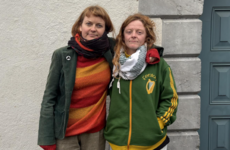
The Irish Times reported this morning that the three Halawa sisters, Omaima (21), Fatima (23) and Soumaya (27), and their 17-year-old brother Ibrahim are facing charges including attempted murder, possession of firearms and being members of a militant group.
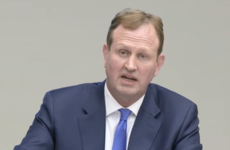
But Gilmore, the Minister for Foreign Affairs, was not in a position to confirm the report by Mary Fitzgerald when speaking to the media in Brussels this afternoon ahead of an emergency EU meeting on the Egypt situation.
“We don’t have any information about those reports. We’ve obviously read the reports in the newspaper,” he said.
Gilmore mentioned the visit by a consular official from Ireland’s embassy in Cairo to the four siblings in prison yesterday and repeated the words of his junior minister Joe Costello that the Halawa siblings were “in good spirits”.
“I’ve got a report on that consular visit,” Gilmore said. “But we don’t have any information at this point about any charges that have been brought against them.”
He said that the government was concerned and said it would continue to keep in contact with the Halawas and their family in Dublin.
“We’re going to watch the situation very closely,” Gilmore said.
The Tánaiste also spoke about today’s emergency meeting of EU foreign ministers which aim to examine EU relations with Egypt in the wake of the ousting of elected president Mohamed Morsi last month.
“We’ve been very concerned at the lost of life, the violence that has been occurring in Egypt, the deterioration in the situation there,” he said adding that Europe has “always had a very good relationship” with Cairo.
He said it would be a lot easier to address the situation at an EU level now than to do it “at some stage later”.

To embed this post, copy the code below on your site









have your say