Sign in. It’s quick, free and it’s up to you.
An account is an optional way to support the work we do. Find out more.
Sign in. It’s quick, free and it’s up to you.
An account is an optional way to support the work we do. Find out more.
 The Daily Poll
IT’S JUST EIGHT years since the bottom fell out of Ireland’s world financially.
The global credit crunch first began to make its presence felt in Ireland in 2008.
A recession, mass austerity and emigration, a property crash, Nama, and a €40 billion banking bailout later, the signs are that Ireland’s economy is well on the road to recovery in 2016.
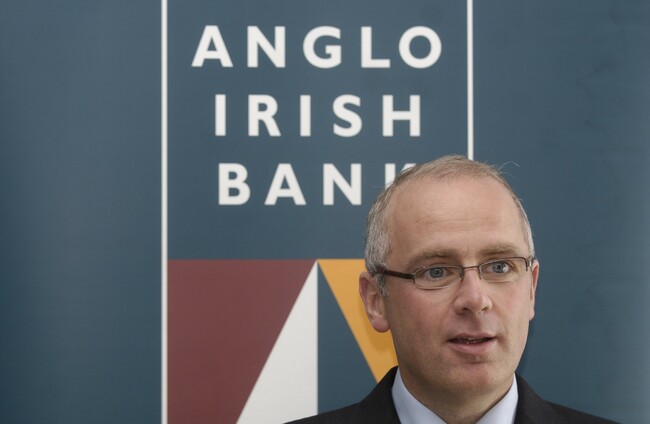
However, director of credit institutions supervision at the Central Bank Ed Sibley has warned that a return to aggressive lending practices is just one sign that another financial crash is not beyond the bounds of possibility.
In a speech to the Banking and Payments Federation of Ireland (BPFI), Sibley cited the fact that more than 43,000 homes in Ireland are in arrears of greater than 90 days on their mortgage as a grave cause for concern.
“Some memories do appear to be surprisingly short, both within the banks and outside them,” Sibley said.
We have already seen some evidence of a return of more aggressive lending practices and cultures, and issues with… the effectiveness of board oversight over new lending.
We forget the lessons from this crisis at our peril.
But does he have a point?
We’re asking: Has Ireland really learned its lesson following the financial crash?

To embed this post, copy the code below on your site














have your say