Sign in. It’s quick, free and it’s up to you.
An account is an optional way to support the work we do. Find out more.
Sign in. It’s quick, free and it’s up to you.
An account is an optional way to support the work we do. Find out more.
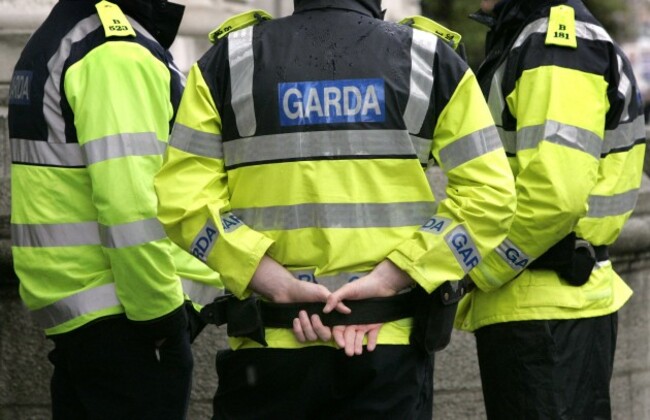
THE NATIONAL STEERING committee on female genital mutilation (FGM) has called on the government to implement a national action plan on the practice.
The call follows the arrest of a man in Crumlin, south Dublin, last Friday after the suspected genital mutilation of a 21-month-old Somali girl.
The girl is currently in hospital receiving treatment for type 1 genital mutilation – the partial or total removal of the clitoris (such mutilations are divided into four categories).
The arrested man, who is also understood to be Somali, meanwhile was subsequently released by gardaí.
A health ambassador for AkiDwA (a national network for migrant women living in Ireland) Eritrean national Mehelet, who was a victim of FGM on four occasions, described to TheJournal.ie her horror at hearing of what had happened to the Somali child in Crumlin.
“I was very upset by what happened to that little girl,” she said. “I try not to talk as a victim, but you must understand that there are other children who will not make it to hospital.”
The FGM which Mehelet suffered was inflicted in Sudan (the country with the highest rates of FGM in the world) before she was ten years old by a relative of her sister-in-law. Married with children in Co Laois, she first came to Ireland in 2004.
“In Sudan, it is celebrated, as a rite of passage that a girl must go through to prove that she will stay a virgin. My mother and sisters all went through it also,” Mehelet says.
I treated myself as a victim for a long time because it did affect me healthwise, you are essentially walking around with an open wound.
Mehelet sees the practice as “a human rights violation, worse than child abuse”.
“Why should someone have something taken away from them that they were born with? Who has the right to do that,” she says.
Working as a health ambassador with AkiDwA, her role is to educate as many people as she can about FGM, in particular alerting the likes of GPs to the warning signs that they have seen an occurrence of the practice. She is earnestly hoping that a prosecution will follow from what happened in Crumlin.
“I hope that this will be acknowledged and pressed hard. This is very wrong, exposing a child to this heinous situation,” she says.
I am hoping that they will make an example of the parent.
Full investigation
The steering committee, which was first convened in 2014 by AkiDwA, wants the gardaí to “fully investigate and prosecute the case under the FGM Act 2012″.
The number of women living in Ireland who have undergone FGM is estimated at approximately 3,800.
“We are dealing with a very hidden issue here, a very important issue, one that has been ignored for too long,” Salome Mbugua, president of AkiDwA, told TheJournal.ie.
Despite Ireland having a law to prohibit FGM and prosecute offenders, this law has not been made known to the public and cases of FGM will continue to take place.
The draft national action plan launched in May 2016 is yet to be implemented to prevent further cases such as this one.
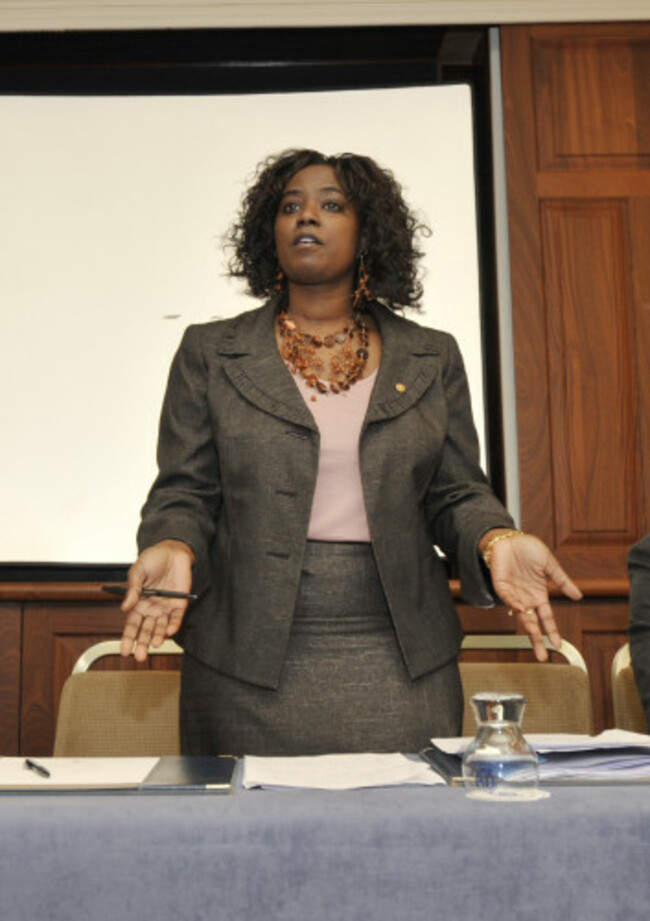
Dr Caroline Munyi of Trinity College Dublin and ActionAid, who wrote her PhD on cultural practices such as FGM, states that the problem is probably far more prevalent in Ireland than people suspect.
“We’ve been trying to get in touch with the Somali community in Crumlin but without success,” she says.
There is likely much more of this in Ireland than people think.
You’re dealing with isolated communities and people coming here all by themselves. It’s a very hard culture to penetrate.
“Things like this only come out when there are complications. If something hadn’t happened last week would we have ever heard about this?” she added.

To embed this post, copy the code below on your site















have your say