Sign in. It’s quick, free and it’s up to you.
An account is an optional way to support the work we do. Find out more.
Sign in. It’s quick, free and it’s up to you.
An account is an optional way to support the work we do. Find out more.

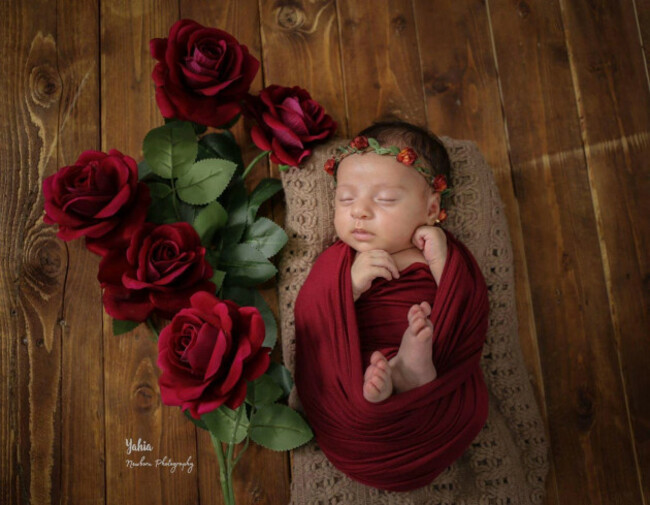
YAHYA BARZAK’S INSTAGRAM page is adorned with carefully constructed and highly styled photographs of beautiful babies.
The 34-year-old photographer, once he was able to secure a studio in his home city of Gaza, was drawn to the idea of newborn portraits.
Now though, many of the images on his social media feed are marked with an ominous black line – a literal mark of death.
The once joyous and lively page has turned into a sombre reflection of despair and sorrow.
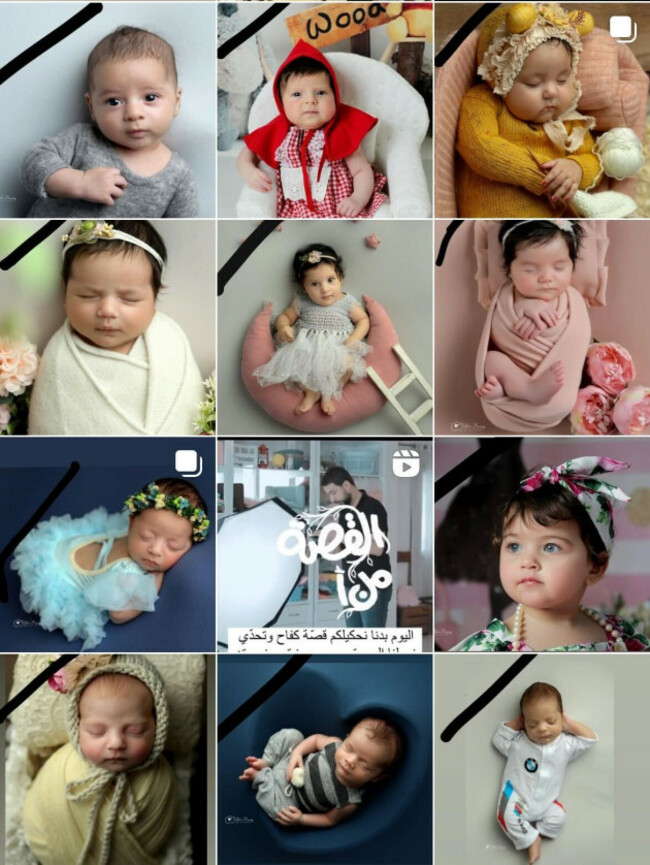
Despite the challenges he faced growing up in the Gaza Strip due to the blockade imposed since 2007, he managed to turn his once hobby into a career – establishing his own studio.
But in the past few months, he has lost the private studio, as well as his home. Devastatingly, he is also counting the number of the children he has photographed over the years who have perished in the Israeli attacks on Gaza.
“After being drawn to the images of children hanging on the walls of my house, I decided to venture into the field of photographing missing children here,” he told The Journal. “I owned a camera and a private studio for newborn photography in Gaza city.”
Before acquiring the studio, Barzak and his wife, Nahwand, extensively researched the professional field of newborn photography. He reached out to more established photographers seeking assistance until he honed his skills. He eagerly awaited his first experience and found no better occasion than the imminent birth of his sister’s child. He described that experience as “successful”.
Yahya reflects on the poignant case that vividly illustrates the stark interplay between joy and tragedy in his photographic journey. That journey started with the near-miraculous arrival of Reem Farajallah’s newborn five years ago, capturing the elation of a family that had triumphed over the challenges of infertility through in-vitro fertilisation (IVF).
Little did Yahya anticipate that this heartwarming narrative would eventually transform into a devastating account of loss during the war.
Reem Farajallah, 33, was killed in a recent attack on her house in the Nussierat refugee camp, located in the central area of the Gaza Strip.
Reem was a close friend of Yahya and his wife, and together they had gone on to document the arrival of Mariam’s brother Mohammed.
Both Mohammed, by then 3, and his mother lost their lives in the strike. Mariam, now 5 years old, survived the attack and was transported to Egypt with her aunt to undergo treatment for her critically injured legs.
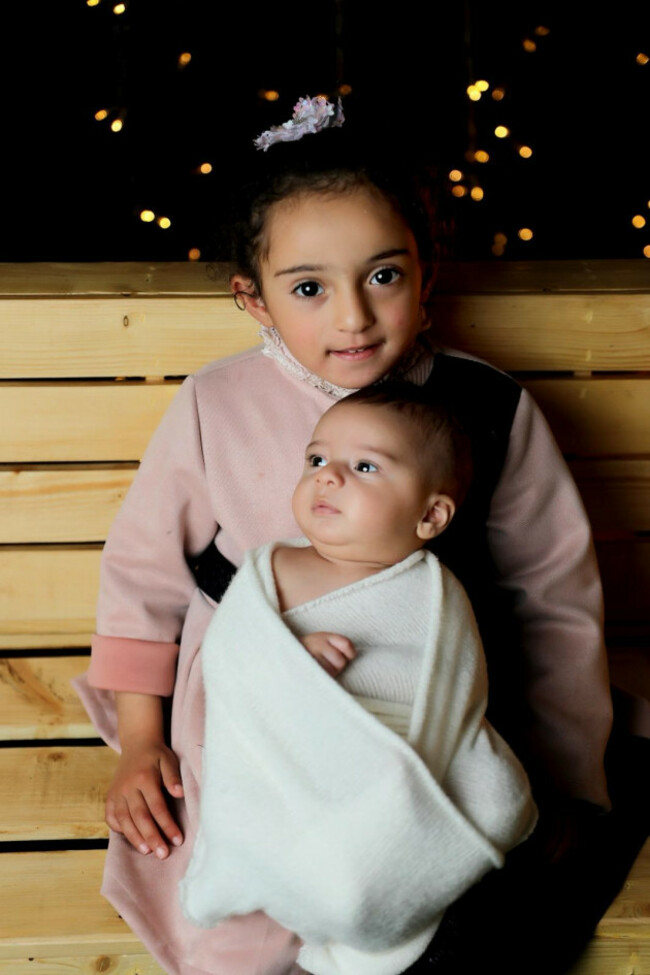
In the quiet moments of celebration, as Yahya immortalised the family’s happiness through his lens, little Mohammed’s innocence became a symbol of hope amidst adversity.
Recalling the anguish of discovering the fate of this once-cheerful family, Yahya expresses the weight of the emotional burden he carries. The moments captured in his photographs now serve as painful reminders of the fragility of life in a war-torn region.
As he opens up about the heartache that accompanies his craft, Yahya delves into the broader narrative of his photographic journey, where every image is not just a freeze-frame of former happiness but a poignant testament to the harsh realities faced by the resilient people of Gaza.
The daughter, Mariam Farajallah, a five-year-old, survived the attack but lost her leg.
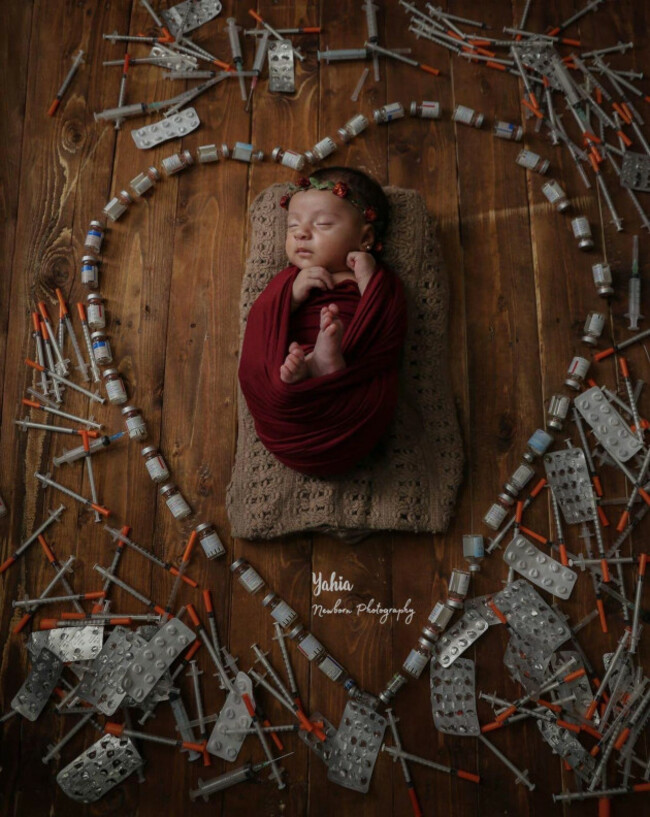
“Mariam was the first reason for my fame on social media,” Yahia recalls. “I posted a photo of her surrounded by a heart made of pregnancy vitamins her mother used. It resembled a heart encircled by the petals of needles. No one believed this professional photo was taken in Gaza.”
He added, “Later, Mariam visited us after three years for more photo sessions, and when we learned her mother was pregnant with Mohammed, we provided a free photography session for the family.
“But now, all that remains are the photos. We can’t bear this pain. Every day, I fear checking my WhatsApp messages or social media—I don’t want to learn about more killed children whom I photographed.”
Speaking to us via a WhatsApp call from her hospital, Mariam says, “My mother, brother and my leg went to heaven.”
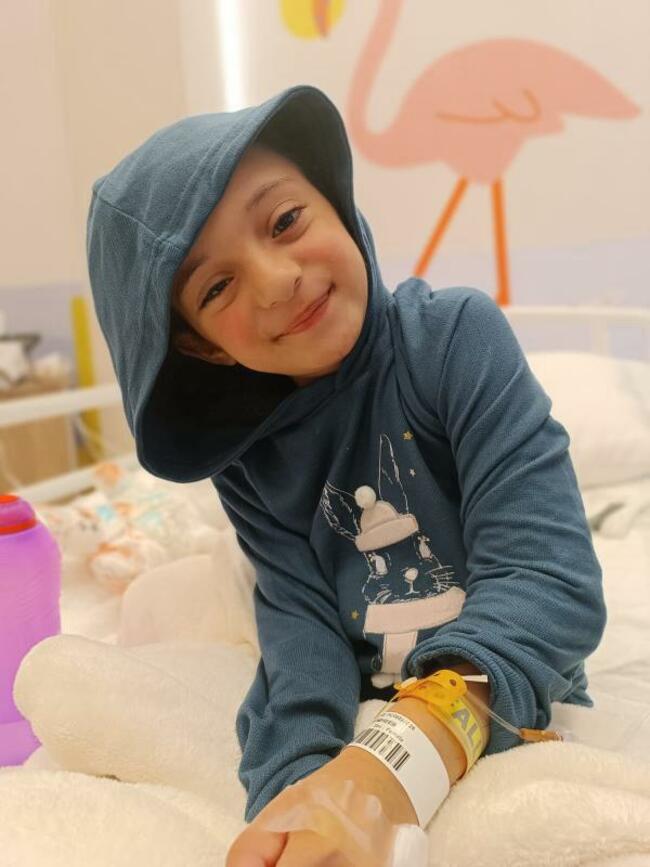
Yahia is striving to leave Gaza for the sake of his life and family—his wife and two children. He is currently seeking donations to cover the costs associated with coordinating Palestinian travel, as leaving has become restricted and possible only for those who can afford it.
“Gaza pays a high price, and the world remains silent,” he laments.
Update, 4 June 2025: This article was originally published under a pseudonym. The byline has been updated to reflect the journalist’s real name, Hana Salah, following a change in safety considerations.
Hana Salah is a Palestinian journalist and war survivor who reports on economics, conflict and development. Displaced during the Israeli assault on Gaza, she is now based in the UK. Her work has appeared in the LA Times, Al Jazeera, Al-Monitor, Channel 4 and other international outlets.
To embed this post, copy the code below on your site









have your say