Sign in. It’s quick, free and it’s up to you.
An account is an optional way to support the work we do. Find out more.
Sign in. It’s quick, free and it’s up to you.
An account is an optional way to support the work we do. Find out more.
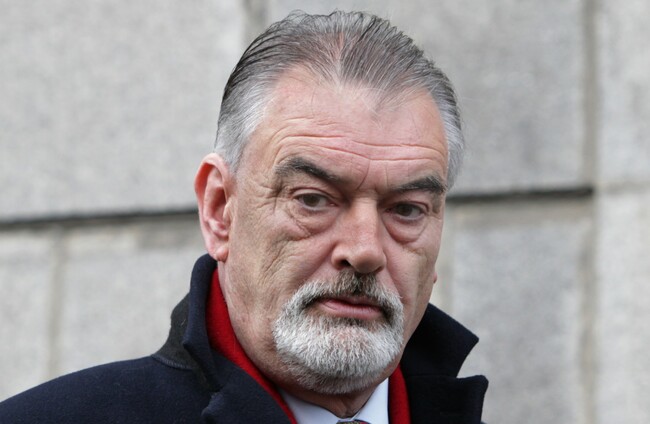
FRANCE IS SET to charge Ian Bailey over the 1996 murder of Sophie Toscan du Plantier, according to reports in the French media.
Bailey has twice been arrested over the murder of the French filmmaker in Schull, Co. Cork but he has never been charged in connection with the case.
Efforts by French authorities to extradite Bailey have also been unsuccessful.
It appears now, however, that they will proceed with indicting him over the death of the French woman and issue a Europe-wide warrant for his arrest.
The previous decision by the Irish courts not to extradite Bailey means that any French trial of Bailey would likely take place without his presence.
Bailey’s solicitor told TheJournal.ie that this was a “predictable outcome”.
“The French feel it’s the right thing to do from their point-of-view,” said solicitor Frank Buttimer.
I think the conduct of French State in this matter is outrageous. It’s an affront to our justice system.
He said the Irish State’s facilitation of the prosecution against Bailey was also outrageous considering the Supreme Court decision not to extradite him.
French police have made multiple visits to Ireland as part of their own investigations into the case.
In 2014, Bailey launched an unsuccessful civil action against An Garda Síochána, the Minister for Justice and the Attorney General claiming he was wrongfully arrested over the case.
Buttimer says this latest development further prolongs Bailey’s association with a crime his client says he is “completely innocent” of, adding that his “life has been destroyed”:
For Ian this is another chapter in the 20 year association that he’s had with this crime of which he’s completely innocent. His life has been destroyed by this activity and this wrongful connection with this crime which he did not commit.
Buttimer also described Bailey as “a prisoner” in Ireland as he cannot leave the State because he risks being detained by French police.
“He couldn’t go to his mother’s funeral in the UK when she died for this reason,” Buttimer said.
- With reporting by Michelle Hennessey

To embed this post, copy the code below on your site














have your say