Sign in. It’s quick, free and it’s up to you.
An account is an optional way to support the work we do. Find out more.
Sign in. It’s quick, free and it’s up to you.
An account is an optional way to support the work we do. Find out more.
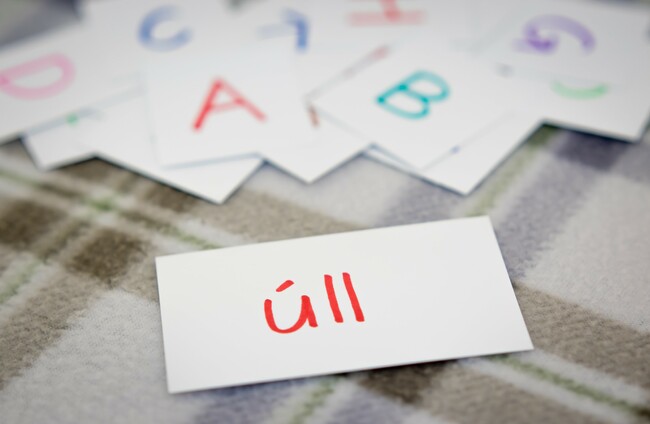
STUDENTS WHO APPLY for an exemption from Irish on the grounds of disability will no longer have to provide evidence from a psychologist.
That change is one of a number being rolled out by the Department of Education on the question being exempt from studying Irish in primary and post-primary school.
The changes have been confirmed by Education Minister Joe McHugh following a public consultation period that lasted a number of months and which saw 11,109 people responding to a government survey.
Students in special schools or special classes attached to mainstream schools will not be required to apply for an exemption and the grounds for an exemption based on age and study abroad are also being amended.
Previously, students whose primary education up to 11 years of age was received in Northern Ireland or outside Ireland could apply to be exempt from Irish.
Under the changes that will come into effect, this will increase up to 12 years which the department says brings the situation into line with the final year of primary education.
The changes will be laid out in a circulars that will be issued in September for the upcoming school year and replace the rules that have been in place for more than 25 years.
The decision to grant an exemption will continue to be made by the school principal and the department says exemptions should only be granted “in rare and exceptional circumstances”.
The circular applies to English-language schools only as students in gaelscoileanna are required to studied Irish.
“The decision to grant an exemption from the study of Irish should not be taken lightly,” the minister said announcing the changes.
“It is an important decision that will have implications for the student’s future learning.
The benefits of bilingualism and studying a language from a young age are becoming better understood with studies showing it helps mental agility, makes it easier to learn a third or more languages and that it can help support a child’s academic achievement in other subjects like mathematics.
The consultation period on the changes saw some 11,109 individuals responding to the survey, 57% of whom were parents, 41% teachers and 17% students.
The department added that written submissions were made by 24 organisations and 125 individuals and that officials met with Foras na Gaeilge and Dyslexia Association of Ireland.

To embed this post, copy the code below on your site
















have your say