Sign in. It’s quick, free and it’s up to you.
An account is an optional way to support the work we do. Find out more.
Sign in. It’s quick, free and it’s up to you.
An account is an optional way to support the work we do. Find out more.
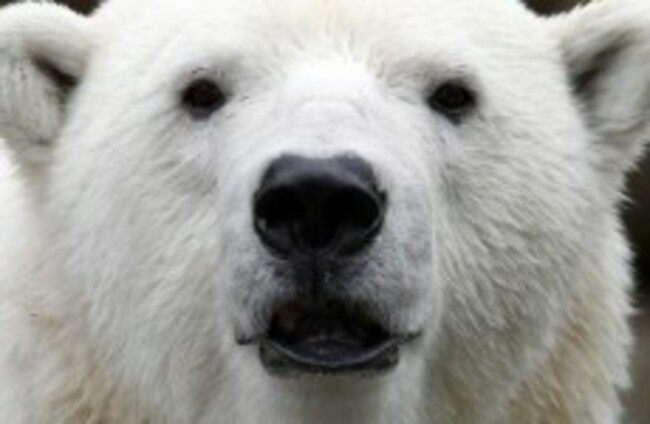
SCIENTISTS HAVE SAID zoos should be aware of the dangers of viruses jumping from one animal to another as it emerged a polar bear in a German zoo died from a zebra virus.
The incident happened in Wuppertal Zoo, Germany, in 2010 when a female bear called Jerka died and its companion barely survived after they fell sick with a mutated herpesvirus that originated in zebras.
The finding is a concern, for it shows how endangered species in zoos could be at risk from species-jumping pathogens, researchers say.
“The symptoms were quite shocking, and it was completely unclear at the time what was causing them,” Wuppertal vet Arne Lawrenz said in a press release issued yesterday.
“We tried to stabilise both animals for days. In the case of Jerka, we were sadly unsuccessful. Fortunately, however, Lars recovered after several weeks and is still alive today.”
The next step was to hunt for the cause of the virus, and the result – published in the journal Current Biology yesterday – points to a hybrid virus that began in zebras but spread to other species.
It is a mix of the equine herpesvirus EHV 9 and a cousin virus, equine herpesvirus 1.
The report said zoos unintentionally provide pathogens with a high diversity of species from different continents and habitats assembled within a confined space, offering them the opportunity to spread and evolve.
Still unresolved, though, is how the virus got to the polar bears, which are housed 68 metres from the zebras and are cared for by different keepers.
One theory is that other animals, possibly wild mice or rats, spread it around.
“These viruses do not seem to respect species boundaries and in fact we don’t really know whether they have any,” said Klaus Osterrieder, a professor at Berlin’s Free University, who took part in the probe headed by the Leibniz Institute for Zoo and Wildlife Research.
“One conundrum is that these viruses are not particularly stable in the environment, so it is important to figure out how they move between species.”
- Additional reporting by Michelle Hennessy.

To embed this post, copy the code below on your site













have your say