Sign in. It’s quick, free and it’s up to you.
An account is an optional way to support the work we do. Find out more.
Sign in. It’s quick, free and it’s up to you.
An account is an optional way to support the work we do. Find out more.
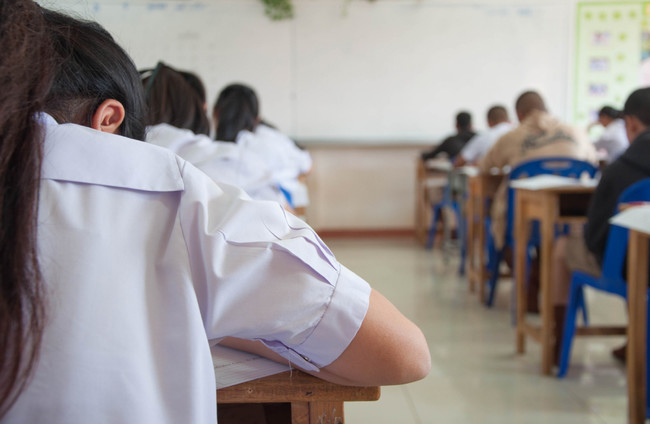
THE NATIONAL ASSOCIATION of Principals and Deputy Principals has called on the newly appointed Minister for Education Joe McHugh to address the growing teacher shortage which it says is forcing students to attend grind schools.
President of the NAPD Mary Keane said she will highlight the extent of the teacher shortage problem which she says is “the biggest crisis our sector faces” at the organisation’s annual conference today.
“We heard last week that there will be an increase in teachers posts and SNAs, however, as we embark on yet another school year, the lack of suitably qualified teachers is still a troubling concern with many schools opening without a full complement of staff this year,” Keane said.
This shortage is creating a socio-economic divide in many classrooms, according to Keane.
“With substitute teachers or fully qualified teachers in a number of key subjects impossible to find, parents, who are in the fortunate position to be able to do so, are supplementing their children’s education with grind schools.
This is creating an unfair divide between haves and have-nots which undermines the value of our public education system.
Keane added that while the Department had established a Working Group to tackle the teaching crisis, the NAPD is disappointed that no representatives from either the Primary or Post Primary sector is on this Group.
Over 500 second level school leaders are expected to meet at the organisation’s annual conference in Galway’s Galmont Hotel today to discuss the reforms they want in the education system.
The health and wellbeing of students is also high on the NAPD’s agenda according to Keane who says it wants access to one-to-one mental health counselling for all students, who require these services.
“Currently, there are lengthy waiting times for students to access these services.
“This lack of access to vital services places teachers and school leaders in a difficult position. While they continue to support these students, they are not getting the professional health services they need,” Keane concluded.

To embed this post, copy the code below on your site













have your say