Sign in. It’s quick, free and it’s up to you.
An account is an optional way to support the work we do. Find out more.
Sign in. It’s quick, free and it’s up to you.
An account is an optional way to support the work we do. Find out more.
PARIS HAS BEEN in the headlines over the past fortnight over an alert for dangerous atmospheric particles.
Despite the quite disturbing pictures of a pea-soup fog, Paris does not ordinarily count among the world’s most polluted cities.
According to a 2011 World Health Organisation (WHO) report, these are the top 10 cities in the world for pollution.
The pollution is measured as the microgramme (mcg) concentration per cubic metre of air of particulate matter smaller than 10 micrometres (PM10) – about a seventh of the width of a human hair. The figures are the average for the year. Seasonal spikes can be many times higher. The WHO’s health guidelines are maximum exposure of 20 mcg/m3, measured as an annual average.
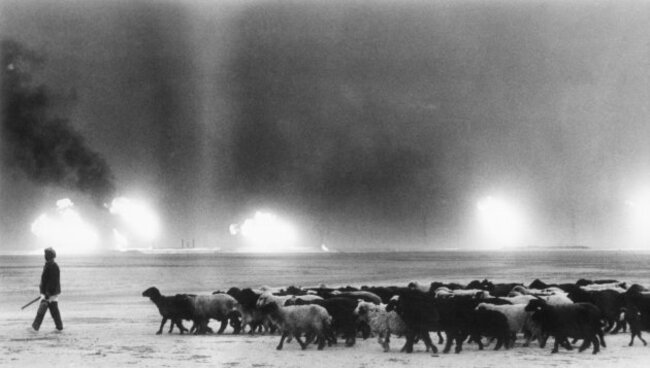
A local herdsman leads his flock of sheep across the desert near Ahvaz in South West Iran, at night by the light of several 100 foot flames burning from an oil production unit nearby, around August 1971. (AP Photo/Horst Faas)
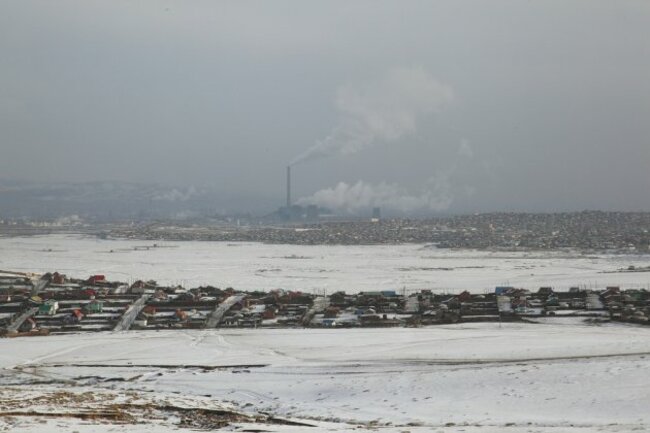
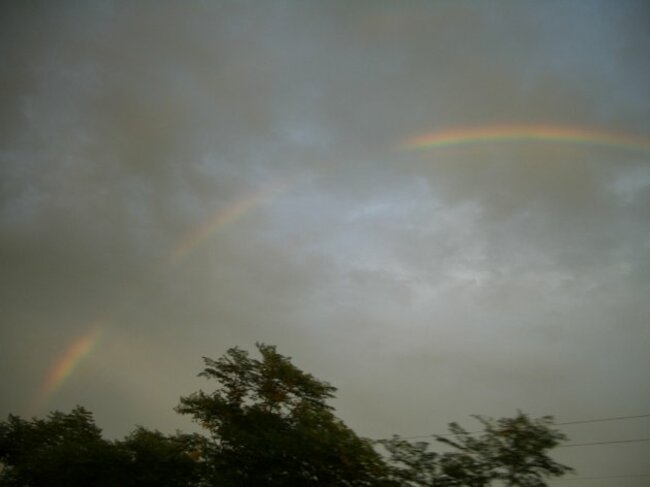
(Image: Ssppeeeeddyy/Flickr)
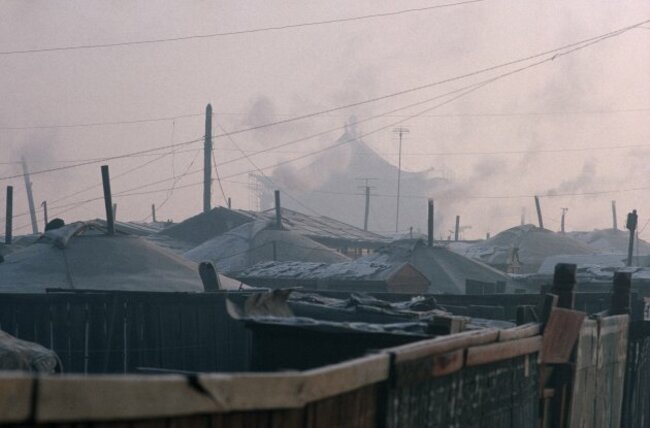
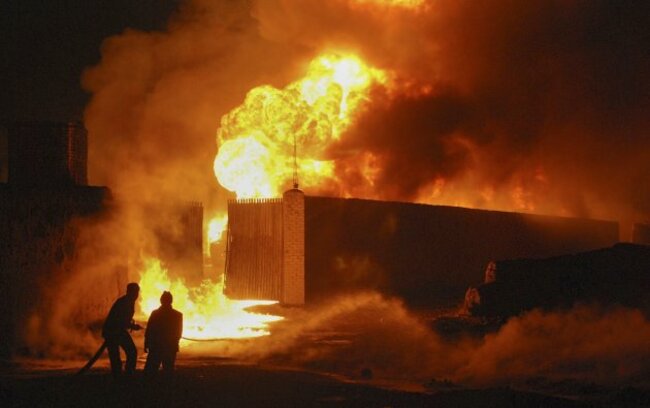
(Image: Eye Ubiquitous/Press Association Images)
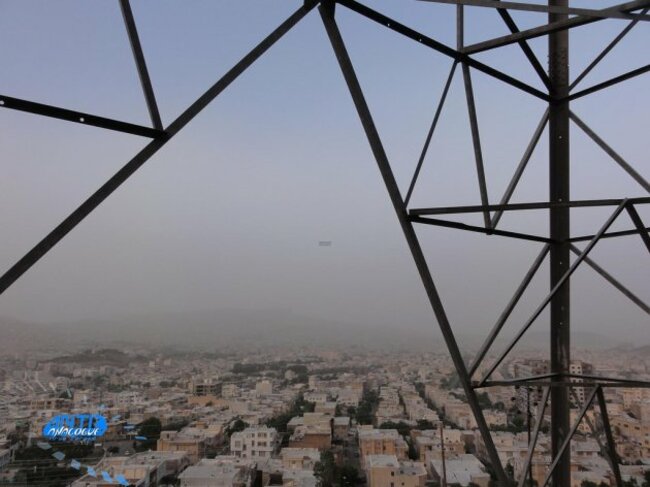
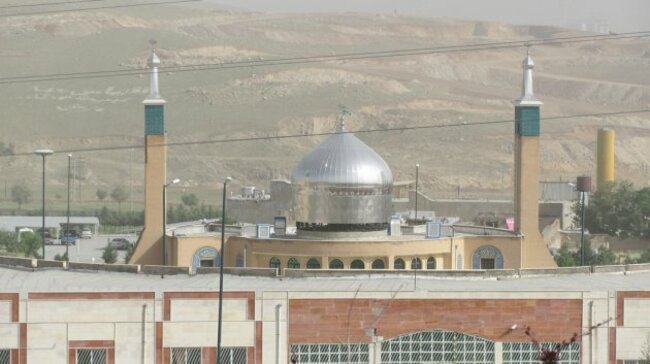
(Image: Anti_Analogue/Flickr)
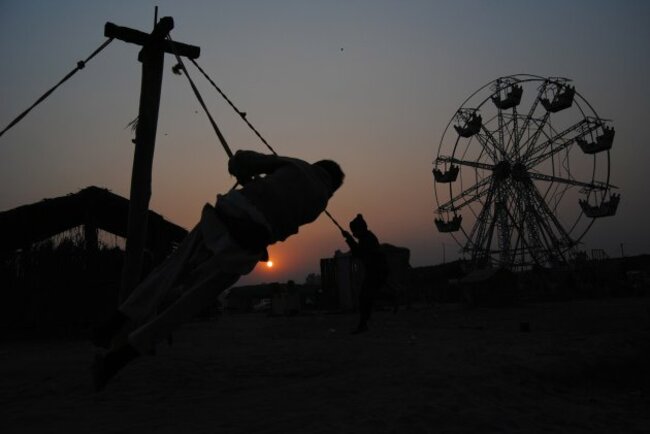
(Image: mookiy/Flickr)
(AP Photo/Arshad Butt)
(Image: Mame Di/Flickr)
(AP Photo/Mohammad Sajjad)
(AP Photo/Mohammad Sajjad)
(AP Photo/Mohammad Sajjad)
(Image:stormdog/Flickr)
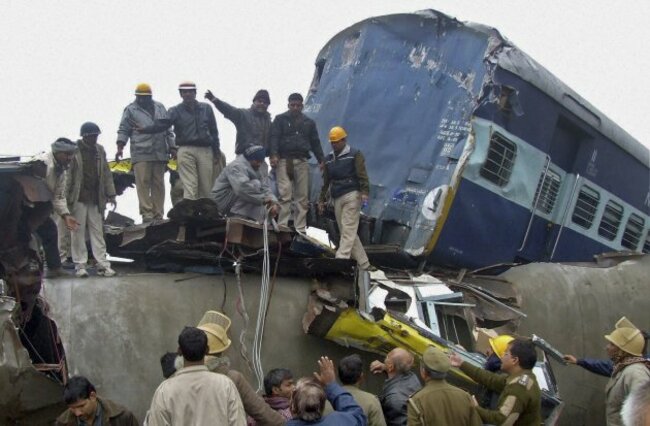
Rescue workers and police at the site of an accident in Kanpur, India in January 2010. Five people were killed and 50 others injured as four passenger trains collided early Saturday morning in two separate accidents caused by dense winter fog. (AP Photo)
(AP Photo/K.M.Chaudary)
Paris, whose levels hit a high of 180 mcg/m3 last week, has an annual mean level of 38 mcg/m3, according to 2008 data.
Beijing, which has also been in the news over smothering smog, is listed with an annual mean figure of 121 mcg/m3.
The Middle East and North Africa is the world’s most polluted region with an annual mean level well over 130 mcg/m3, followed by Southeast Asia with a level near 100 mcg/m3.
The UN’s health body estimates more than two million people die every year from breathing indoor and outdoor particle pollution.
Particles are released by burning petrol and diesel for car and motorcycle combustion, or coal, fuel wood, charcoal and animal waste for heating and cooking.
Weather conditions can drastically affect pollution levels, as in Paris where particles were trapped by a high pressure system causing sunny days and cold nights, with little wind.
Particulate pollution is also measured by levels of particles called PM2.5.
Measuring less than 2.5 mcg, or about a 30th the width of a human hair, these can penetrate deep into the lungs and are often made from more toxic materials than PM10.
Other pollution yardsticks are gases — ozone, sulphur dioxide and nitrogen oxide that are potential irritants of the airways or eyes.
SOURCE: Exposure: City Level Data by Country

To embed this post, copy the code below on your site











have your say