Sign in. It’s quick, free and it’s up to you.
An account is an optional way to support the work we do. Find out more.
Sign in. It’s quick, free and it’s up to you.
An account is an optional way to support the work we do. Find out more.
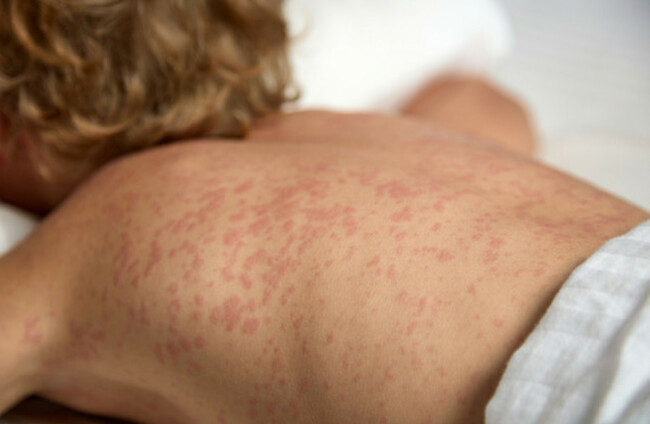
SIXTY-EIGHT CASES of measles have been confirmed in Ireland to date this year, according to the latest figures from the Health Protection Surveillance Centre (HPSC).
A further 17 possible measles cases are under investigation, as of yesterday morning.
Suspected cases of measles are tested in a laboratory, before being either officially confirmed as measles or denotified.
Of the 68 confirmed cases to date, 34 are males, 32 are females, and the gender was not recorded for two cases.
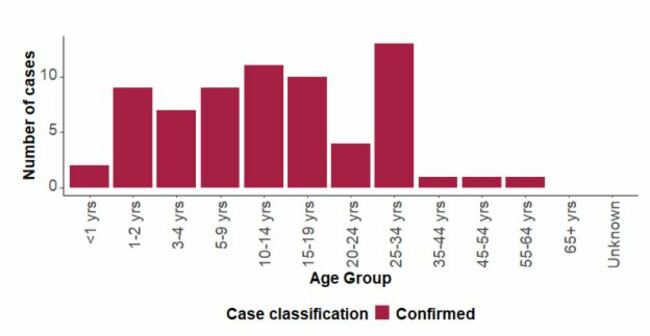
The majority of confirmed cases so far this year (65) have been confirmed in people aged 34 or younger.
Two cases have been confirmed in children younger than 12 months.
Ten outbreaks have also been reported, all of which occurred in either private houses or school/residential institutions.
Between two and 13 cases have been confirmed in each outbreak.
Doctors last month advised parents that young infants eligible for the MMR vaccine should receive an additional dose before travelling abroad as measles cases spike across Europe.
The Irish College of GPs recommended that infants between six and 11 months should receive an additional MMR vaccine at least two weeks before travelling overseas.
Measles is a highly infectious disease that can cause serious complications.
Particularly vulnerable groups are children under one year of age, pregnant women, and people who are immunosuppressed.
A measles infection tends to start with cold-like symptoms that develop about 10 days after a person is infected, followed a few days later by a rash. Symptoms include:

To embed this post, copy the code below on your site








have your say