Sign in. It’s quick, free and it’s up to you.
An account is an optional way to support the work we do. Find out more.
Sign in. It’s quick, free and it’s up to you.
An account is an optional way to support the work we do. Find out more.
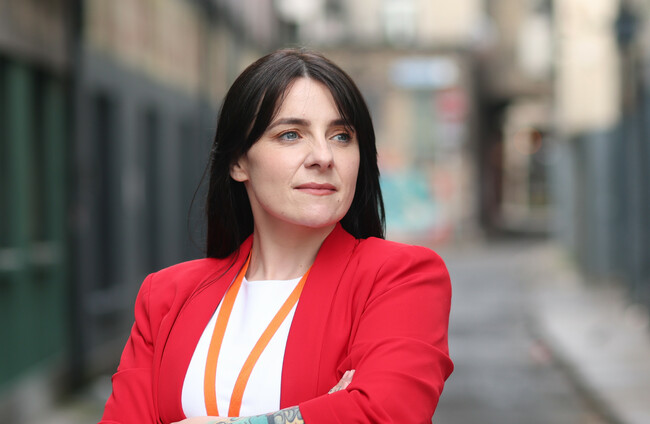
HOUSING NEEDS AND homelessness have become the most common reason that people seek support from Dublin-based charity Ana Liffey, overtaking substance problems.
The charity’s new annual report on its activities and challenges in 2025 shows that of the primary reasons users seek support from the service, housing-related issues account for 27.8%.
Substance use accounts for 23% of the 4,609 people who used the service last year.
The organisation was founded in 1982 in Dublin as a drugs project, but has broadened to meet the needs of its users, which include homelessness, gender-based violence, mental health issues and other social harms.
It has centres in Dublin, the Midwest and the north-east of Ireland. It also operates a number of outreach programmes for people experiencing the profound impact of social harms.
In 2025, its longstanding chief executive Tony Duffin retired from his role after 19 years, leading to the appointment of Dawn Russell as the organisation’s head.
The full report will be launched today at Thomond Park in Limerick. Speaking ahead of its launch, Russell said increased economic pressures has “undoubtedly” become the reason for some people the charity sees become homeless.
Homelessness figures for July, released on Friday, showed a record number of 5,659 children were in emergency accommodation. The overall figures including adults were just 21 shy of the record high.
“The sense that we are all only one pay cheque away from the risk of homelessness really resonates at the moment,” Russell said.
While there is often a crossover between addiction and homelessness in its service users, Russell said many of the people the charity supported were not in addiction, but just struggling to find somewhere to live.
Younger people who have become homeless after leaving State care, as well as women who have been left without a home after fleeing domestic violence, are among other cohorts the charity works with.
“It’s not always the case that homeless people are using substances. Neither is it the case that all of our clients using substances are homeless,” Russell said.
Other primary reasons behind requests for support from Ana Liffey were social support and welfare (15.3%), training and education (10.1%), and physical health (9.1%).
Less common reasons were legal and criminal justice, harm reduction supplies, mental health, and family and relationships, which includes domestic violence.
Today is International Overdose Awareness Day, and the charity will take time at the launch to provide training on overdose prevention and naloxone administration, facilitated by Circle graduates from Dublin and Midwest.
Workers and volunteers at Ana Liffey have had to work “even harder” to reduce harm in the face of evolving street drug trends, which include synthetic opioids, crack cocaine and illicit street tablets.
“Sadly, we continue to see a notable rise in stigma towards those which society has let down,” Russell said.
While Ana Liffey has celebrated with “many recovering clients”, Russell said they also “grieved” those who have died through overdose, suicide and complex health conditions related to poverty.

To embed this post, copy the code below on your site












have your say