Sign in. It’s quick, free and it’s up to you.
An account is an optional way to support the work we do. Find out more.
Sign in. It’s quick, free and it’s up to you.
An account is an optional way to support the work we do. Find out more.
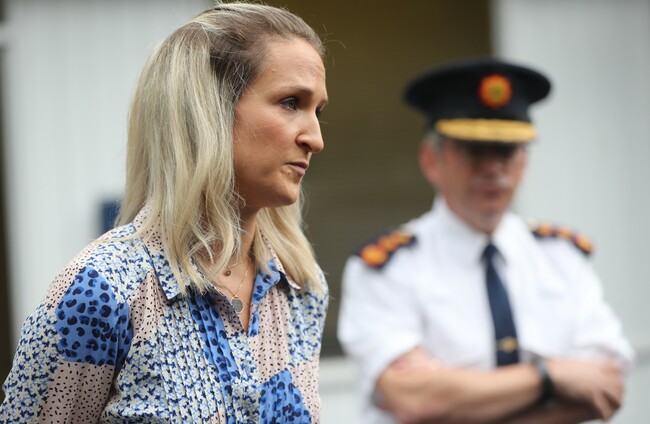
THE WAY HAS been cleared for the drafting of new legislation which will see a major revamp of national security and policing.
Proposals were accepted by Cabinet today for the Policing, Security and Community Safety Bill. The new laws will see a massive rethink of the governance of An Garda Síochána among other initiatives.
According to sources the bill provides for the biggest reform of policing in a generation and is designed to improve the performance and accountability of the wider security ecosystem.
The new legislation will replace the Garda Síochána Act 2005. It is envisaged that by 2023 the legislation will be in place and the new laws will pave the way for the appointments of those involved in making it a reality.
The plan has been bourne out of recommendations from the Commission on the Future of Policing in Ireland (CoFPI) and is a key element of Minister Helen McEntee’s Justice Plan 2021.
There are various aspects under the umbrella category of “prevention of harm” and this includes State security and the protection of vulnerable people. The strategy is one of making public safety in policing as an “all Government” response.
Another key area of the bill is to strengthen and consolidate the independent external oversight of An Garda Síochána while also laying down statutory measures around garda internal governance and the position of the Garda Commissioner. A new body will oversee the work of the Commissioner.
There will also be more communication between the various Government departments and institutions to assist in public safety, particularly around mental health and addiction problems as well as other social issues.
In the community there are plans to introduce Community Safety Partnerships. These groups will replace the existing Joint Policing Committees and will have appointments from across society, not just from local politicians.
Three pilot projects will run for the next three years in Dublin’s North Inner City, Waterford and Longford. These locations will feed into the drafting of the Bill and will test the proposal in realtime.
Plans have been unveiled for a major revamp of the Garda Síochána Ombudsman Commission (GSOC) which will be able to investigate garda staff, previously known as unsworn civilians.
There will also be scope for overhauling its investigative procedures with an emphasis on the rapid resolution of complaints
The Government plans to replace the three member commission and the garda watchdog will have a clearly, publicly identifiable, leader. There will also be a dedicated budget for GSOC and the appointment of an operation’s officer to free up senior members for investigations.
Finally the new legislation will deal with the oversight of national security with the formation of the Independent Examiner of Security Legislation.
The work of the independent Examiner, who is likely to be a judge or a senior lawyer, will provide an oversight of the broader security services.

To embed this post, copy the code below on your site














have your say