Sign in. It’s quick, free and it’s up to you.
An account is an optional way to support the work we do. Find out more.
Sign in. It’s quick, free and it’s up to you.
An account is an optional way to support the work we do. Find out more.
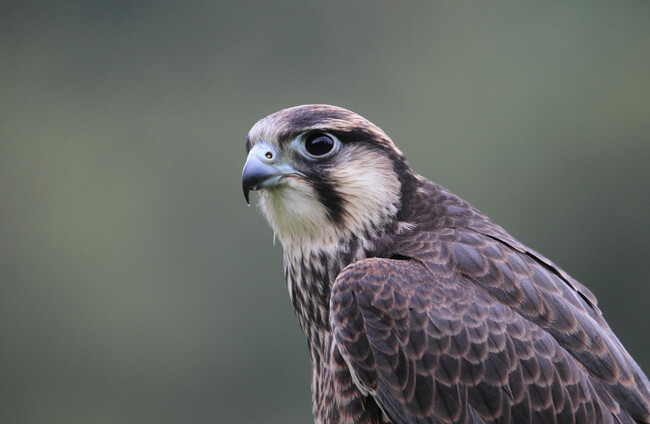
AVIAN INFLUENZA (HPAI) has been detected in a wild bird found in Galway, the Department of Agriculture, Food and Marine has confirmed.
The HPAI finding was made in samples taken from a peregrine falcon which was found in the Oranmore area.
The animal was submitted to Limerick Regional Veterinary Laboratory as part of the Department’s wild bird AI surveillance programme.
“Highly pathogenic H5N1 has been confirmed in wild birds, poultry and captive birds in Great Britain, Italy, Germany, the Netherlands, Estonia, Poland and Denmark since mid-October.
“We are currently in the high-risk period (October to April) for introduction of HPAI into Ireland from migratory wild birds returning to overwinter from areas where HPAI is widespread. Wild birds act as main reservoirs of avian influenza viruses,” a Department spokesperson said.
Officials said they are in contact with “industry stakeholders” and has issued a warning that strict decontamination measures are reiterates that strict bio-security measures are necessary to prevent the introduction of avian influenza into poultry and captive bird flocks.
They have also asked flock owners to remain vigilant for any signs of disease in their birds and to report any problems to the Department.
The spokesperson said that the likelihood of human infection is low.
“The Health Protection Surveillance Centre has confirmed that although the HPAI H5N1 subtype can cause serious disease in poultry and other birds, human infection is extremely rare and no human infections with this virus have been reported in Europe this year.
“Properly cooked poultry and poultry products, including eggs are safe to eat,” the spokesperson added.

To embed this post, copy the code below on your site













have your say