Sign in. It’s quick, free and it’s up to you.
An account is an optional way to support the work we do. Find out more.
Sign in. It’s quick, free and it’s up to you.
An account is an optional way to support the work we do. Find out more.

In Calling 353, bestselling Motherfoclóir author and podcaster Darach Ó Séaghdha casts a linguistic eye on how we talk about what it means to be Irish, the signs we post to each other about Irishness – and what really lies beneath it all.
SPOOKY SEASON IS in full swing, and it’s a fine time to celebrate Ireland’s contribution to stories of the supernatural, be they literature or folklore.
There are classic horror writers of the past like Bram Stoker and Sheridan Le Fanu, and there are brilliant authors currently at work creating ghostly tales such as Deirdre Sullivan and Róisín Lanigan. There’s even a haunted shopping centre in Laois.
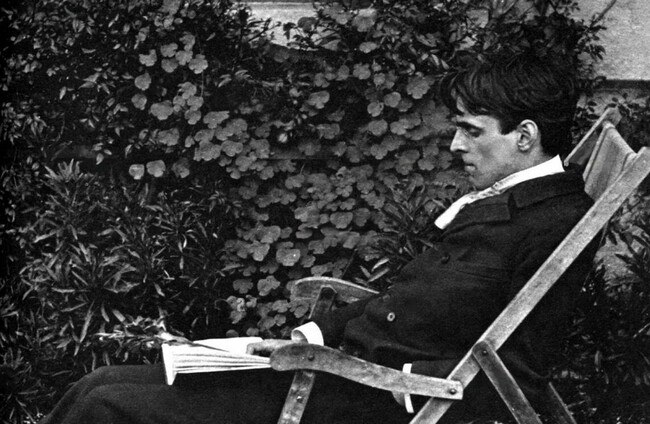
But one name in particular strikes terror even in the stoutest hearts in the land. William Butler Yeats. Three words, one name, no escape.
How did the late senator get away with antics which have left generations of Irish schoolchildren in various states of shock, bemusement and revulsion? You might argue that a man should not be judged on once-off incidents in his private life that were not illegal, especially if he was a literary genius. But proposing to the daughter of a woman you proposed to in the previous 12 months is very weird. Most people never. If there were extenuating circumstances, they must have been supernatural.
Which leads us to a seasonal question: was Yeats a vampire? Let us look at the evidence in his own writing and see what we might conclude.
1. He Wishes His Beloved Were Dead (1898)
Most women would be thrilled to have a poem written about them, it’s such a thoughtful and romantic gesture. But this one? In this poem from his collection “The Wind among the Reeds”, alongside his better-known poem wishing for the cloths of heaven, Yeats imagines his lover as a corpse:
And I would lay my head on your breast;
And you would murmur tender words,
Forgiving me, because you were dead.
Notice here how the corpse is talking and Yeats is in love with it. Vampire.
2. Blood and the Moon (1927)
In this poem, Yeats declares “Odour of blood on the ancestral stair!” and follows up with,
And we that have shed none must gather there
And clamour in drunken frenzy for the moon.
If I told you someone was excitedly getting drunk on blood in the moonlight you would probably guess they were a vampire without demanding to see further evidence. But why stop now?
3. Oil and Blood (1933)
This is a short poem in which Yeats contrasts the golden tombs of holy men with the vampires – his mates – lying deeper beneath the surface:
But under heavy loads of trampled clay
Lie bodies of the vampires full of blood;
Their shrouds are bloody and their lips are wet.
He could have described these vampires in all sorts of ways but he sensually focuses on those wet lips. It’s like he relates to them.
4. Among School Children (1928)
This poem is better known than the others I have mentioned as it was included in Soundings, the Leaving Cert poetry textbook assembled and edited by another Seanad member, Gus Martin. Here, Yeats describes himself “a sixty-year-old smiling public man” being shown around a school where he sees a schoolgirl who is the absolute spitting image of Maud Gonne, a woman who had a very interesting life in her own right but good luck if you can ever find an article about her which doesn’t mention her Yeats infection.
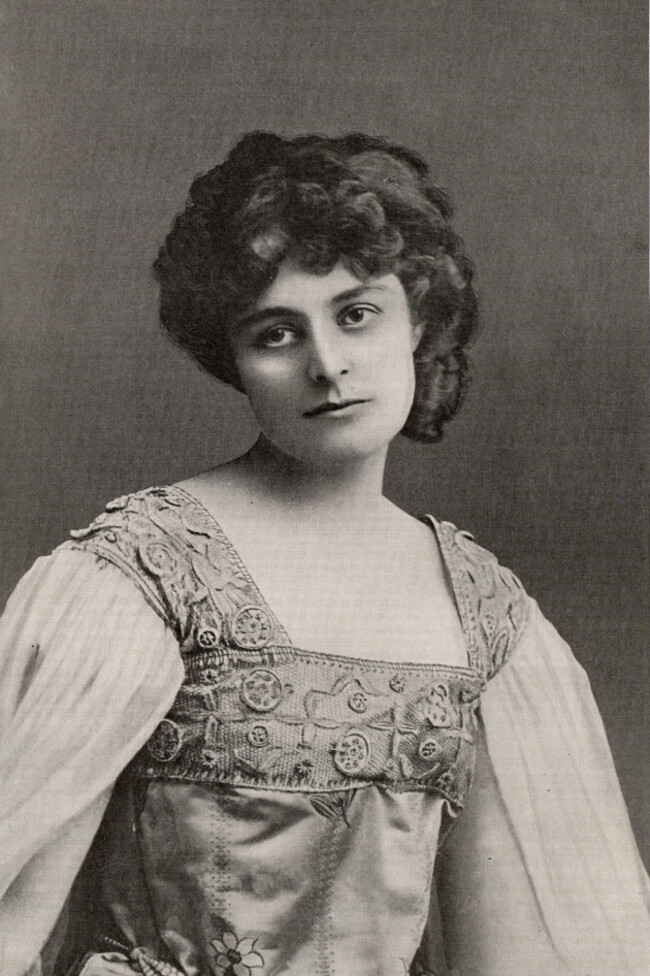
Anyway, the sight of the girl sends Yeats into a reverie where he reflects upon eternal souls with a love greater than the distractions of the human bodies they temporarily inhabit:
O chestnut tree, great rooted blossomer,
Are you the leaf, the blossom or the bole?
This is not unlike the way cinematic vampires like Gary Oldman in Dracula and Robert Pattinson in Twilight fall in love.
5. Two funerals
Most people have one funeral, but Yeats has had two so far and we can’t rule a third out. As he died before the outbreak of World War II, he had one burial in France and his remains were repatriated to Ireland after the war was over. Still, though: two funerals. Not normal.
6. Three Songs To The Same Tune
Yeats thought that the Blueshirts (we’re talking about the actual Blueshirt fascist movement here, not the nickname for modern-day Fine Gael) were a great bunch of lads and wrote some marching band lyrics for their activities, such as Three Songs To The Same Tune. Some would say that being a fascist sympathiser is worse than being a vampire, because vampires can’t actually hurt you if they don’t exist. So I’ll leave this here for now (Yeats rejected and distanced himself from the Blueshirts in 1934).
7. The Lost Boys
Roy Foster, in Volume 1 of WB Yeats: A Life, remarks that Bram Stoker and Yeats were part of an Irish Protestant scene in the late 19th century who turned to the occult to deal with their increasing marginalisation: the occult appealed to both their fear of a Catholic threat, as well as indulging a fantasy of control.
The process of villains in scary stories being reinvented as antiheroes in declining empires (such as we have seen in Hollywood with Hannibal Lecter, The Joker and the Terminator, as well as vampires in general) has given psychologists plenty to chew on – the idea of a fear being a wish goes right back to Freud.
If I have failed to convince you, dear reader, that William Butler Yeats was/is a vampire, perhaps you will meet me in the middle and agree that this poet has a vast treasury of work, with maybe less than one per cent of it known to the general reading public. You might also agree that Yeats has a lot of material suitable for getting in the spooky mood this October.
Darach will be back next Sunday with more thoughts on the words and Irish cultural phenomena that unite us.
To embed this post, copy the code below on your site












have your say