Sign in. It’s quick, free and it’s up to you.
An account is an optional way to support the work we do. Find out more.
Sign in. It’s quick, free and it’s up to you.
An account is an optional way to support the work we do. Find out more.
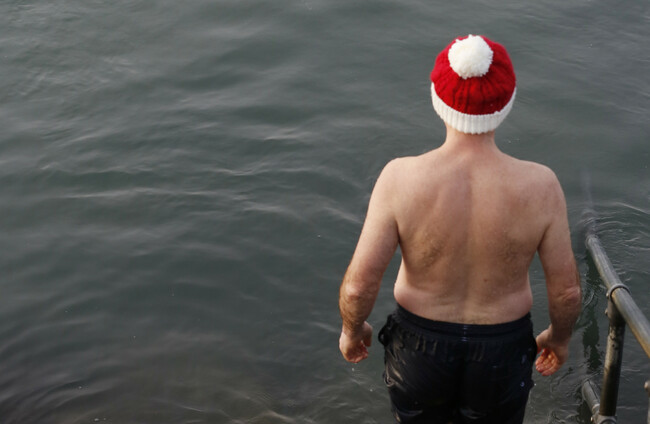
SWIMMING IS A tradition for many at Christmas, whether it’s part of a charity dip or just something done with friends and family.
Annual trips to the sea are becoming increasingly popular on 25 December, and thousands of people across the country are likely to plunge into the chilly waters around Ireland today.
But just because more people are taking part every year, that doesn’t mean it’s as straightforward as lashing on your togs and getting in the sea.
It can be hard to remember when you’re in the midst of festive cheer, but there are a number of things you should know first if you’re planning on taking part in a swim this Christmas Day.
As ever, Water Safety Ireland is urging people not to take any chances in the water and that you know what to do in the event of an emergency.
The charity is warning that the recent cold snap means there are extra risks to consider for those partaking in sea swims this year, with cold water immersion and hypothermia able to overwhelm even the fittest of swimmers.
Usually, temperatures in Irish waters are about 11 degrees Celsius in seas around the nation’s coast and just 5 degrees in fresh water at this time of year.
That means your muscles can cool down faster than they would when temperatures are a bit warmer in the summer, which in turn can lead to increased heart rate, dizziness, cramp and panic.
Water Safety Ireland suggests that in order to help yourself acclimatise to these temperatures, splash some cold water on your neck and face before getting in the water.
The charity also says that it’s very important to acclimatise to the water by entering slowly and allowing your body to get used to the cold over time.
And when you’re getting out of the water, it’s suggested that you warm up afterwards by putting on dry clothes quickly and wearing a warm hat as soon as you get out.
Be advised that entry and exit points may be difficult in cold conditions, so make sure you walk slowly to avoid slipping.
Other important pointers include:
RNLI Water Safety Delivery Support Lisa Hollingum added that cold water shock is a real possibility for those who go winter swimming and dipping.
“Acclimatise before getting in, don’t stay in long and warm up as soon as you get out of the water. Look out for one another,” she said.
Irish Coast Guard Head of Operations Gerard O’Flynn added that although many people are looking forward to engaging in open water swimming or quick dips today, caution is advised.
“Please attend to your personal safety by carefully planning your intended activity,” he said.

To embed this post, copy the code below on your site














have your say