Sign in. It’s quick, free and it’s up to you.
An account is an optional way to support the work we do. Find out more.
Sign in. It’s quick, free and it’s up to you.
An account is an optional way to support the work we do. Find out more.
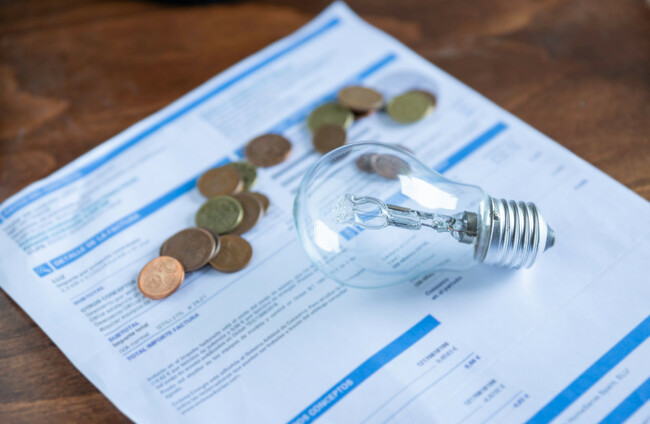
THE PRICE OF wholesale electricity is now 10.4% higher than it was a year ago, according to the Central Statistics Office (CSO).
New figures from the CSO show there was an increase in the price of wholesale electricity in December, with prices 93.2% higher than November.
The price of electricity in December 2022 was 10.4% higher than December 2021.
Despite this rise in prices, it appears electricity price inflation has eased somewhat in recent months.
For example, the price of wholesale electricity in July 2022 was 86.3% higher than in July 2021.
The CSO figures also show that domestic producer prices for manufactured goods were on average 8.9% higher in December 2022 compared with a year earlier.
Producer prices for food products rose by 10.4% in the 12 months to December 2022.
Some of the most notable changes in producer prices for food products over the 12 months to December 2022 were: Dairy Products (+39.5%), Fruit & Vegetables (+19.1%), Grain Milling, Starches & Animal Feeds (+14.6%) and Fish & Fish Products (+13.7%).
Ongoing issues
The CSO figures come after Environment Minister Eamon Ryan last month estimated that the price of electricity and gas will remain at a “historical high” for the next two years due to the ongoing war in Ukraine.
The Green Party leader said that due to the reduced supply of Russian gas entering Europe, the price of gas will remain expensive and will continue to have a knock on effect on the price of electricity.
Speaking to reporters, Ryan said that it was currently difficult to predict the price of oil due to the number of variables, including sanctions against Russia as well as the dollar/euro exchange rate.
“I think the gas one is probably more predictable unfortunately, because it’s still to stay high. It is by any comparison historical high,” Ryan said.
He said that the biggest energy challenge that Europe faces into the next year is around how countries refill their gas storage without Russian gas.
Russian energy giant Gazprom has, on multiple occasions, reduced gas supplies to Europe, with gas supplies to Germany being entirely cut off by Russia in September.
“The biggest energy challenge facing us this year and the following spring, is how we refill our gas storage without Russian gas and that’s likely to be difficult, and it’s likely to keep prices high.
“So unfortunately for the next two years, it’s likely because unless this war ends, that shortage of Russian gas, providing historically about 40% of European needs down to about 10% at the moment, that gap is not easy to close.”
With reporting by Tadgh McNally

To embed this post, copy the code below on your site















have your say