Sign in. It’s quick, free and it’s up to you.
An account is an optional way to support the work we do. Find out more.
Sign in. It’s quick, free and it’s up to you.
An account is an optional way to support the work we do. Find out more.
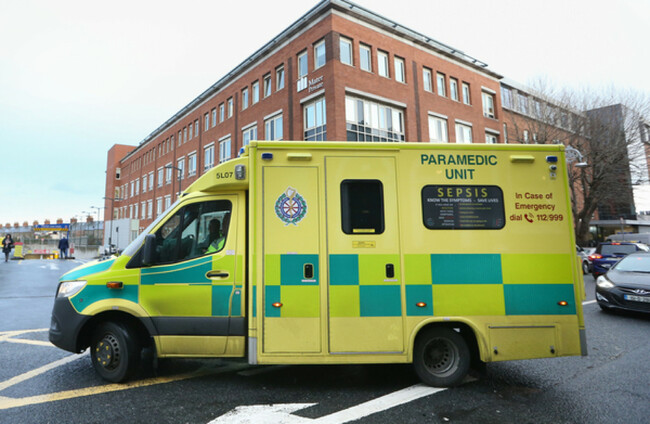
THERE IS AN increasing demand for ambulances in Dublin that is currently outstripping existing capacity, TDs will hear tomorrow.
The Oireachtas Health Committee will hear from both the HSE, who operate the National Ambulance Service (NAS) and Dublin Fire Brigade (DFB), who operate services in Dublin.
DFB are due to tell TDs and Senators that it “remains very challenging” to provide ambulance services in the capital at present, particularly due to an increased demand.
In their opening statement to the Committee, DFB will outline that current demand is “far in excess” of their existing capacity to meet their Hiqa performance standards.
Chief Fire Officer Dennis Keeley is due to outline that there has been a 30% increase in demand for ambulances since 2017, with 148,974 incidents recorded in 2022.
A HSE briefing note sent to the committee says that the current scale and growth of demand for ambulance services is “unprecedented” and that current efforts to recruit additional staff to the NAS is being outpaced by this demand.
Keeley will also tell the committee that queuing is now “systemic” within Dublin’s ambulance system, where ambulances or fire engines are not immediately available to respond to incidents.
“When a resource is not available, an incident is placed on a queue until a resource becomes available to respond. Queuing of incidents is now systemic with over 80% of incidents placed on the queue during peak hours,” Keeley will tell TDs.
In particular, DFB will raise concerns at the increased prevalence of queuing for so-called ‘Delta’ incidents, which are deemed to be people who are in life threatening conditions
Currently, peak hours stretch between 9am and midnight.
Over November and December last year, DFB recorded the highest number of incidents that were placed on a queue.
The fire service will also outline that there are “high levels” of contact between DFB and the NAS on a daily basis, but that most of the time assistance is unable to be provided.
According to Keeley, DFB requested assistance from NAS on over 63,000 occasions.
However, they were unable to provide resources for 76% of these requests.
“These figures suggest the combined resources of NAS and DFB cannot meet current ambulance demand in Dublin City and County,” Keeley will say.

To embed this post, copy the code below on your site












have your say