Sign in. It’s quick, free and it’s up to you.
An account is an optional way to support the work we do. Find out more.
Sign in. It’s quick, free and it’s up to you.
An account is an optional way to support the work we do. Find out more.
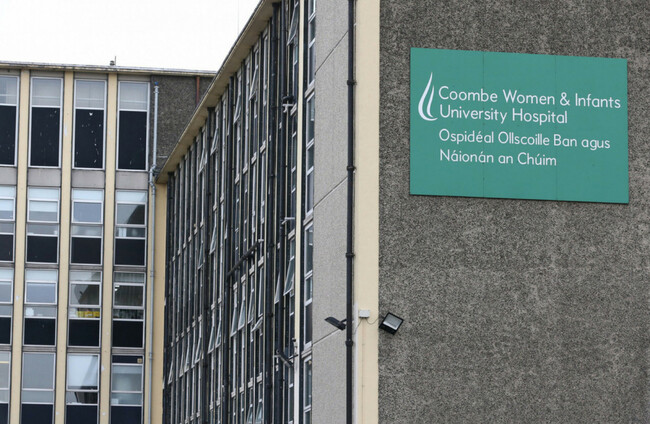
THE SCREENING OF CervicalCheck samples at the lab in Coombe Hospital over six months on from a “pause” in operations, that was caused by accreditation issues.
The National Screening Laboratory resumed its processing of CervicalCheck samples today.
The Coombe Hospital Master, Professor Michael O’Connell welcomed the resumption of services.
He said: “Women in Ireland can be assured of the quality they are receiving from the National Cervical Screening Laboratory at The Coombe Hospital.”
The Chief Executive of the National Screening Service, Fiona Murphy, said that with the resumption of services, the lab can now begin building its volumes back up towards its target of processing “10% of all CervicalCheck programme slides.”
While CervicalCheck processes were paused at the lab, all samples collected in Ireland were being processed in labs operated by Quest Diagnostics Inc in the US.
Campaigner Vicky Phelan, who died last year with cervical cancer, strongly advocated for CervicalCheck samples being processed in Ireland, rather than abroad.
The Journal reported that staff working in women’s health services were told that the delay in resuming processes was in part due to staffing difficulties.
In September, the HSE said that staffing in the Irish lab was now at the appropriate level “for the number of samples expected to be processed when the laboratory resumes work upon reaccreditation”.
It added that the recruitment staff from administration assistants to histopathologists, “is a priority.”
In September, the HSE said the delay in reaccreditation was ongoing because outstanding documents were being filed.
Recruitment of key staff will be needed for the lab to achieve the goal of processing 10% of all CervicalCheck samples.
CervicalCheck is Ireland’s screening programme to prevent cervical cancer.
It provides free screenings to women and people with a cervix between the ages of 25 and 65.
Cervical screening tests for a virus called human papillomavirus. In high risk cases, this virus can cause cervical cells to become abnormal.

To embed this post, copy the code below on your site















have your say