Sign in. It’s quick, free and it’s up to you.
An account is an optional way to support the work we do. Find out more.
Sign in. It’s quick, free and it’s up to you.
An account is an optional way to support the work we do. Find out more.
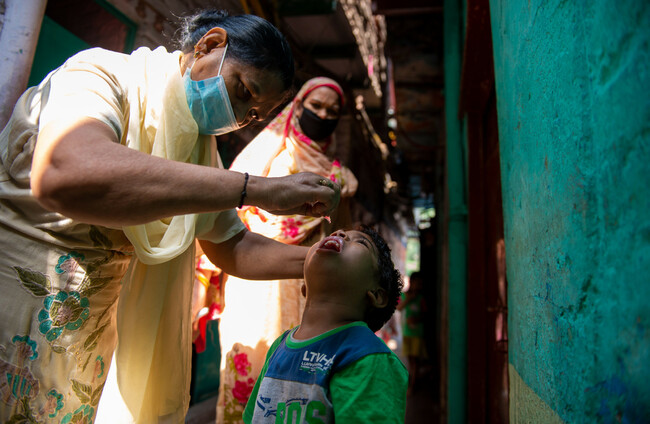
“MISINFORMATION” is among the issues causing an increase in vaccine preventable disease outbreaks and threatens to undermine years of progress.
That was the warning delivered today by the World Health Organisation (WHO) and UNICEF.
It also pointed to humanitarian crises and funding cuts as jeopardising progress and leaving millions of children, teenagers, and adults at risk.
Outbreaks of vaccine-preventable diseases such as measles, meningitis, and yellow fever are rising globally.
Measles, for example, is making an “especially dangerous comeback,” with cases rising every year since 2021 and reaching an estimated 10.3 million in 2023, which is a 20% increase since 2022.
It’s been warned that this upward trend likely continued into 2024 and 2025, as outbreaks have intensified around the world.
In the past 12 months, 138 countries have reported measles cases, with 61 experiencing large or disruptive outbreaks — the highest number observed in any 12-month period since 2019.
Meanwhile, diseases like diphtheria, which have long been held at bay or virtually eradicated in many countries, are at risk of re-emerging.
Bodies such as WHO and UNICEF are calling for urgent and sustained investment to strengthen immunization programmes and “protect significant progress achieved in reducing child mortality over the past 50 years”.
The number of children missing routine vaccinations has been increasing in recent years.
In 2023, an estimated 14.5 million children missed all of their routine vaccine doses – up from 13.9 million in 2022 and 12.9 million in 2019.
Over half of these children live in countries facing conflict, fragility, or instability, where access to basic health services is often disrupted.
“Vaccines have saved more than 150 million lives over the past five decades,” said WHO Director-General, Dr Tedros Adhanom Ghebreyesus.
“Funding cuts to global health have put these hard-won gains in jeopardy. Outbreaks of vaccine-preventable diseases are increasing around the world, putting lives at risk and exposing countries to increased costs in treating diseases and responding to outbreaks.”
Elsewhere, UNICEF Executive Director Catherine Russell said that the global funding crisis is “severely limiting our ability to vaccinate over 15 million vulnerable children in fragile and conflict-affected countries against measles”.
“Immunization services, disease surveillance, and the outbreak response in nearly 50 countries are already being disrupted – with setbacks at a similar level to what we saw during COVID-19,” warned Russell.
“We cannot afford to lose ground in the fight against preventable diseases.”
UNICEF and WHO has issued an “urgent call” for parents, the public, and politicians to “strengthen support for immunization”.
Have you seen fake stories about healthcare online recently? Our new FactCheck Knowledge Bank provides tools for spotting false news and finding good information.

To embed this post, copy the code below on your site













have your say