Sign in. It’s quick, free and it’s up to you.
An account is an optional way to support the work we do. Find out more.
Sign in. It’s quick, free and it’s up to you.
An account is an optional way to support the work we do. Find out more.
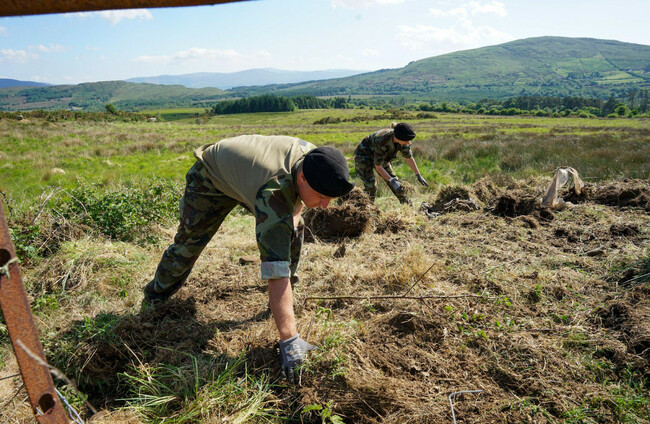
A SPECIALIST SEARCH team from the Irish Army has been called in to help gardaí hunt for clues in the Michael Gaine investigation.
The Engineer Specialist Search Team – drawn from the military’s One Brigade in Collins Barracks, Cork – are highly skilled soldiers with equipment and training in searching.
They arrived yesterday at the Gaine Farm outside Kenmare, near the picturesque tourist spot of Moll’s Gap in the foothills of Kerry’s McGillycuddy Reeks,
The move follows the grim discovery of human remains inside a slurry tank and in fields nearby after machinery was used to spread slurry from the tank across lands at the farm.
The military searchers are highly skilled in assessing clues by reading signals from the land, including evidence of disturbances, and have high-tech specialist equipment. The team and their equipment would generally be used in scenarios in areas like Lebanon, searching for unexploded ordnance and landmines.
A Defence Forces spokesperson confirmed that the team have been called in.
Sources have said that in this case their kit is much more “powerful and advanced” than Garda equipment and that is why they have been called in.
A major focus for garda investigators at the farm is inside the dangerous environments of the slurry tanks. To search them by hand gardaí or soldiers would have to wear specialist suits because of the toxicity.
The army has equipment that can be used to deal with this issue.
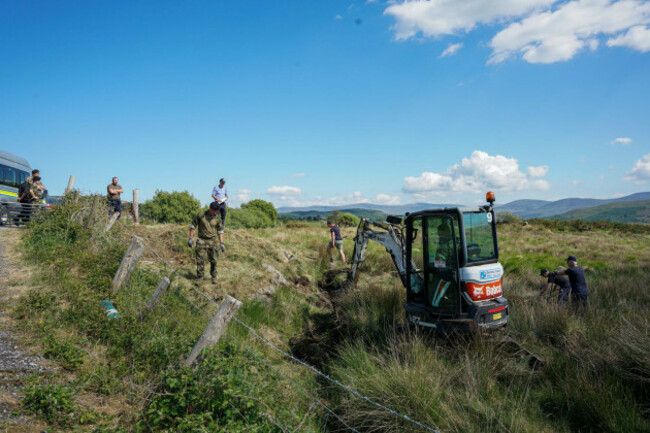
As this is an extremely hazardous environment, specialist equipment will be needed to search them. They are also helping to clear land using diggers so gardaí can examine soil.
Meanwhile interviewers from the National Bureau of Criminal Investigation have concluded their questioning of the suspect arrested by gardaí.
The Journal has learned that this man has been questioned repeatedly by gardaí in the six weeks after Michael Gaine disappeared in March. He was well known to the farmer.
Separately, gardaí have been examining a number of people who may have had disputes with the farmer in the months and years leading up to the homicide.
Sources said that a number of people were identified but that their main focus had been on the man questioned this week. Gardaí had taken a number of statements from the man and it’s understood the arrest and detention was about testing some of the gaps or contradictions in those statements.
Gardaí did not receive a direction to charge the man after the questioning and he was released.
Separately gardaí are also awaiting formal identification of the remains found on the farm over the weekend.
While there is generally a backlog and delay in processing of DNA samples it is believed that an effort to expedite the testing has been made.
It is understood, as of the weekend, that there was very little if any physical evidence that said Michael Gaine died violently. It is believed there was no forensic indications of a struggle at the farmyard or elsewhere.
Mysteriously, Gaine’s wallet and mobile phone had previously been found inside his jeep. He was also known to suffer with a medical condition that caused problems with him walking long distances.
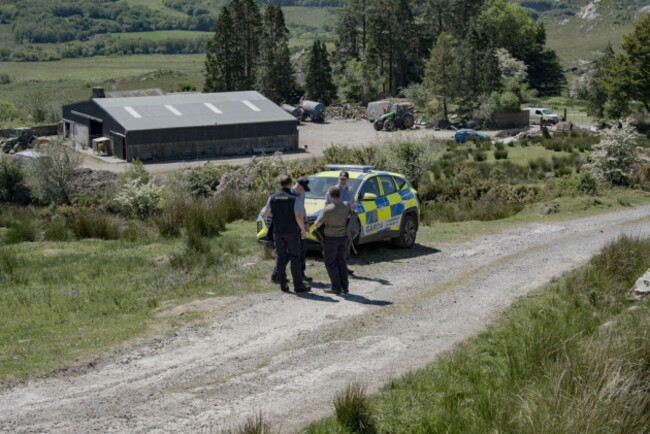
Investigators, sources said, believed that it was unlikely that Gaine had travelled any great distance away from the farm on foot and they believed from the outset that the answers to the mystery of what happened to him lay within the environs of the farm.
They pumped out and searched tanks and pits in the farm, carried out searches of farmland and also used military searchers to cover large swathes of land to rule out the possibility that Gaine had left on foot.
As reported yesterday, gardaí are also looking at open source satellite imagery which they will use to see changes in positioning of equipment over the last six weeks.

To embed this post, copy the code below on your site













have your say