Sign in. It’s quick, free and it’s up to you.
An account is an optional way to support the work we do. Find out more.
Sign in. It’s quick, free and it’s up to you.
An account is an optional way to support the work we do. Find out more.
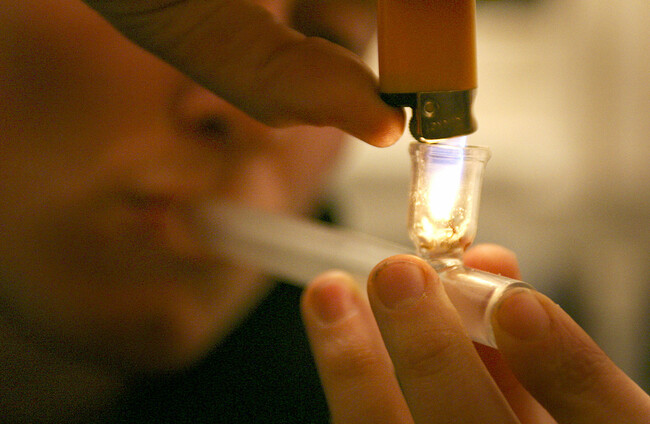
TREATMENT DEMAND FOR crack cocaine increased by 31% last year, according to the Health Research Board (HRB).
The HRB today released its annual report on drug treatment demand in Ireland and found that some 15,422 cases were treated for problem drug use last year.
Excluding alcohol, cocaine remains the most common drug treated, accounting for 42% of all drug treatment cases.
This is a 24% increase on 2024 and the highest number recorded to date.
Cocaine also remains the main problem drug for over half of cases who are new to treatment and accounted for more than one in three previously treated cases in 2025.
The HRB also found that treatment demand for powder cocaine increased by 21% last year, and for crack cocaine it increased by 31%.
Powder cocaine is typically snorted through the nose, while crack cocaine is almost exclusively smoked.
The HRB noted that the profiles of people seeking treatment for powder and crack cocaine differ.
Where powder cocaine was the main problem drug, more than one in five cases were female and close to 40% were employed, while the median age of those entering treatment was 32.
Where crack cocaine was the main problem drug, four in 10 were female and only 5% were employed, while the median age entering treatment was 40.
Since 2017, there has been a 336% increase in cases receiving treatment for cocaine as their main problem drug.
Over the same period, treatment demand for powder cocaine increased by 282%, while treatment demand for crack cocaine has increased by 906%.
Meanwhile, the number of females seeking treatment for cocaine has increased almost seven-fold from 284 cases in 2017 to 1,912 cases in 2025.
HRB chief executive Dr Gráinne Gorman said the report is a “further indication of the continued dominance of cocaine use in Irish society”.
She said the figures also point to “increased investment in publicly funded drug treatment services, meaning they are available to more people that are struggling with problem drug use”.
Elsewhere, Dr Anne Marie Carew, senior researcher at the HRB, noted that many of the findings from the 2025 report are similar to those of 2024.
She said there is a continued rise in demand for cocaine treatment but added: “We are seeing early signals of emerging drug trends, particularly for new psychoactive substances and ketamine”.
New psychoactive substances are sometimes referred to as “legal highs” and were available in “head shops” in Ireland.
Treatment demand for new psychoactive substances (NPS) rose 50% in 2025, an increase from 170 cases in 2024 to 256.
Synthetic cannabinoid type NPS drugs, including Hexahydrocannabinol (HHC), were reported most.
Meanwhile, treatment demand for ketamine has also continued to increase, with 334 cases of problem use reported last year, a 12-fold increase in cases recorded since 2017.
Some 130 drug treatment cases last year identified ketamine as their main problem drug, more than double the number that did in 2024.
Carew said that “while numbers are still small, these trends are important and will be closely monitored”.
She added that identifying emerging trends “demonstrates the sensitivity of the data we collect in the HRB and its importance for policymakers and service planners to understand and effectively treat the changing face of problem drug use in Irish society”.
Elsewhere, opioids (mainly heroin) were the second most commonly reported main problem drug people sought treatment for.
The third most common was cannabis, which is similar to previous years.
A small number of cases also commenced treatment last year for problem use of nitrous oxide, with over half of these cases aged 17 or under.
The HRB also found that the drug treatment population continues to age and that this will have “important implications for service provision”.
In 2025, the median age for those entering treatment was 35.
Cannabis was the main problem drug for cases aged 19 or under, while cocaine was the main problem drug for cases aged 20-44.
Opioids were the main problem drugs for cases aged 45 years or over, which the HRB said highlights the aging cohort of opioid users continuing to require treatment.
The HRB added that social disadvantage remains a “persistent feature of treatment demand”, with a substantial proportion of cases experiencing unemployment and homelessness.
More than one in ten (12%) were homeless and nearly six in 10 (59%) were unemployed.
The HRB noted that these proportions were affected by the inclusion of prison-based treatment cases, which are recorded as “unable to work”.
Around one in five (21%) of treatment cases were in paid employment.
The HRB noted that a “case” refers to a treatment episode and not one person, which means the same person could be counted more than once in a calendar year.
Elsewhere, the HRB said polydrug use remains common, with almost two thirds of cases reporting the use of more than one substance.
Cannabis, cocaine, alcohol and benzodiazepines were the most frequently reported additional drugs.

To embed this post, copy the code below on your site
















have your say