We need your help now

Support from readers like you keeps The Journal open.

You are visiting us because we have something you value. Independent, unbiased news that tells the truth. Advertising revenue goes some way to support our mission, but this year it has not been enough.

If you've seen value in our reporting, please contribute what you can, so we can continue to produce accurate and meaningful journalism. For everyone who needs it.

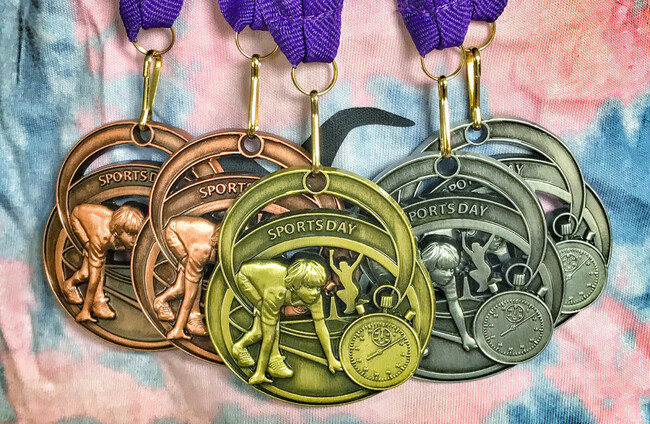
Raising them right Sport participation medals used to drive me mad until I became a parent

Niamh O’Reilly says the idea of everyone getting a medal for showing up seemed like a waste of time, but at this stage, anything to keep kids from screens is welcome.

LIKE MANY PARENTS of primary school-going-age children, I’m bracing myself for the glut of end-of-school-year events that will pass by at lightning speed over the next couple of weeks.

One of those annual rites of passage is sports day, plus plenty of other end-of-year sports competitions, and with them comes the rise of the participation medal.

Essentially, it’s an award for showing up and taking part, not for winning.

When I was a child, I used to loathe these types of awards. Granted, they were a rarity, but they existed in certain sports. I can distinctly remember getting one of these ‘special awards’ and hating it.

I hadn’t earned it, and it felt like a meaningless consolation prize, a patronising pat on the head. It held no value, other than to remind me that I had not made the cut this time.

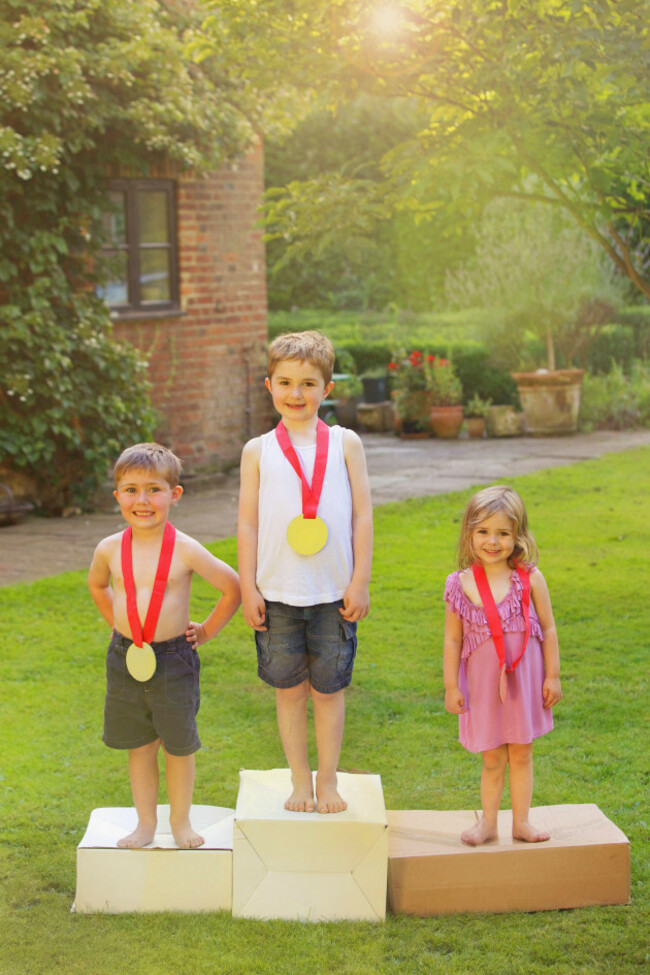
children-standing-on-cardboard-podium-with-medals Alamy Stock Photo Alamy Stock Photo

I played lots of different sports as a child and always wanted to place, but not making it into the ribbons wasn’t the end of the world either. It was disappointing, and sometimes it stung, but it wasn’t treated as a total disaster that had to be immediately fixed with a made-up consolation prize to stop me from having to feel the bitter burn of a loss.

It taught me that sometimes things just didn’t go my way and that was okay. There were also times when I needed to try harder, or maybe that particular sport just wasn’t for me, but there was another sport out there with my name on it.

The valuable sting of losing

The truth is that no one wins ‘em all. Not even those at the very highest level, even the Katie Taylors, the Rory McIlroys or the Rhasidat Adelekes. Each has had to deal with losses at some point, and dealing with that is a critical part of how we build up resilience.

Even at home, away from the sports fields, as tempting as it is to let our kids win every board game at the kitchen table or every game of football in the back garden, as a parent you don’t, because you know deep down that shielding them from every potential loss or failure, even at a young age, and choosing to hand out participation medals to beat the band instead, you are doing them a disservice.

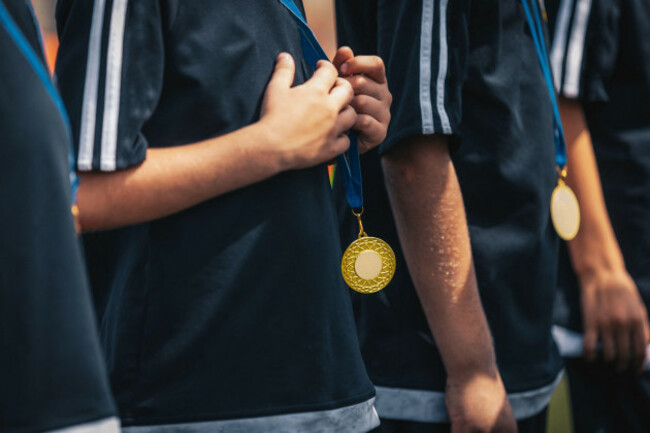
sports-kids-players-with-golden-medals-standing-in-a-row-during-celebration-medals-hanging-around-young-sport-players-necks Alamy Stock Photo Alamy Stock Photo

I’m not saying we should crush them into defeat at every turn, but there’s got to be a balance. Otherwise, we risk setting them up for one hell of a shock when they enter the world as grown-ups without the tools to pick themselves up after a setback and move on, because they are so used to being awarded or winning all the time.

With that mindset also comes the potential for unchecked entitlement.

Just look at Donald Trump. Who among us didn’t cop a laugh and roll their eyes when the American president accepted the entirely made-up FIFA Peace Award earlier this year, which was created solely to appease a fragile, orange-hued ego. One, which you’d suspect has rarely been told ‘no’ or learned how to accept failures, despite having many of them along the way.

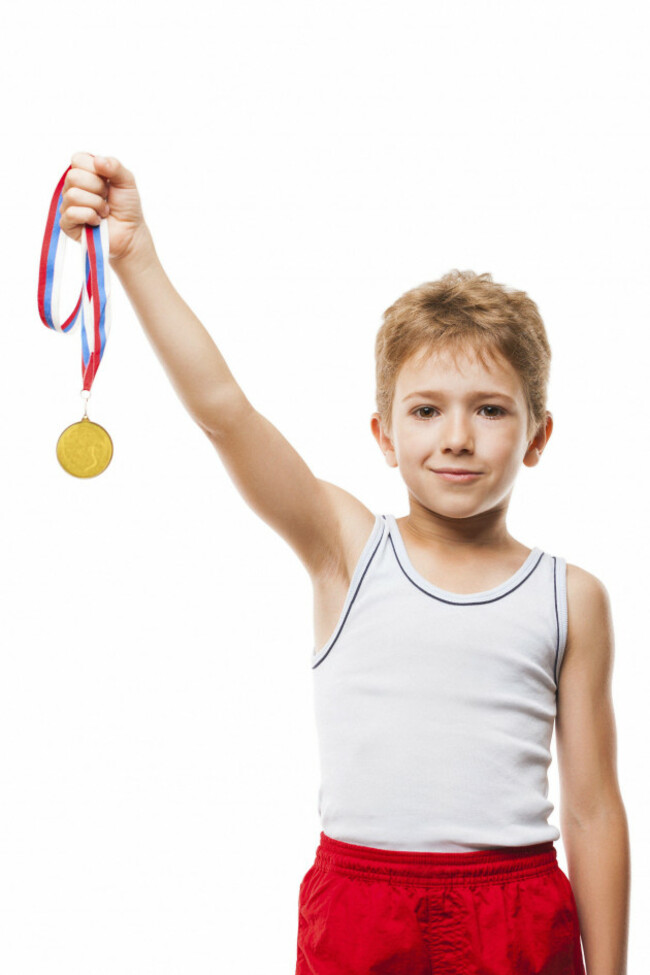
sport-success-and-win-concept-smiling-athlete-champion-child-boy-hand-holding-first-place-victory-gold-medal-award Alamy Stock Photo Alamy Stock Photo

As hard as it can be to deal with a loss or failure, I’ve always maintained that participation medals do more harm than good in the long run. That was, of course, before I became a mum. In the same way parenthood tends to alter so many of our long-held beliefs, having children of my own has given me a different perspective. When done right and with a bit of balance, I’ve seen the positive power of participation medals or awards.

Ah, go on, give them a medal

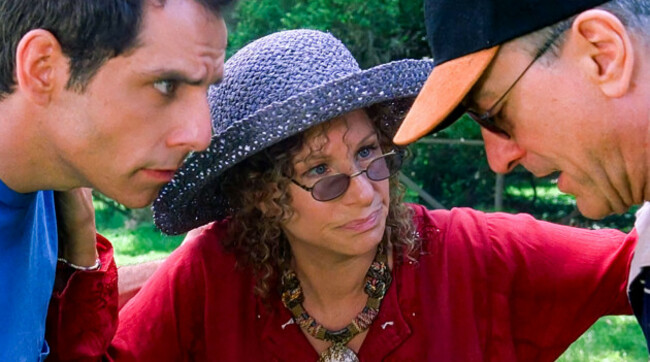
I’m not saying we all need to go home and erect a Meet The Fockers (2004) style ‘Wall of Gaylord’ which saw Dustin Hoffman and Barbra Streisand’s characters Ben and Roz delight in their son Gaylord Focker’s (Ben Stiller) many participation awards, but celebrating your children for taking part and having fun is important if we want them to stick with sports long term and reap all the positives for their health and wellbeing. And that’s the big takeaway we often miss in all of this.

usa-robert-de-niro-ben-stiller-and-barbra-streisand-in-a-scene-from-cuniversal-pictures-film-meet-the-fockers-2004-plot-all-hell-breaks-loose-when-the-byrnes-family-meets-the-focker-family Meet the Fockers Alamy Stock Photo Alamy Stock Photo

Sport is massively beneficial to our physical and mental health. With our children living in a world increasingly dominated by screen and smart device use, along with a reported rise in their anxiety, keeping them interested in sports and activities is a key part of the solution.

But we also know that, according to research, as many as one in five children stop participating in sport at the transition from primary to secondary school.

There are many reasons for the drop-off during the teenage years: the pull of different interests, what their peers are doing or the fact that many team sports become more competitive after the age of 12 or 13.

Allianz Ireland / YouTube

Winning often becomes the focus, rather than just getting stuck in for the enjoyment and a bit of fun. If you’re not deemed good enough, you can find yourself on the bench, and that can grind anyone down and make them turn away from sport for good.

Giving every child a medal just for showing up might not solve the shocking drop-off rate by itself, but it could be a tool to keep them engaged long enough to stick with sport and gain the benefits that will stand to them for their whole lives.

There is something to be said for allowing more space and resources for less competitive sports and teams.

For better or worse, these participation awards have been legitimised and are here to stay. They have a value now, and kids no longer see them as some kind of hollow consolation prize, but rather as something to be treasured.

In the next couple of weeks, as parents like me watch our young children compete in sports days and receive participation awards, you’d have to be made of stone not to enjoy the delight in their faces and the pride they feel.

Maybe that’s not such a bad thing, especially if we still allow space for those children who do win to go on an archive at the highest level.

Niamh O’Reilly is a freelance journalist and parenting columnist for TheJournal.ie 

Readers like you are keeping these stories free for everyone...
A mix of advertising and supporting contributions helps keep paywalls away from valuable information like this article. Over 5,000 readers like you have already stepped up and support us with a monthly payment or a once-off donation.

Close
29 Comments
This is YOUR comments community. Stay civil, stay constructive, stay on topic. Please familiarise yourself with our comments policy here before taking part.
Leave a Comment
    Submit a report
    Please help us understand how this comment violates our community guidelines.
    Thank you for the feedback
    Your feedback has been sent to our team for review.

    Leave a commentcancel

     
    JournalTv
    News in 60 seconds