Sign in. It’s quick, free and it’s up to you.
An account is an optional way to support the work we do. Find out more.
Sign in. It’s quick, free and it’s up to you.
An account is an optional way to support the work we do. Find out more.
ASIDE FROM CRYPTOCURRENCIES, there are no plans to limit what funds may feature in the government’s flagship savings scheme.
This includes investment in funds linked to weapons companies or fossil fuels, according to the Department of Finance.
The State-backed personal investment scheme is expected to be up and running next year.
When contacted about whether there would be limits on the investing in the scheme, the department said that “eligible investments” will include listed shares, bonds and a range of investment funds.
The only limit so far is to exclude riskier options such as crypto assets, but aside from that there are no plans to exclude any funds.
“The department does not intend to apply additional restrictions for geography, industry or strategy to individuals’ investment choices,” a spokesperson told The Journal.
Broadly, the department hopes the new investment accounts will allow people to “diversify their portfolios across asset classes, issuers, manufacturers, geographies and risk profiles”.
Part of this idea is based around shifting people away from investing in housing as part of their retirement plan.
Michael Pidgeon, Green Party finance spokesperson, said it would be a “bizarre policy choice” if the scheme allows the “same tax break to investments in tobacco as to renewable energy”.
“Investors should be free to put their money where they want, but the state should be encouraging them to support sectors which actually improve society,” Podgeon said.
“That could mean reduced tax rates in certain areas, or measures to encourage investment here in Europe.”
The Dublin city councillor added that a precedent exists for this, citing how the state already makes gains from state savings tax free to makine investments more attractive in the likes of Irish social housing and infrastructure.
The full details of the account will be announced on budget day, 6 October, with legislation being worked on ahead of the accounts being offered next year.
Speaking to reporters at the Central Bank earlier this week, the Tánaiste said there is a “lack of an investment culture” in Ireland due to a lack of available products and a tax system that “has not worked” in people’s favour.
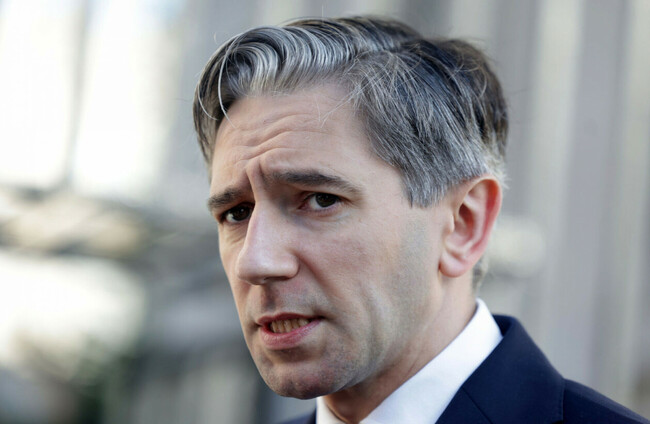
Details of what type of funds may feature in the scheme may be included in a ‘retail investment roadmap’ that Finance Minister Simon Harris has said will be published ahead of this year’s budget.
Ralph Benson of financial advisers Moneycube told The Journal that views around defence investing have “shifted massively” across the sector in recent years.
“The ethics of defence investing have changed,” Benson said, partly due to the Ukraine war and also to other moves to loosen Irish government involvement in armaments.
Where his clients previosuly “would have run a mile” from investing in weapons or defence, Benson said they are more open to it now.
“The three big no-nos always used to be armaments, tobacco and the sex industry, but people used to have an ethical badge for investing in tech companies. That has changed now too, partly due to the politics of some of tech companies,” Benson added.
Benson believes the selection of funds on offer for investment need to be “broad-based, including some general funds, some adventurous ones and some cautious ones”.
This is to allow inexperienced investors to spread risk by investing in a basket of stocks bundled together, rather than betting on individual shares, or riskier options, Bensen added.
“The accounts will probably still be limited, and I imagine banks will offer five or six funds, not 500 funds,” he said.
However, Benson said the question of the tax rate that will be applied to the savings scheme, and the amount that can be invested in an account, is key to knowing how whether it will be a success.
At present, the financial adviser added, it carries the risk of being a “damp squib” after the repeated promotion of the scheme this year. “We will have to see eaxctly what this will mean and how it will work out for clients,” he said.

To embed this post, copy the code below on your site













have your say