Sign in. It’s quick, free and it’s up to you.
An account is an optional way to support the work we do. Find out more.
Sign in. It’s quick, free and it’s up to you.
An account is an optional way to support the work we do. Find out more.
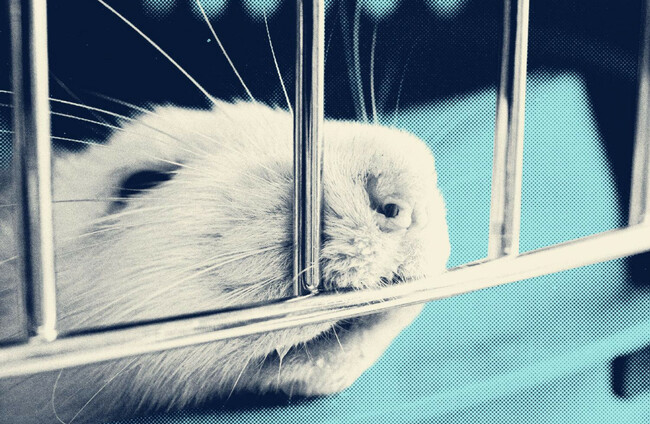
IRISH UNIVERSITIES HAVE outsourced animal testing to overseas labs beyond the oversight of Ireland’s regulator.
The universities have spent hundreds of thousands of euros in recent years on the animal experiments, and refused to release key documents to our journalists when we tried to uncover the full details of the tests.
Anti-vivisection campaigners have described the practices as “outsourcing cruelty beyond the EU” and called for institutions to be prevented from commissioning overseas experiments that would not be permitted under EU rules.
The University of Galway and RCSI University of Medicine and Health Sciences both acknowledged they have commissioned or paid for animal experiments outside the EU.
The Journal Investigates identified 17 studies for Irish universities that were conducted outside the EU between 2020 and 2026.
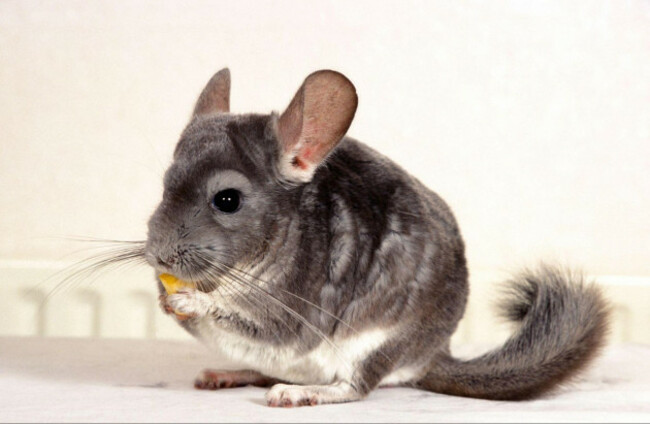
Linked to research into diabetes, cardiovascular disease, cancer and women’s health, the experiments involved pigs, sheep, rabbits, chinchillas, mice and rats. The studies were carried out at facilities in the United States (US), India and Malaysia.
In one outsourced study, carried out in the US, mice had folds of skin repeatedly compressed between magnets. In others, sheep had their ovaries removed, rabbits had veins in their eyes deliberately blocked and chinchillas had their eardrums perforated.
However, the Health Products Regulatory Authority (HPRA), which regulates animal research in Ireland, has no regulatory role over procedures carried out abroad.
It does not authorise the projects, inspect the overseas facilities or require Irish institutions to report the animals involved. Animals experimented on abroad are also not included in Ireland’s annual “animal use” statistics.
University of Galway and RCSI withheld records that The Journal Investigates requested revealing exact animal numbers, welfare outcomes and details of how some overseas facilities were assessed, citing exemptions under the Freedom of Information Act.
That’s despite financial records showing that some of these experiments received hundreds of thousands of euro from public funds, including grants awarded by State agency Enterprise Ireland.
That includes University of Galway who paid over €400,000 to overseas organisations involved in animal research.
Tender documents and published research link some of the projects to State funding, but the records released do not establish the funding sources for every study.
Researchers who spoke to The Journal Investigates said there can be legitimate scientific reasons for commissioning work overseas, including access to specialist expertise, equipment or animal models unavailable in Ireland or elsewhere in the EU.
The institutions involved said the studies were subject to appropriate ethical and regulatory safeguards.
Nothing in the records reviewed by The Journal Investigates showed that the overseas studies breached the animal welfare rules where they were carried out.
The available records do not establish whether equivalent studies would have been approved in Ireland.
We asked eight Irish universities known to be involved in animal research, as they have animal use ethics committees, whether they had commissioned or paid for animal experiments outside the EU.
Records were sought including the names and locations of contractors, payment records, contracts, ethics and governance approvals and declarations made to public funders.
Two of these institutions – the University of Galway and RCSI University of Medicine and Health Sciences – identified such overseas studies.
The University of Galway identified 12 overseas studies carried out between January 2020 and February 2026.
It initially identified nine before a further three were uncovered following an internal review.
A payment schedule subsequently released by the university showed €417,611 had been paid to seven overseas organisations involved in animal research during that time.
They included €102,174 to Presude Lifesciences in India; €100,093 to North Carolina based Powered Research; €89,313 to Pennsylvania-based Melior Discovery and €43,307 to North Dakota State University.
The university also paid organisations in Texas and Malaysia and for research at MIT, while a Belfast company received €36,074.
Galway withheld the precise MIT figure on commercial sensitivity grounds.
The university declined access to underlying contracts, purchase orders and records linking individual payments to particular studies.
Ethics and governance records and declarations concerning compliance with funder requirements were also withheld.
It did not subsequently provide The Journal Investigates with the final number and species used in each project, how many animals died unexpectedly or were euthanised early, or details of its monitoring of individual overseas facilities.
The university said animal research undertaken in Galway was regulated by and reported to the HPRA, while overseas collaborators reported to authorities in their respective jurisdictions.

Using procurement archives, overseas regulatory records and scientific papers, The Journal Investigates uncovered further details about some of the studies.
The University of Galway paid €89,313 to Melior Discovery for research linked to LILY, a consortium project involving the university and two private companies that received €2.17 million from Ireland’s Disruptive Technologies Innovation Fund.
That figure covered the wider project, not the Melior experiment alone.
The researchers said the study aimed to develop a model for testing the safety of compression therapies without causing pressure ulcers.
They removed hair from the backs of male mice before repeatedly compressing folds of skin between magnets.
Six developed mild reddening, while four later developed what researchers called “mild and undefined skin lesions/irritations”.
Three mice died during anaesthesia, which the study’s authors reported as “15% mortality”.
The Journal Investigates asked the University of Galway when it learned of the deaths, whether it reviewed them and whether the protocol or anaesthetic monitoring changed. Its response did not answer those specific questions.
The published paper identifies Melior Discovery in Pennsylvania as the facility that conducted the study. The records released to The Journal Investigates do not show what details of its protocol Galway reviewed beforehand.
In response, Galway said its overseas collaborations were established in accordance with legal, ethical and governance requirements, with oversight and approvals provided by authorities in the relevant jurisdictions.
Another University of Galway-backed experiment involved an “experimental intravaginal device” for women’s health at North Dakota State University (NDSU).
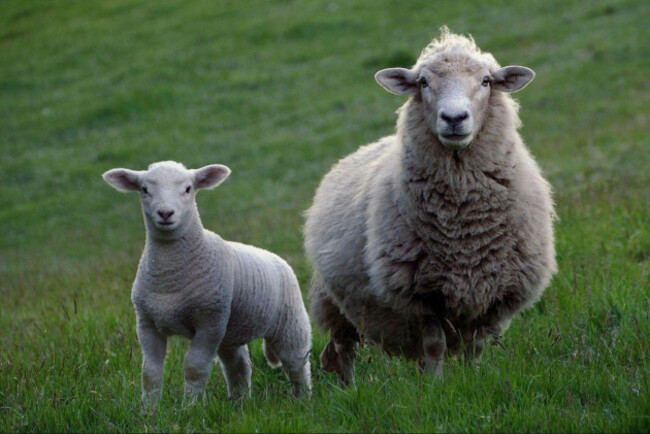
Procurement documents proposed a two-stage study involving up to 60 female sheep. During the first phase, 10 ewes were to have their ovaries surgically removed to induce menopause before later being euthanised for tissue collection.
Tender documents described this experiment, which is part of the wider AVeta Medical project, as funded by Enterprise Ireland.
The records do not show whether the agency was given the proposed sheep protocol or how much of its funding, if any, paid for this study.
In response to questions surrounding funding for overseas testing, Enterprise Ireland said it does not approve individual animal studies or welfare protocols, with responsibility for ethical and regulatory approval resting with the institution receiving its funding.
Two years before the project, the US Department of Agriculture’s (UDSA) animal welfare division cited NDSU over three violations – two classified as “critical” – associated with previous animal research.
It was after 11 lambs died more than 200 sheep were placed in a temporary holding pen at the facility. The government documents state the deaths were not reported to the university veterinarian for six weeks.
Two pigs also died of dehydration and another was euthanised after a water line serving 14 animals was left unrepaired.
These violations arose from earlier incidents at NDSU, not from the sheep study commissioned by Galway. NDSU introduced corrective measures, and a later inspection found no violations.
The Journal Investigates asked the University of Galway whether it knew of those past violations before selecting NDSU; the university’s response did not answer that question directly.
It said overseas collaborations complied with legal, ethical and governance requirements and were overseen by local authorities.
In 2023, the University of Galway awarded Powered Research in North Carolina a contract to test an experimental treatment for retinal vein occlusion and swelling at the back of the eye.
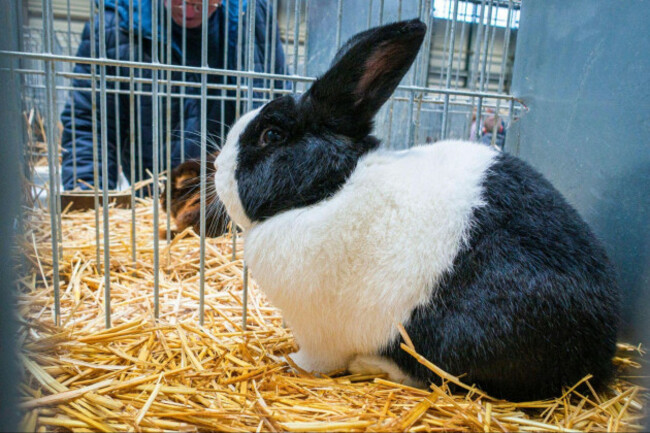
The documents proposed using up to 24 Dutch Belted rabbits in the tests which would involve a light sensitive dye and laser deliberately blocking veins in the animals’ eyes.
According to the tender, the rabbits would later be euthanised and their eyes removed for examination.
The Galway tender named Enterprise Ireland and Science Foundation Ireland (SFI), now part of Research Ireland, as funders of the research.
It did not specify how much either contributed to the rabbit study or whether either agency reviewed the proposed procedures.
In separate statements, Enterprise Ireland said it does not approve individual animal studies, while Research Ireland said SFI applicants must “justify” proposed animal study designs and numbers.
Neither response established what either agency reviewed in this case.
In July 2022, eight months before the University of Galway awarded the contract to the private lab, a USDA inspection found that Powered Research’s animal care committee had not been told about a rabbit euthanised for a broken back.
The committee had also not been told that unexpected adverse effects from new test articles had led to 12 rabbits being euthanised early after experiencing more pain and discomfort than anticipated.
The report said the rabbit’s injury had not been reviewed or investigated to determine its cause and how to prevent a recurrence.
The Journal Investigates asked the University of Galway whether it knew about these earlier USDA violations before selecting Powered Research. The university’s response did not answer that question directly.
In a general response, a university spokesperson said it ensured overseas collaborations were established “in accordance with legal, ethical and governance requirements”.
Dr Ngaire Dennison, chair of Ireland’s National Committee for the Protection of Animals Used for Scientific Purposes, an independent statutory body that advises the HPRA, said previous welfare violations should be taken seriously when assessing an overseas facility.
Institutions could ask about accommodation, enrichment, inspections and accreditation, she said, but assessing a facility remotely had limits:
“You can ask questions and do your best, but that’s not necessarily a guarantee.”
In a statement to The Journal Investigates, the university said animal research aimed to advance the treatment of disease and was undertaken only when alternatives had been exhausted, and a harm-benefit assessment was favourable.

In response to a FOI request, RCSI disclosed five animal studies conducted outside Ireland – two in the US and three in the UK.
However, information supplied did not include the number of animals involved, the species used in three projects, severity classifications or details of deaths and other adverse welfare outcomes.
Individual ethics approvals and records showing how RCSI assessed or monitored the overseas facilities were also not provided.
One study involved work carried out with the Medical College of Wisconsin in 2021.
Chinchillas had both eardrums deliberately perforated before an experimental repair was tested.
Records previously obtained by the Irish Anti-Vivisection Society show two chinchillas died during initial hearing tests, while others developed infections, head tilt and severe weight loss.
Other RCSI-commissioned projects involved research into pulmonary fibrosis, toxicity, colitis and colorectal cancer, while another involved spinal cord research at the Mayo Clinic.
In a statement, RCSI said animal studies were conducted only when they could advance knowledge likely to improve human or animal health and welfare.
Researchers were required to demonstrate that alternatives were unavailable.
For RCSI-led research in a third country, a spokesperson said its lead researcher must engage with its animal research ethics committee and provide assurances that appropriate ethical principles are followed.
Local approval must also obtained and the overseas organisation must have suitable experience and structures, the spokesperson added.
Researchers who spoke to The Journal Investigates stressed that commissioning animal research overseas does not in itself indicate an attempt to avoid stricter welfare rules.
Professor Emma Robinson, Professor of Psychopharmacology at the University of Bristol, said specialist expertise may simply not be available closer to home.
“Most often, it’s because the skills are not available within either the country or the EU,” she said.
Usually it will be to do with a very specific skill set or a very specific species.
Dennison, who is also a veterinary surgeon, similarly identified expertise, specialist equipment and international collaboration as reasons for outsourcing research. But cost can also play a role.
“Sometimes work is placed elsewhere because it’s cheaper,” she said. “Now, whether that’s ethically a good reason or not is a completely different question.”
Dennison said an institution commissioning overseas research should consider whether the experiment would be acceptable if conducted at home.
“If the answer to that is no, then as far as I’m concerned, it shouldn’t be put overseas,” she said.
Dr Dan Lyons, policy consultant for the Irish Anti-Vivisection Society, said he was sceptical that a lack of specialist expertise explained every decision to commission animal studies overseas.
There is no evidence in the records examined by The Journal Investigates that the Irish institutions commissioned the studies overseas to avoid Irish legislation.
Lyons also questioned how reliably findings from animal studies translate to human medicine.
He argued that greater use should be made of clinical observations and research involving human cells, tissues and organ cultures.
Robinson said animal research remains necessary in some areas because of the complexity of biological systems.
“I always say the reason we use animals in experiments is because biology is really, really complicated, and there’s an awful lot we don’t know, and as a society, we still feel we want new medications and new ways of treating diseases.”
Dennison said any harm benefit assessment should begin by considering whether the scientific question can be answered without animals.
Alternatives can include human epidemiological data, cell based methods and emerging technologies such as organs-on-chips – small devices containing living human cells that mimic aspects of how an organ works.
A move to alternatives is being sped up in some areas. In June 2026, the European Commission adopted a roadmap to phase out animal testing for chemical safety assessments as alternative methods are developed and validated. The Commission says the transition will take time.
But Dennison added that every model has limitations and some questions involving interactions between organs, the brain and immune system cannot currently be reproduced adequately using alternatives.
“It would be fantastic if we don’t have to use them,” she said. “Do I honestly think they’re completely replaceable at the moment? No, I don’t.”
In a statement, Enterprise Ireland said its funding agreements require institutions to comply with applicable laws, regulatory requirements and ethical guidance.
However, it does not approve individual animal studies, research facilities or welfare protocols.
Responsibility for obtaining ethical and regulatory approval rests with the institutions and researchers involved, it said.
Research Ireland similarly said that where animal research takes place in a third country, institutions must ensure it is conducted “in the spirit of Irish legislation” and complies with the laws of the host country.
But the HPRA confirmed Irish legislation governing animals used for scientific purposes applies only within Ireland.
It therefore has no regulatory role where an animal experiment is commissioned or funded by an Irish institution but performed abroad.
Ireland also has no national count of all animals associated with research commissioned or supported by its universities.
Lyons said allowing European institutions to commission experiments in countries with different regulatory systems undermined the EU’s stated commitment to minimise animal suffering and ultimately replace animal testing.
“On the one hand, you’ve got this directive which says that – and on the other hand, they’re saying to European entities, go and do your experiments in the US, China or India,” he said.
“If companies aren’t allowed to do these things in the EU, they shouldn’t be allowed to do them outside the EU. If it’s wrong in Ireland or Hungary or Germany, then it’s wrong in the US or India or Malaysia.”
Dennison, who supports animal research where she believes it remains scientifically necessary, also argued for greater openness.
At institutions where Dennison previously worked, research underwent institutional ethics review and overseas animal numbers were recorded internally. Galway and RCSI also have institutional ethics processes.
But she also pointed to the University of Dundee, where information including animal numbers, species and severity is published.
This does not happen in Ireland, and it was difficult for The Journal Investigates to obtain any detailed information on overseas animal testing.
“Do I think the public has the right to know information? Yes, I absolutely do,” she said. “Do I understand why people might be reluctant to do it in case they feel targeted? Yes.”
Robinson also supported recording animals associated with funded overseas research.
“For transparency, I think it’s important to know all animals that are associated with funded research,” she said. “And I would expect the public probably want that.”
Reporter: Patricia Devlin • Editors: Maria Delaney & Noel Baker • Social Media: Cliodhna Travers • Main Image Design: Lorcan O’Reilly

To embed this post, copy the code below on your site












have your say