Sign in. It’s quick, free and it’s up to you.
An account is an optional way to support the work we do. Find out more.
Sign in. It’s quick, free and it’s up to you.
An account is an optional way to support the work we do. Find out more.
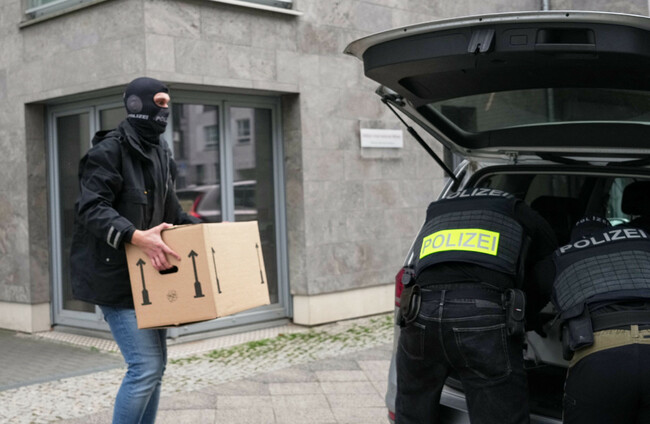

AS GERMANY REELS from a major spying scandal at the centre of its intelligence services, it is unlikely to worry Irish security services, sources have said.
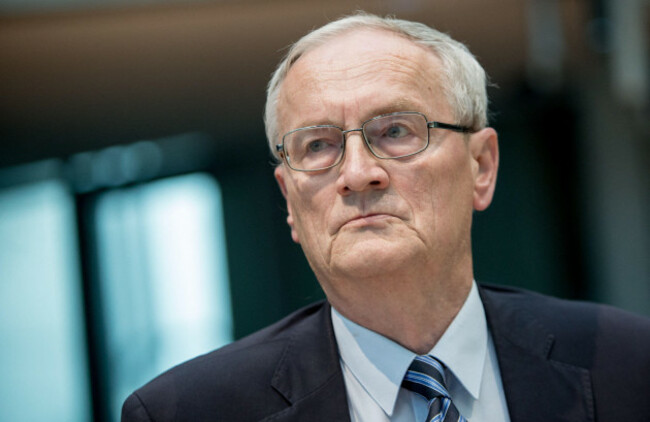
August Hanning, who ran Germany’s BND intelligence agency between 1998 and 2005, is suspected of charges including “attempted treason” and “espionage”, according to a statement from federal prosecutors.
Hanning’s former chief of staff, partially named as Manfred D., was also arrested on suspicion of “aiding and abetting attempted treason and treasonous espionage”.
Premises linked to both men were searched in several locations including the capital Berlin.
Prosecutors say that Manfred D. also served as the chief of staff for Hanning’s successors between 2012 and 2026, and used this role to gain access to confidential information which he then passed on to Hanning “in exchange for remuneration”.
The BND is Germany’s foreign intelligence agency similar to that of the French DGSE, the British MI6 or the American CIA.
The scandal has caused major ripples across Europe’s intelligence services. The biggest concern, sources said, is that the sharing of sensitive intelligence may expose collection methods and the identities of agents and spies.
The Daily Telegraph reports that a review is underway inside MI6 and US agencies to determine if any of their sensitive data shared with Germany may have been included in what was sold on by Hanning.
It has not come as a major surprise, with many sources stating that the BND has a reputation internationally as a service with a number of previous compromises or leaks.
This has caused trust in the service’s interactions with other agencies to be limited for safety reasons.
One source who has direct knowledge of the agency said that much of that exposure can be blamed on the previous East German occupation by Russia.
Sources have also said that one key security problem is that lucrative consultancy jobs for ex-high level security forces officials are not just a German issue but also globally. The sector provides generally high level supposed open source information to businesses.
The more unique and insightful the information is, the more likely businesses will continue to pay large sums of money.
Besides the exponential increase in pay for greater information, the real concern, sources said, is that some of the consultancy work could be a front for espionage.
Sources here in Ireland believe that it is very unlikely that Ireland has anything to worry about with the German incident.
It is understood that the Irish involvement with the BND is limited at most, with only minimum engagement.
It is understood that most Irish intelligence interactions would be between An Garda Síochána and Germany’s Federal Police.
An example of their interactions, one source said, is around background information for criminals active in Ireland who may have had a connection to Germany. BND generally would not be the agency with that information to share.
A number of sources said that Ireland has deeper involvement with other countries in regard to sharing intelligence but Ireland’s ability to provide data that would interest foreign powers is limited.
Ireland’s intelligence operations are handled by two agencies: the Garda National Crime and Security Intelligence Service and the Defence Forces Irish Military Intelligence Service, known formerly as J2.
One senior source defined the nature of intelligence sharing as a “traded commodity” and said Ireland would have little to offer the German BND.
Another source said that Ireland has particular expertise in financial intelligence and corporate knowledge but does not have a network of intelligence officers in foreign countries.
Multiple sources have said that the Irish Defence Forces presence in South Lebanon and its connections with local communities in Hezbollah strongholds has provided some opportunities to share with other intelligence systems.
Security sources here have raised issue with the consultancy and lobbying sector risk here in Ireland and how former and serving senior officials retire and join the area.

To embed this post, copy the code below on your site















have your say