Sign in. It’s quick, free and it’s up to you.
An account is an optional way to support the work we do. Find out more.
Sign in. It’s quick, free and it’s up to you.
An account is an optional way to support the work we do. Find out more.
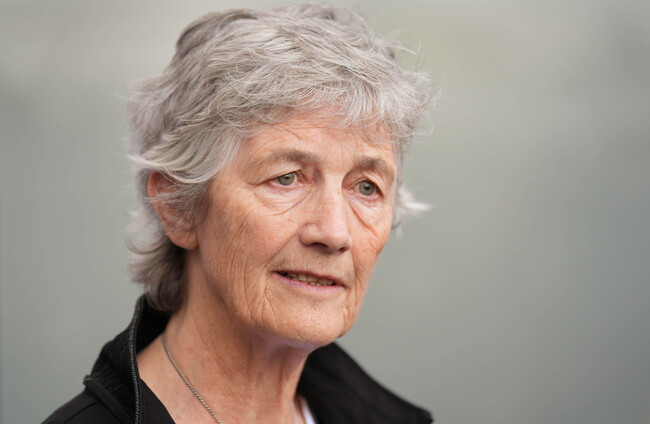
THE BAR COUNCIL of Ireland has reaffirmed the so-called ‘cab-rank rule’ and has said that barristers should be considered independent and not identified with the causes of their clients.
The statement comes as presidential candidate and former practicing barrister Catherine Connolly has faced questions about work from her legal days on behalf of financial institutions.
Clips have surfaced online in recent days of Connolly being challenged by Galway councillor Frank Fahy of Fine Gael. Fahy says he has asked Connolly, also a former Galway councillor, on a number of occasions over the years whether she had acted on behalf of banks in repossession cases.
Connolly was asked about this by reporters yesterday and said that she took on “all types of work” as a barrister, including for banks.
The Galway West TD would not specifically say whether this work included repossession cases, saying she would not “itemise” the cases she was involved in.
“In the course of my life as a barrister I took all types of work, that’s the role of a barrister. You take work from everywhere you get it and you do your best,” Connolly said.
I functioned as a barrister for every side, for people who had committed offences, for banking institutions, for people on the other side of the pitch, for people who were going under in terms of orders for possession, absolutely. That’s the work as a barrister, and you take it on professionally.
In response to a query from The Journal, the Bar Council of Ireland reiterated previous statements it had made on the issue of independent referrals and added that barristers should not “suffer adverse consequences” from the work they undertake on behalf of clients.
Barristers operate under the ‘cab-rank rule’, which means they are precluded from refusing instructions on the ground that the nature of the case, or the conduct, opinions or beliefs of a client may be unacceptable to themselves.
In its statement today, the Bar Council said this rule is “central to trust in the Irish legal system and the rule of law”.
“It is the duty of barristers to be independent and free from any influence, especially such as may arise from their personal interests or external pressure, in the discharge of their professional duties as barristers,” the statement said.
It added: “It is also the duty of barristers to accept instructions in any case in their area of practice. As a result, barristers should not be identified with their clients or their clients’ causes or suffer adverse consequences as a result of being so identified.
This fundamental principle arises from the Code of Conduct of The Bar of Ireland and is recognised in the United Nations Basic Principles on the Role of Lawyers and in the Council of Europe Convention for the Protection of the Profession of Lawyer.
The controversy has echoes of the 2020 general election when the Bar Council also released a statement in response to questions that then Fianna Fáil TD and now Justice Minister Jim O’Callaghan faced about legal work he had undertaken before he entered politics.

To embed this post, copy the code below on your site













have your say