Sign in. It’s quick, free and it’s up to you.
An account is an optional way to support the work we do. Find out more.
Sign in. It’s quick, free and it’s up to you.
An account is an optional way to support the work we do. Find out more.
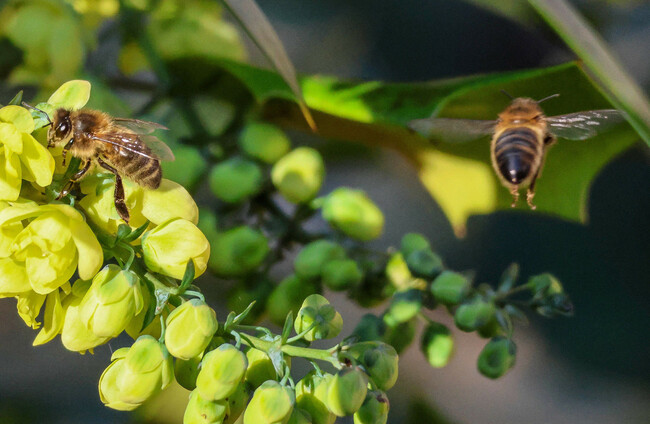
HAVE YOU NOTICED an increase in the number of bees in the last number of weeks? Well, you’re not alone – many people have reported a seeming resurge in wildlife such as bees and butterflies.
Trinity College’s Biodiversity Officer, Collie Ennis, said that although evidence of an increase in numbers is anecdotal at best, it does appear to be the case.
I've seen more native bees and butterflies in the last week than I did all last summer.
— Collie Ennis 🕷🐸 (@collieennis) April 11, 2025
Very encouraging! 🦋🐝
“Obviously, it’s not hard and fast science, but it’s certainly very, very encouraging to see so many people coming to the same conclusion that they’ve noticed a lot more pollinators and butterflies and insects,” Ennis told The Journal. “I certainly have.”
Ennis said that there has been a drop in the numbers of such pollinators visible across Ireland the last number of summers, as far back as when Covid-19 initially hit, but that there has been a definite spike this year.
He cited two possible reasons for this: the bout of good weather that has swept across the country, and secondly, results from council initiatives aimed at improving biodiversity.
“I think we had the perfect start to the summer for insects, particularly for butterflies and bees, it’s just nice, mild, sunny weather, which is perfect for them to get going.”
Ireland has had an unusual start to April this year, with bright, hot days. Ennis said that this time of year in recent years has been prone to dampness and cold snaps at times.
“That’s not great weather for invertebrates, particularly our pollinators.
“I hope, and I do think it might be the case that programs like the All-Ireland Pollinator Plan that councils have taken up, and the efforts to leave wildflower meadows and re-wild areas like public parks, I think that’s starting to make a difference. I genuinely do.”
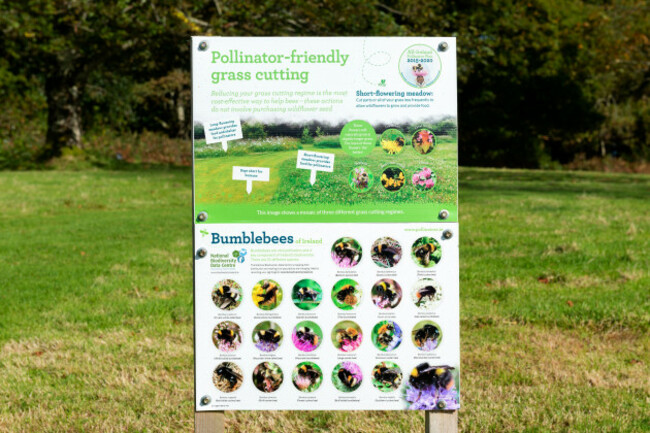
The All-Ireland Pollinator Plan was established in 2015. It is an initiative from the National Biodiversity Data Centre, and it aims to allow sectors of Irish society, spanning from schools to businesses to councils, to make efforts to preserve and encourage pollinators in Ireland.
“Again, we’d have to monitor it properly and look at trend over years, but it certainly seems like a lot of people are drawing the same conclusions from looking at the front of their cars – which is a great indicator of how many invertebrates are around,” Ennis continued.
“Like in the 80s, you would have had a lot of splattered bugs on the front of your windshield after a brief drive in the country. That went away for a long time, but in the last couple of months, people have been noticing the same thing again, and really, really encouraging sign to see.”
In his own work as Biodiversity Officer at TCD, Ennis is focused on maintaining Trinity’s on-campus wildlife through various means.
“We want to give nature an opportunity to thrive and survive on all our campus grounds,” he said. He added that the initiatives undertaken by the university, which include wildflower meadows, small ponds, and the replacing of any tree that falls or has to be removed, is all focused on ensuring that habitat is provided for wildlife.
For the person who wishes to involve themselves in the preservation and promotion of wildlife in Ireland, particularly in the case of pollinators, Ennis said that there are countless small ways to make a difference.
“Doing something is better than doing nothing at all,” he said. “So any small action that you could take is a positive step forward.
“The best thing you can do is to think about native plants or trees. If you’re fortunate enough to have a garden, a bit of space, or even a community area that you can help work or help manage for nature. Think about native wildflowers. Think about native trees like willow, and think about some standing water, like a small pond.
“And if you put all those mixture of habitats into an area, even if it’s on a small scale, you create a mosaic that really tracks and gives a home to wildlife.”

To embed this post, copy the code below on your site













have your say