Sign in. It’s quick, free and it’s up to you.
An account is an optional way to support the work we do. Find out more.
Sign in. It’s quick, free and it’s up to you.
An account is an optional way to support the work we do. Find out more.
TOGETHER, INDIA, CHINA and Russia experience almost half of all new cancers worldwide and see more than half of all cancer deaths globally.
What are the three countries doing to combat the disease?
Not enough, according to a major new study.
Medical journal, the Lancet Oncology, has just published a number of articles on the topic, to be published at a Commission examining the challenges to effective cancer control across the three nations this weekend.
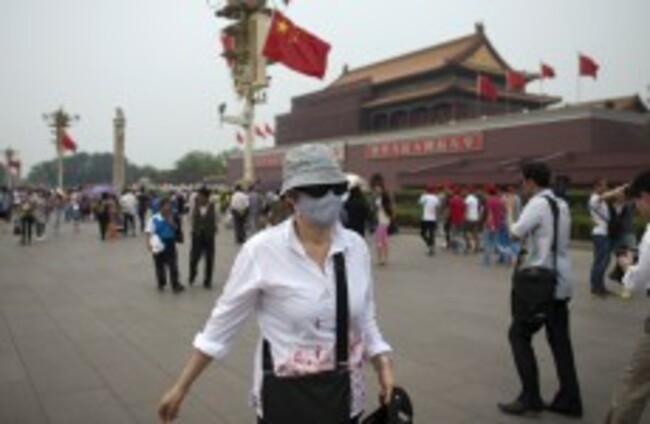
Pollution issues in China, extreme shortages of doctors and cancer fatalism in India and tobacco and alcohol use in Russia were all cited as obstacles to cancer prevention and treatment.
The Commission recommends that more “specific attention” needs to be given to the disease, as well as more funding and study.
According to the 40 experts involved, the obstacles to good treatment and care are “complex and idiosyncratic”.
“It is impossible to understand the issues that affect delivery of cancer care in China, India, and Russia, without first understanding the social, economic, and attitudinal factors which influence the way that cancer care is delivered and received in these countries,” said lead author Professor Paul Goss.
However, there are some common threads within the three countries.
Across all three nations, pronounced disparities in access to care were seen between rich and poor and between rural and urban citizens.
Cancer experts have urged government to address the inequities that have formed.
Other challenges of preventing cancer are marked across the three countries. These include changing risky lifestyle choices, such as smoking.
Poor quality of data collection on the nature and extent of cancer is also a pressing issue.
“The sheer size, geographic and human diversity, and lack of infrastructure in each of these countries presents an enormous challenge to scientists trying to evaluate the burden of cancer, which has consequences for policy makers.”
It leaves them “unable to devise a forward looking, modern, national cancer plan,” says Professor Goss.
Social, economic and environmental factors are just as important for improving cancer care as health resources and financing across the three countries.
“Active political engagement is absolutely necessary to ensure that effective policies to fight cancer are embedded in all government departments – not just health ministries,” explained Dr David Collingridge.
“Departments charged with protecting the environment, provision of social services, and the delivery of education, science, and technology, all have key roles in these challenges.”
Key Findings: China
Key Findings: India
Key Findings: Russia
The Lancet Oncology Commission Challenges to effective cancer control in China, India, and Russia and the Series Cancer burden and health systems in India will be presented at the 6th Asian Oncology Summit and 10th Annual Conference of the Organisation for Oncology and Translational Research, being held in Kuala Lumpur, Malaysia this weekend.

To embed this post, copy the code below on your site














have your say