Sign in. It’s quick, free and it’s up to you.
An account is an optional way to support the work we do. Find out more.
Sign in. It’s quick, free and it’s up to you.
An account is an optional way to support the work we do. Find out more.
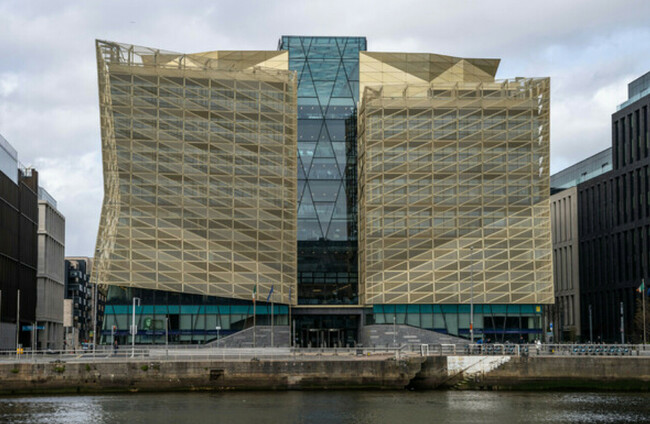
THE GLOBAL RISKS to the Irish economy as a result of the ongoing war in Iran and artificial intelligence (AI) have intensified, according to the Central Bank.
In its latest Financial Stability Review, which examines the pressures that the country may face and how well the system can handle them, the bank warned of the threat posed by a “persistent global energy supply shock triggered by the conflict in the Middle East”.
It said that if the war continues or intensifies, it will push up inflation, slow growth and increase costs for households and businesses. The bank said the duration of the war so far points to higher inflation in the near term.
It also stressed that while Ireland’s finances are resilient, the country’s dependence on imported energy and international trade leaves it particularly exposed to any potential shocks.
“I’m worried about the geopolitical risks in the grand scale. We have zero control over those,” Central Bank governor Gabriel Makhlouf said.
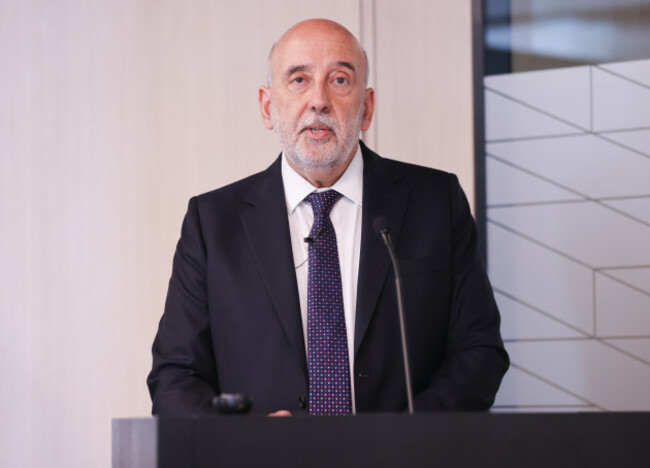
“Things have intensified, and it’s not obvious today that there’s a path to returning all of that to some sort of normality.”
He said that Ireland’s economy is in a resilient position and “we need to keep reminding ourselves of that”, but added that it can’t be taken for granted.
The review said the government’s finances remain strong, but there are underlying vulnerabilities, pointing to the reliance on corporation tax receipts for budget surpluses.
Without these, the budget balance is projected to remain in deficit, leaving the country exposed if the global economy weakens or multinational activity is affected.
Aside from the ongoing war, the review highlighted the increasing use of debt and circular deals to fund large AI investment plans as a concern to global financial stability.
It said the risks might materialise if AI either exceeds or disappoints expectations, adding that the faster it succeeds, the greater disruption it could have for other sectors in the economy, particularly software.
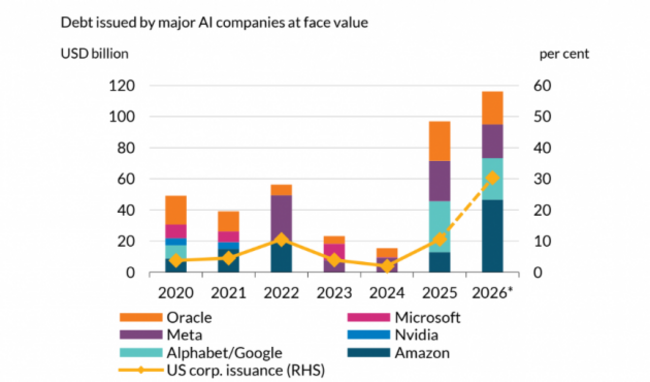
It said AI capital expenditures are now becoming increasingly debt financed, which makes it more vulnerable to increasing interest rates.
The issuance of publicly traded debt by the largest AI companies increased from an average of under €40 billion annually between 2020 and 2024 to nearly €100 billion in 2025.
In the first quarter of this year, the level of debt finance of AI is already higher than the entire previous year. The review said that any reassessment of the sector could have “wider economic effects”.
This debt is increasingly taking the form of private credit or non-bank lending, where institutional investors or private funds are providing loans directly to companies.
The bank said cyber risks are also increasing with heightened geopolitical tensions and rapid developments in AI capabilities, adding that the cybersecurity landscape requires “continued strengthening of operational resilience capabilities”.

To embed this post, copy the code below on your site















have your say