Sign in. It’s quick, free and it’s up to you.
An account is an optional way to support the work we do. Find out more.
Sign in. It’s quick, free and it’s up to you.
An account is an optional way to support the work we do. Find out more.
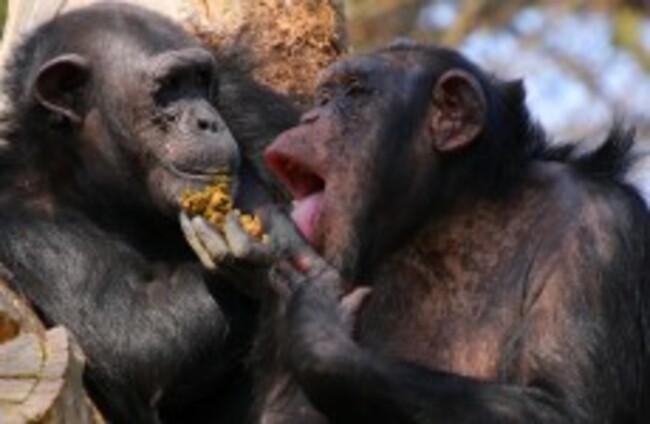
A JUDGE IN New York has issued a writ of habeas corpus, in a case brought by animal rights activists against a university, on behalf of two chimpanzees being used for research.
The writ, or court order, which names the two chimps, means Stony Brook University has to respond to the activists’ petition in court and provide a legally sufficient reason for detaining Hercules and Leo.
Activists from the Nonhuman Rights Project say this action by Supreme Court Judge Barbara Jaffe means the court has “implicitly determined that Hercules and Leo are ‘persons’”.
A writ of habeas corpus allows a prisoner to have their detention examined. Under New York State law, this only applies to human persons. This is the first time in US history that an animal has been covered by a writ of habeas corpus.
Despite claims by activists, other legal experts have said the judge may simply be using the order as a way of gathering information to aid her decision.
Law professor Richard Cupp, told Science that it would be “quite surprising if the judge intended to make a momentous substantive finding that chimpanzees are legal persons if the judge has not yet heard the other side’s arguments”.
The Nonhuman Rights Prject first filed a lawsuit against the university on behalf of the two chimpanzees in 2013. They wanted to have them transferred to a sanctuary in Florida but this was refused.
Judge Jaffe’s decision to issue the writ yesterday, however, means a hearing will now be held on 6 May, and there is still hope for Hercules and Leo.

To embed this post, copy the code below on your site















have your say