Sign in. It’s quick, free and it’s up to you.
An account is an optional way to support the work we do. Find out more.
Sign in. It’s quick, free and it’s up to you.
An account is an optional way to support the work we do. Find out more.
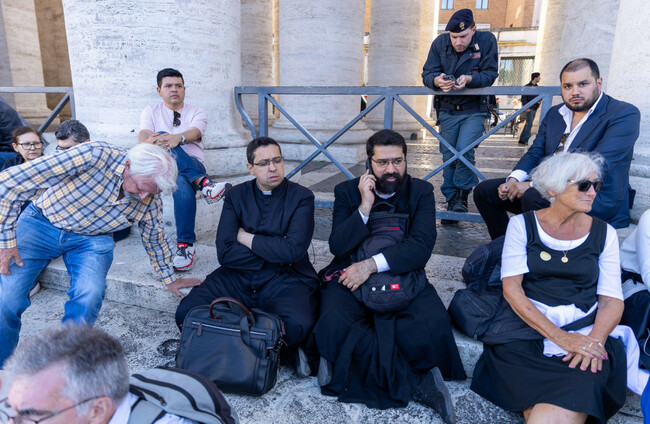

CATHOLICS FROM ALL over the world waited, and waited, and waited some more last night for black smoke to emerge from the chimney of the Sistine Chapel.
Everyone was expecting black smoke, because in the first round of voting in the conclave, achieving the two-thirds majority needed to become the new leader of the Catholic Church is verging on impossible.
The crowds had been informed by Vatican observers to expect black smoke before 8pm – black smoke was spotted for the first time in the 2013 conclave that elected Pope Francis at 7.41pm.
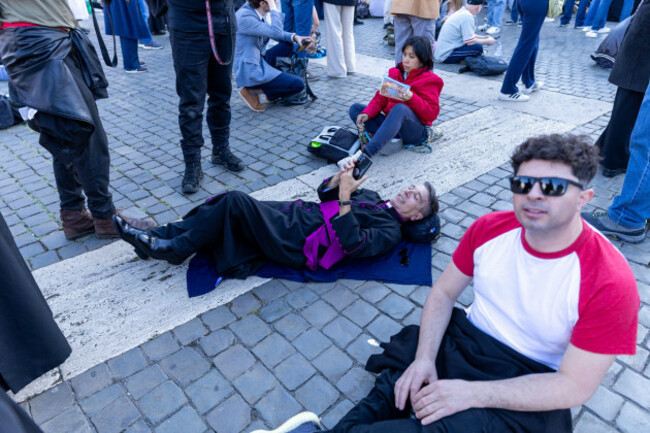
But instead, it was 9pm before the black smoke billowed from the chimney of the Sistine Chapel.
This is the largest conclave in history with 133 cardinal electors – cardinals aged 80 and under when a pope dies or resigns a vote.
This means there are 18 extra voting cardinals this time round than in 2013 – one of whom is voting from his sickbed at the Santa Martha guesthouse.
Lots were drawn yesterday to see which cardinal would have to travel between the Sistine Chapel and the guesthouse to gather this vote.
But this doesn’t quite explain it.
When the master of papal ceremonies and Archbishop Diego Ravelli proclaimed “Extra omnes” (“everyone out,” in Latin) from the Sistine Chapel yesterday, all non-voting cardinals left, except for Ravelli himself and 90-year-old Cardinal Raniero Cantalamessa.
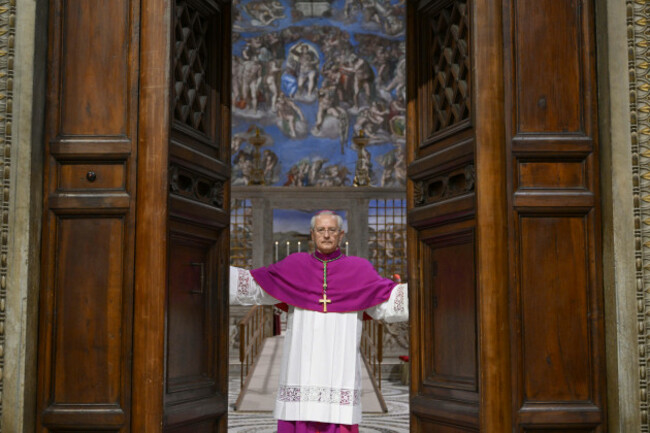
Before the voting begins, and with everyone else locked out, someone gives a special meditation to the voting cardinals on the seriousness of their duties.
When the meditation is concluded, both of these men depart the Sistine Chapel.
Last week, the cardinals chose Cantalamessa for this task, but he is not known for brevity.
Indeed, there are reports that what was supposed to be a 15-minute pep talk turned into a 50-minute sermon.
These reports caused some concern because cardinals are meant to take an oath of secrecy, with the penalty being excommunication from the Church.
And besides, voting cardinals have had their phones confiscated.
However, Vatican insider and Pope Francis’s biographer Austen Ivereigh, who reported the long sermon, noted that Cantalamessa is not an elector and isn’t in the conclave.
For those getting very excited about breaking oaths and so on: Cantalamessa was not an elector. He wasn’t in the conclave. He gave his ferverino and left. The porters outside, similarly not bound by any oaths, because also not in conclave, noted the time he came out. https://t.co/29flCQgnJs
— Austen Ivereigh (@austeni) May 8, 2025
“The porters outside, similarly not bound by any oaths, because also not in conclave, noted the time he came out.”
This morning is when the conclave starts proper after cardinals have had an opportunity to sleep on their decision after having seen how others voted.
Cardinals vote two times in the morning, break for lunch, then have two further rounds of voting in the afternoon.
If there is no pope elected in the first round of voting this morning, cardinals immediately proceed with another vote and it is after this second ballot that the crowd will see black or white smoke.
The same goes for the afternoon voting – if there is a two-thirds consensus after the first round of balloting in the afternoon, we will see white smoke – otherwise, we won’t have an indication as to how voting went until after the second round.
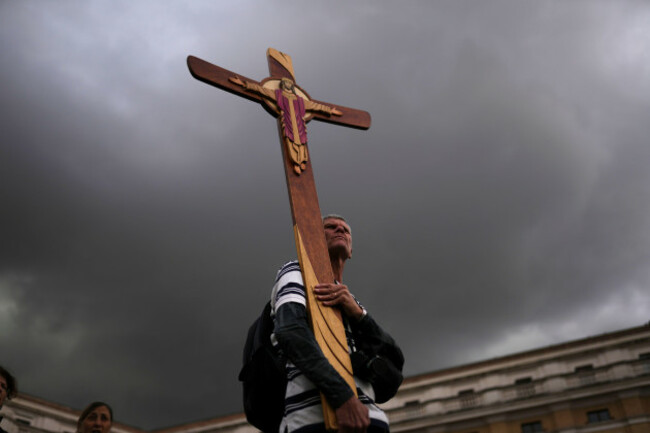
Pope Francis noted in his memoir, Hope, that during the conclave, the first round of voting often involves “a vote for a friend, for a person of respect…”
However, some front-runners and strong candidates will have emerged and cardinals have had the entire night to reflect on their vote and the thoughts of others.
This morning, cardinals begin to put their cards on the table and they have two ballots, before a break for lunch.
In the first round of voting this morning, the field will start to take shape and then from the third round of balloting onwards, the viable candidates become more clear.
Francis remarked that in the 2013 conclave, the “situation” within the first two morning ballots was “clearly fluid, uncertain, and for this reason there was nothing that particularly surprised me”.
Probably not this morning.
The last time a pope was elected on the third ballot was in 1939 with Pope Pius XII.
In 2005, the conclave to elect Pope Benedict XVI took four ballots (the first ballot on the first afternoon of voting).
For Francis, it was the fifth ballot (the second ballot on the first afternoon of voting).
In 2013, the white smoke to signal the election of Francis was seen at 7.06pm.
However, it wasn’t until around 8.15pm that Francis appeared to the crowds in St Peter’s and the waiting crowd got to greet their new pope.
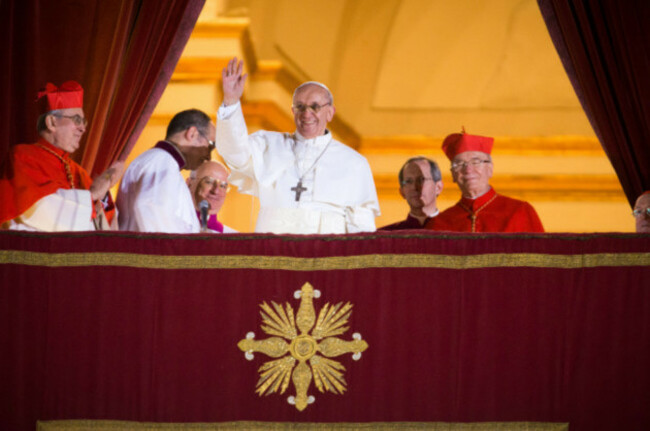
This hour-long wait is because the cardinals congratulate the new pope and pass on words of advice.
One cardinal embraced Francis to say: “Don’t forget the poor”.
The new pope also goes to the sacristy in the Sistine Chapel to be fitted with papal attire for their first appearance from the central balcony of St Peter’s Basilica.
It’s called the “room of tears”, because tears are often shed here when the new pope begins to feel the weight of the responsibility that has been placed upon them.
For example, Benedict XVI said his head began to spin when he realised he would become pope and that it felt like a “guillotine” was falling on him.
So around an hour after we see the famous white and hear the ringing of the bells of St Peter’s, we will hear “habemus papam” and see the new pope for the first time when he appears on the balcony of St Peter’s Basilica.

To embed this post, copy the code below on your site









have your say