Sign in. It’s quick, free and it’s up to you.
An account is an optional way to support the work we do. Find out more.
Sign in. It’s quick, free and it’s up to you.
An account is an optional way to support the work we do. Find out more.
LAST UPDATE | 6 Nov 2025
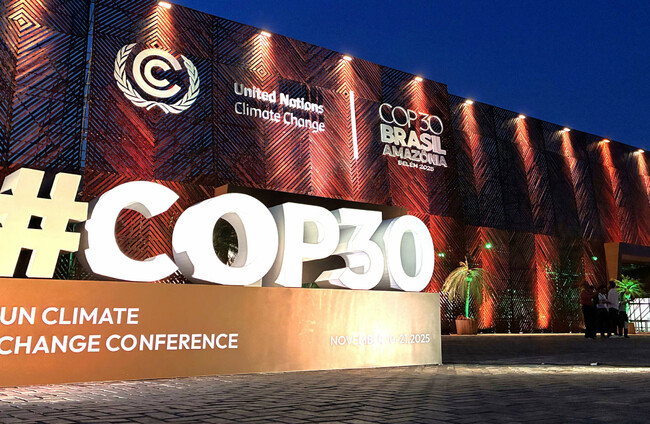
WORLD LEADERS ARE gathering in a city on the outskirts of the Amazon rainforest from today as the world’s largest climate conference gets underway.
The UN summit, known as COP30, will see countries try to hammer out agreements on issues like reducing our reliance on fossil fuels and helping vulnerable countries deal with the impacts of climate change.
This COP will be important for Ireland ahead of next year’s COP31, which will coincide with Ireland’s stint holding the rotating presidency of the EU Council.
That will mean that Ireland will be heading up the EU’s side of negotiations at COP31. No pressure.
The location of next year’s COP is yet to be decided, but it’s likely to be either Australia or Turkey.
For now, things are about to kick off in Belém, Brazil for COP30.
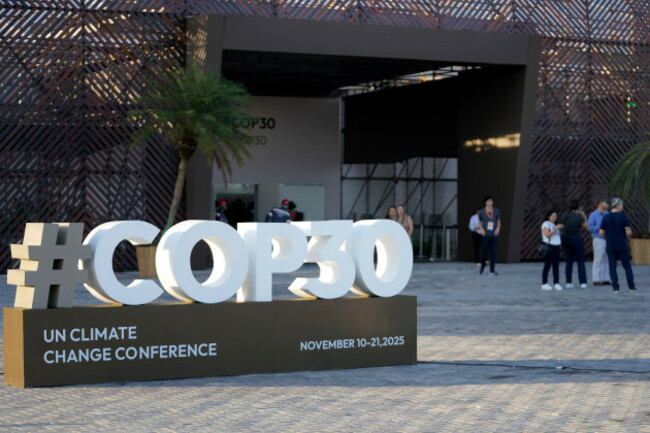
Unusually, the ‘world leaders’ portion that attracts presidents, monarchs and prime ministers is being held separately this year to the main body of the conference itself, where politicians and officials engage in negotiations as observers like scientists and activists keep a close eye on proceedings.
The two events typically happen side by side, but this year Brazil moved the world leaders’ portion up to hold it today and Friday before the conference really gets underway on Monday.
The two days when heads of states or governments are in attendance are usually the busiest of the conference, with notoriously long security lines facing attendees, so organisers will likely be hoping that the change in the schedule will make things easier to manage – but it may mean not as many attendees will be around for the world leaders portion as in previous years.
Here are six things to know as the conference gets underway.
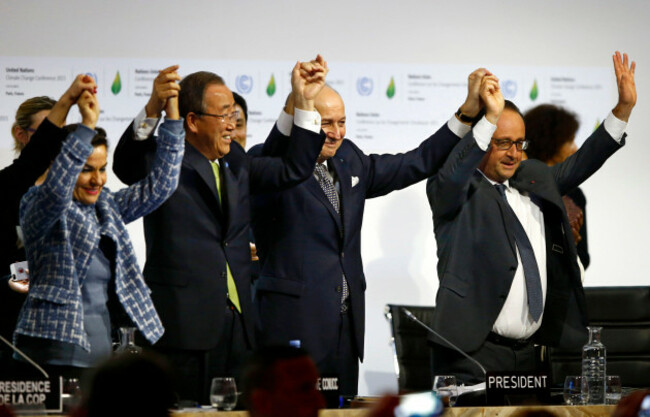
It’s been 10 years since the landmark Paris Agreement was struck in 2015. It saw countries agree to aim to limit global warming to 1.5 degrees , or at the very least to no more than two degrees.
Everyone at this COP will be very aware that we’re a decade on now since the Paris Agreement and that knowledge will colour the discussions that are happening in and out of the negotiation rooms.
Under the agreement, countries were due this year to create new plans known as ‘Nationally Determined Contributions’ (NDCs) that outline how they will play their part in achieving the goals of the Paris Agreement.
However, only 69 countries have submitted their NDC to date – many of which missed the February deadline – and 128 are still yet to submit a plan.
After an initial review of the NDCs that have come in, the UN’s top climate official said emissions are only on track to fall by 10% by 2035 – way below the 60% deemed necessary to have a chance of keeping warming to 1.5 degrees.
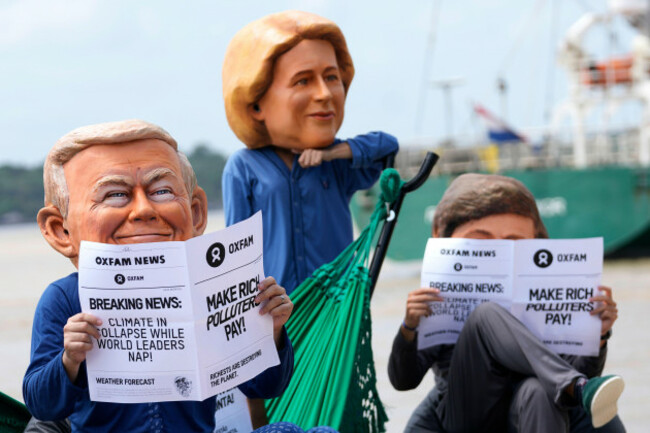
US President Donald Trump has made it clear that climate action is the opposite of a priority for his administration.
One of his first acts as president was to start the process of pulling the US out of the Paris Agreement.
The UN treaty that underlies all of the COPs dates back further to the 1992 United Nations Framework Convention on Climate Change (UNFCCC). The US is still a member of the UNFCCC, so it’s entitled to a seat around the table at COP negotiations.
However, no high-level US officials are coming to the conference this year. Trump himself isn’t expected to make an appearance either at the World Leaders’ Summit portion, where heads of state and government have the opportunity to make a speech.
Last year’s COP29 was held in Azerbaijan just days after US voters went to the polls and decided to return Trump to the White House.
Then-US President Joe Biden’s climate advisor John Podesta spoke to media while he was at the conference, saying that the “disappointment” facing other countries over the US’s disengagement under Trump would be “more difficult to tolerate as the dangers we face grow ever more catastrophic”.
John Podesta, senior advisor on climate to US President Joe Biden, answering the question on everyone's mind at #COP29 - says US election outcome was “bitterly disappointing” for climate
— Lauren Boland (@laurenanna_1) November 11, 2024
“It's clear that the next administration will try to make a U-turn and reverse progress” pic.twitter.com/1NFC5gF9W0
This is the first COP since the current government took charge, and what that also means is it’s the first COP in years where the minister of climate wasn’t Eamon Ryan.
During his time at the helm of Ireland’s COP delegations, Ryan had some fairly significant roles.
At COP27 and COP28 in Egypt and the UAE respectively, the former Green Party leader was a lead EU negotiator on loss and damage, which is the issue of how vulnerable countries are affected by climate change and how those effects can be alleviated, and on climate finance.
For last year’s COP29, the COP presidency made Ryan a co-facilitator on negotiations about climate adaptation, a high-level role involving working with many countries and trying to find solutions to overcome sticking points in the talks.
Usually, the Taoiseach and a couple of ministers would attend the annuals COPs to represent Ireland, but Eamon Ryan’s trip to COP last year was a solo mission. Neither Micheál Martin nor Simon Harris attending, deciding to stay home instead to campaign ahead of the general election.
This year, the members of Cabinet due to represent Ireland at COP30 are Taoiseach Micheál Martin, Minister for Climate Darragh O’Brien, and Minister of State for International Development Neale Richmond.
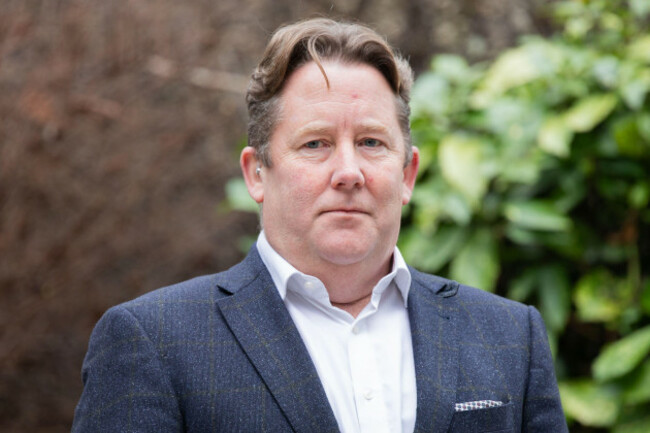
As well as the politicians, Ireland will send a delegation of civil servants who will be contributing to various negotiations and other bilateral meetings.
The host country role for COP rotates between UN regions each year. The relevant region votes on a host country, which in turn selects which city to hold the conference in.
After winning the gig for COP30, Brazil decided to make its home the city of Belém, which lies on the outskirts of the Amazon rainforest. That got a fair bit of attention when it was announced; this would be the ‘Amazon’ COP, a COP held somewhere on the frontline of climate change impacts.
But as preparations progressed, fears grew that Belém’s infrastructure would be insufficient to host a conference of this scale.
Around 50,000 people are expected to attend, and everyone who does will need a bed to lie their head on. Scarcity of accommodation options has sent prices soaring.
The Brazilian government has had to subsidise rooms for some developing countries and try to increase supply, which has ranged from docking cruise ships for temporary use to cleaning up the city’s ‘love motels’.

Attendees heading to the conference have been advised that a complimentary shuttle bus service will be available but that the city was still working out some “teething issues” with it earlier this week.
Inside the conference venue, restaurants and quick-food outlets won’t be accepting cash or credit cards; anyone who wants to buy food will have to obtain a specific payment card and add funds to it, and will have to supply their passport number to get one of the cards.
Meanwhile, a recent decision by the government to grant an oil exploration licence near the Amazon has caused a stir in COP circles.
Brazil’s state oil firm received approval last month for exploratory oil drilling off the coast of the Amazon – a move that has raised concerns for the immediate environment and the longer-term impacts of prolonged fossil fuel exploitation.
A spokesperson for the Department of Environment told The Journal that making progress on mitigation – that is, actions that try to reduce greenhouse gas emissions or other activities that can prevent further climate change – is a “key priority for the EU and Ireland after the failure to make meaningful progress in this area at COP29″.
The spokesperson also said that Ireland wants to see a “strong outcome on adaptation” and a plan for how to provide climate finance for developing countries will also be highly of interest.
“In addition to the above, just transition, capacity building, forests and gender are all expected to feature heavily in negotiations,” the spokesperson said.
And what about what activists want to see Ireland do at this COP?
ActionAid Ireland has identified what it sees as four “critical areas” for the Irish government at COP30. These are:

To embed this post, copy the code below on your site







have your say