Sign in. It’s quick, free and it’s up to you.
An account is an optional way to support the work we do. Find out more.
Sign in. It’s quick, free and it’s up to you.
An account is an optional way to support the work we do. Find out more.
MORE THAN A third of women and over a quarter of men have reported feeling “downhearted and depressed” due to the Covid-19 emergency, according to research from the Central Statistics Office.
The CSO’s Social Impact of Covid-19 survey carried out in April found the pandemic has had a greater impact on the wellbeing of women with 38% feeling “downhearted and depressed” compared to 26% of men who reported feeling this way.
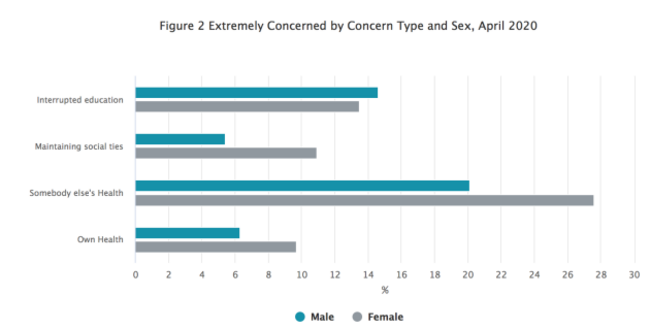
It found that one in four, or 27.6% of women are “extremely” concerned about their health, somebody else’s health, and maintaining social ties, compared to one in five men, or 20%.
The impact on women is further highlighted when set against the backdrop of research into wellbeing over the past decade.
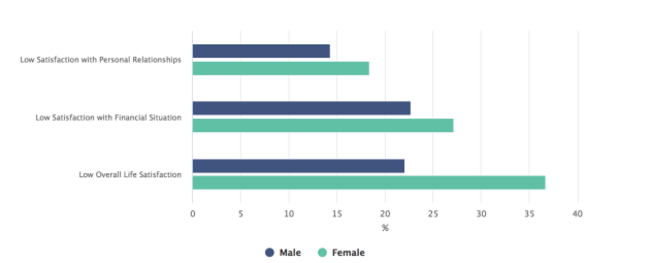
Around 15% of both women and men reported their life satisfaction as low in 2013. This dropped to 9% for women in 2018 and fell to 8.4% for men that same year.
However, the percentage of women now reporting low satisfaction with overall life is more than double the rate in 2013, climbing to 36%.
Meanwhile, some 22% of men now report a low satisfaction with life, an increase of around 14% since in 2018 but significantly lower than the comparative figure in women.
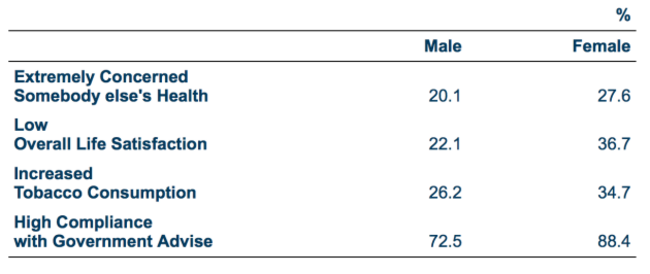
The CSO noted a bigger trend in psychological distress and changes in alcohol, tobacco and junk food consumption in women than in men.
More women than men reported an increase in alcohol consumption, 23.4% compared to 20.9%, while 26% of men reported a decrease in alcohol consumption compared with 9% of women.
More women reported an increased consumption of junk food and sweets when compared with men, 54% compared to 36%. Women were also far less likely to report a reduction in junk food consumption.
Working from home
A huge portion of the population has been adjusting to working from home over the past two months under the Government’s public health guidelines.
The CSO survey found that 49% of women reported that they would like to return to their place of work after restrictions are lifted, compared to 32% of men.
Men were also more likely to report wanting a mixture of working from home and at their place of work at 61%, compared to 44% of women.

To embed this post, copy the code below on your site

















have your say