Sign in. It’s quick, free and it’s up to you.
An account is an optional way to support the work we do. Find out more.
Sign in. It’s quick, free and it’s up to you.
An account is an optional way to support the work we do. Find out more.
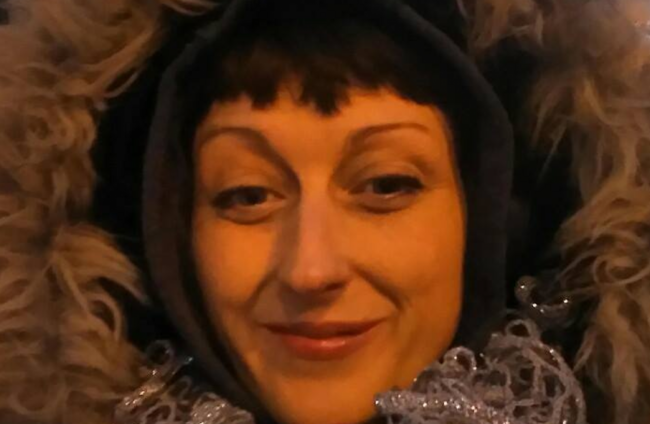
THE MOTHER OF Dara Quigley has called for the introduction of strong legislation in the area of online harassment and abuse, two years after the journalist and activist died by suicide.
The Irish Council for Civil Liberties (ICCL) will bring the case of Dara before the Oireachtas Justice Committee this morning, and her mother Aileen Malone has backed the submission being made by the ICCL before the committee.
The campaign group will today make calls to TDs and Senators for legislation on image-based sexual violence, known as revenge porn.
Malone said such legislation is “needed urgently to protect all vulnerable people, their families and friends, and to reduce the cruel behaviour of a minority that can be shared and spread rapidly online causing widespread hurt and devastating consequences”.
Dara had been walking naked on a Dublin street and CCTV footage of her arrest was uploaded to WhatsApp and subsequently to Facebook where it was viewed over 100,000 times.
She took her own life a number of days later.
As well as being known as a journalist, Dara Quigley was a prominent anti-water charge and anti-austerity activist.
Her mother Aileen added: “Dara used the power of social media but was also damaged through it. She believed in the power of free speech and the democratic process. It is right that her voice – through this submission by the ICCL – is being heard.”
ICCL submission
In its submission to the Oireachtas committee, the ICCL said that it takes issue with the term revenge porn because “it isn’t pornography, it’s abuse”.
“Image-based sexual abuse is widespread,” it said. “Perpetrators include former/current intimate partners, acquaintances, and/or anonymous trolls.
Diverse experiences can range from chilling effects to online participation with peers, withdrawal from public spaces, job loss and loss of economic opportunity, widespread online and offline harassment, and significant mental health impacts.
Referencing the Dara Quigley case, the ICCL said that accountability for the use of the recording of her on the street and the effect it had on her mental health “remains elusive”.
“No individual or organisation has been held responsible,” it said.
This is in part because of an inadequate legal framework around the use and abuse of sexualised imagery without consent, a lack of transparency around individual company standards on moderation content and removal, and a culture of online harassment that mirrors real world ills.
The ICCL claimed that an absence of legislation in this area means that “perpetrators often go unpunished and victims are left without protection or justice”.
It calls for specific laws to be implemented to criminalise image-based sexual abuse and ensure accessible civil remedies for online harassment, including restitution and compensation.
The ICCL will appear before the Oireachtas Justice Committee from 9am this morning.
If you need to talk, contact:

To embed this post, copy the code below on your site









have your say