Sign in. It’s quick, free and it’s up to you.
An account is an optional way to support the work we do. Find out more.
Sign in. It’s quick, free and it’s up to you.
An account is an optional way to support the work we do. Find out more.
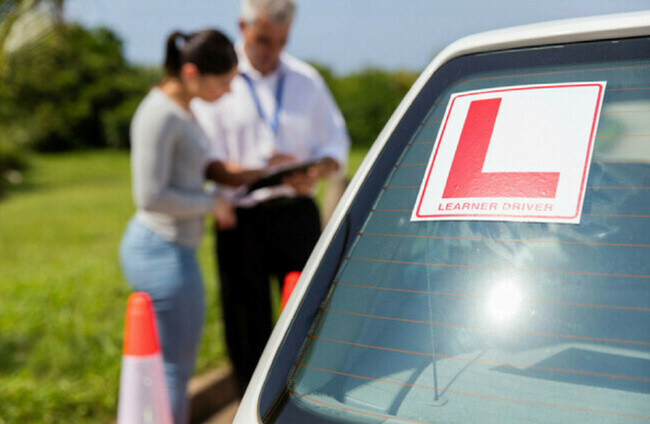
THE AVERAGE NATIONAL waiting time to receive a driving test invitation has fallen to 16.3 weeks, according to the RSA.
While this is below the RSA’s projection for July it is still six weeks above its target of 10 weeks.
The RSA said this reduction is the result of “continued strong progress in reducing waiting times, as part of its ongoing Driving Test Action Plan”.
This plan includes extended testing hours and accelerated training of new testers.
As of the end of February, there were 144 permanent testers employed by the RSA.
The RSA previously told The Journal that this figure will reach 200 by November.
To further alleviate pressure, the RSA will open new driving test centres in “key areas” to bring the national total to 60 centres.
At the end of May, driving test waiting times stood at 22 weeks.
At the time, Brendan Walsh, Chief Operations Officer of the RSA, said that by July the average wait should be down to 18 weeks.
As of this week, that figure is 16.3 weeks, which the RSA said it has achieved “well ahead of earlier projections”.
The RSA is still over six weeks off its target of 10 weeks, but a spokesperson said it remains “firmly on track” to achieve this goal by September.
The spokesperson added that this will be the result of a “range of targeted measures implemented to increase capacity and improve efficiency”.
Commenting on this week’s update, Walsh described it as a “significant reduction in waiting times” and an “important milestone”.
“We are determined to continue this momentum through the summer and into autumn,” he added.
Meanwhile, the RSA is encouraging learner drivers to prepare thoroughly, arrive at their test fully ready, and “embrace the responsibility that comes with earning a full licence”.
Walsh said this will “not only increase the success rate but also contribute to the overall efficiency and effectiveness of the national testing system”.
So far this year, the national pass rate stands at 53%.
“While we know learners have waited patiently for a test,” said Walsh, “it is crucial to see the test as a critical step towards becoming a safe, confident, and independent driver.”
Walsh encourages students to practice regularly with their sponsor and to familiarise themselves with test requirements as set out in the RSA checklist.
He noted that some of the most common reasons that people fail their test include inadequate observation on moving off, at junctions, roundabouts, and changing lanes.
Other common reasons for failure include incorrect road positioning, a failure to anticipate the actions of other drivers, incorrect use of mirrors and signals, and inadequate progress at junctions and roundabouts.

To embed this post, copy the code below on your site
















have your say