Sign in. It’s quick, free and it’s up to you.
An account is an optional way to support the work we do. Find out more.
Sign in. It’s quick, free and it’s up to you.
An account is an optional way to support the work we do. Find out more.
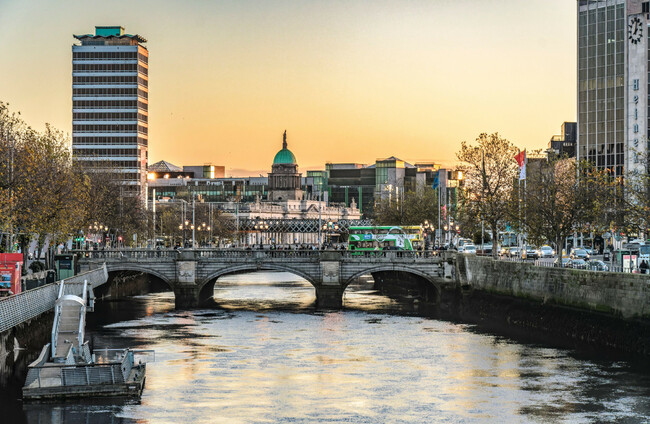
THE LORD MAYOR of Dublin has said the first meeting of the working group established to monitor the impact of the Dublin City Transport Plan was “very constructive” and that the effects of the plan are already evident.
“We held a very constructive first meeting today,” said James Geoghegan.
He said National transport Authority data indicated that public transport journey times have reduced by more than 20% on routes which include the North and South quays.
The transport plan is aiming to reduce traffic jams by restricting private vehicle access on certain roads and changing some routes in the hope of freeing up more space for public transport, walking and cycling and discouraging private vehicles from using the city centre as a through-route.
In addition to easing traffic, it is hoped that reducing private cars in the city centre will help to lower greenhouse gas emissions that are harmful to the climate from the transport sector. The changes came into effect late last month.
Footfall has also gone up this month, he said.
“Several retail and business representative associations were present and Dublin Town, who deploy footfall counters throughout the city indicated that footfall in the city has in fact increased in the month of September during the period of the traffic plan’s introduction,”Geoghan said in a statement following the meeting.
Representatives from Disability Persons Organisations were also at the meeting and put forward proposals about blue badge holders being able to access routes where bus-gates are present.
Bus gates are part of the plan that restricts access to the quays for regular cars.
The NTA committed to exploring that proposal, Geoghegan said.

To embed this post, copy the code below on your site







have your say