Sign in. It’s quick, free and it’s up to you.
An account is an optional way to support the work we do. Find out more.
Sign in. It’s quick, free and it’s up to you.
An account is an optional way to support the work we do. Find out more.
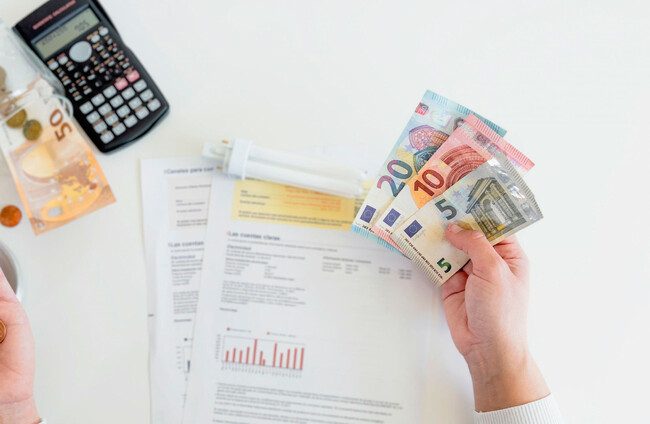
THE AVERAGE ELECTRICITY bill was 14% higher in 2021 than 2020, new figures from the Central Statistics Office (CSO) show.
That’s equivalent to €157 extra on a residential bill, before energy prices spiralled further due to the war in Ukraine.
The median residential gas bill in 2021 was €740 lower than the previous year, or 2.6% lower.
New figures from the CSO on trends in metered gas and electricity bills show that the median residential electricity bill in 2021 was €1,268.
Just under half (49%) of residential electricity customers that paid between €750 and €1,000 in 2020 paid between €1,000 and €1,500 in 2021.
Around 46% of residential electricity customers that were in the €500–€750 bill cost band in 2020 moved into the €750–€1,000 bill cost band in 2021.
Residential gas customers saw less change in their bills: 76% of those who paid less than €500 in 2020 remained in that bill cost band in 2021.
59% of residential gas customers stayed in the €500–€750 band in both years.
Other figures show that households’ disposable income has declined in three of the last four quarters.
Disposable income was at a 24-year high in the third quarter of 2021.
It also showed that household income was down by 0.8% between July and September of this year, when inflation was accounted for. Household earnings were up as more people were in work, but inflation outpaced this growth, leaving real income lower.
Commenting on the results, Peter Culhane, a statistician in the CSO National Accounts Analysis & Globalisation Division, said: “Real income has declined in three of the last four quarters as price increases have out-paced incomes.
“Spending rose between July and September, not only due to higher prices, but also because a greater volume of goods and services were bought or consumed.
“Savings at 19% in Q3 2022 were down from 20% in the second quarter of 2022. This is part of a slow trend toward lower saving seen over several quarters.”

To embed this post, copy the code below on your site













have your say