Sign in. It’s quick, free and it’s up to you.
An account is an optional way to support the work we do. Find out more.
Sign in. It’s quick, free and it’s up to you.
An account is an optional way to support the work we do. Find out more.
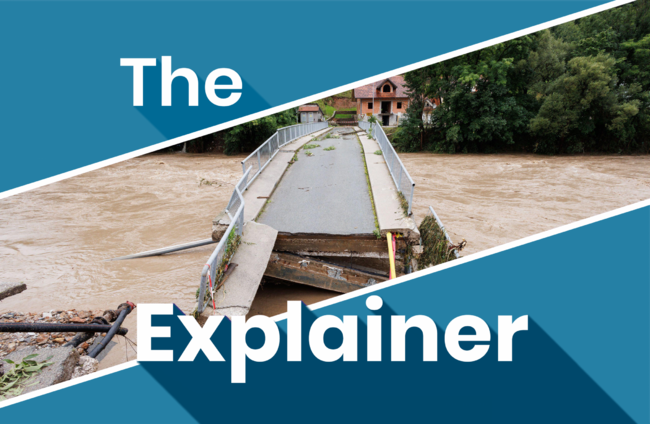
THIS YEAR HAS seen rainy day after rainy day in Ireland – nothing particularly unusual on the face of it, but the volume has caused severe issues for farmers as they try to sow crops on time, and there’s talk of a looming potato shortage.
Elsewhere in Europe, the past few years have seen a rising trend of severe weather – some of which can be linked to climate change.
This means an increasing need for authorities to respond to life-threatening situations. That’s where the European Union’s Department for Civil Protection and Humanitarian Aid Operations (DG ECHO) provides support to countries where a crisis overwhelms the resources available locally by pooling the available help.
We’re joined on this week’s episode of The Explainer by Esther El Haddad, analyst and duty officer at DG ECHO, and Johanne La, operations deputy team leader at the Emergency Response Coordination Centre (ERCC), to look at this in the context of climate change-related emergencies. How is the situation monitored, and when do countries provide assistance? What resources are provided, and is it just limited to European Union member states?
https://soundcloud.com/the-explainer-podcast/climate-related-emergencies-are-on-the-rise-but-how-are-we-dealing-with-them/s-iFlYT8bwtiP?si=6ea09097d4de4671bfb2504f1509b6e3&utm_source=clipboard&utm_medium=text&utm_campaign=social_sharing
This episode was put together by presenter and executive producer Sinéad O’Carroll and senior producer Nicky Ryan.

To embed this post, copy the code below on your site















have your say