Sign in. It’s quick, free and it’s up to you.
An account is an optional way to support the work we do. Find out more.
Sign in. It’s quick, free and it’s up to you.
An account is an optional way to support the work we do. Find out more.
EVERY WEEK, WE bring you a round-up of the best longreads of the past seven days in Sitdown Sunday.
And now, every weeknight, we bring you an evening longread to enjoy which will help you to escape the news cycle.
We’ll be keeping an eye on new longreads and digging back into the archives for some classics.
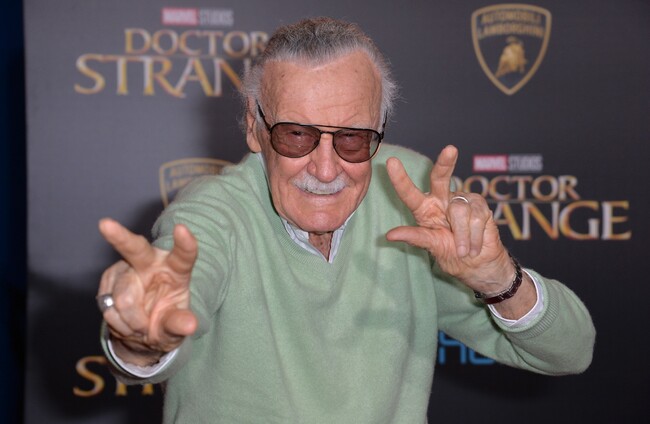
A look back at the Marvel universe – from Stan Lee’s creations to where things are now.
(The New Yorker, approx 17 mins reading time)
And then there’s the cultural dominance that superheroes, especially Marvel ones, have attained. Figures that Lee co-created, or said he created, revived a genre that had been on its last legs, helping to launch them from drugstore spinner racks to the screen. Americans who can’t identify Achilles or Botswana know Wakanda as a high-tech nation in Africa, Loki as a Norse god who’s up to no good, and Peter Parker as the original Spider-Man. Even as they dominate popular culture, superheroes—the flawed kind, the weird kind, the kind Marvel pioneered—can stand for exclusion, for queerness, for disability, for all manner of real or perceived oppression, marshalling enough power to blast their enemies into the sun.

To embed this post, copy the code below on your site















have your say