Sign in. It’s quick, free and it’s up to you.
An account is an optional way to support the work we do. Find out more.
Sign in. It’s quick, free and it’s up to you.
An account is an optional way to support the work we do. Find out more.
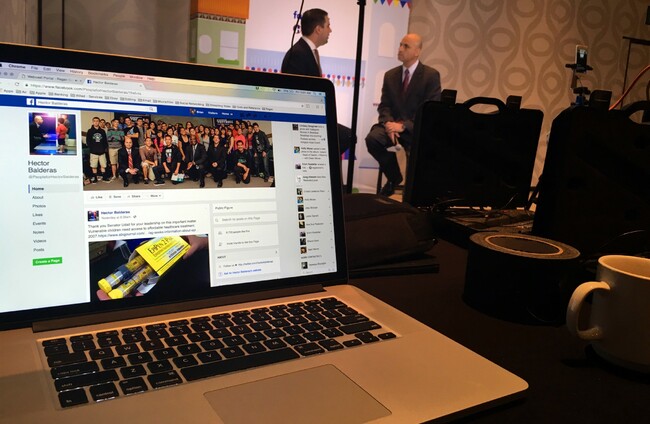
FACEBOOK HAS ANNOUNCED that it will begin allowing more graphic or potentially disturbing newsworthy posts to be shared on the leading online social network.
“We’re going to begin allowing more items that people find newsworthy, significant, or important to public interest – even if they might otherwise violate our standards,” Facebook vice presidents Joel Kaplan and Justin Osofsky said in a blog post.
“Our intent is to allow more images and stories without posing safety risks or showing graphic images to minors and others who do not want to see them,” Kaplan and Osofsky said.
This announcement was made the same day that Facebook apologised for taking down a breast cancer awareness video because the images were flagged as offensive, saying the move was “an error”.
This has added to increasing speculation over what exactly Facebook is as a publisher or platform, with some experts saying the tech giant should abide by media guidelines.
Earlier this year Facebook backtracked on a decision to censor an iconic Vietnam War photo of a naked girl escaping a napalm bombing, after its block triggered a wave of outrage.
Cancerfonden
Swedish cancer charity Cancerfonden said Thursday that its video explaining to women how to check for suspicious lumps, featuring animated figures of women with circle-shaped breasts, had been removed from the US social networking site.
“We find it incomprehensible and strange how one can perceive medical information as offensive,” Cancerfonden communications director Lena Biornstad told international news agency AFP.
“This is information that saves lives,” she said. “This prevents us from doing so.”
In a tongue-and-cheek open letter to Facebook, Cancerfonden had offered a different version of the offending round cartoon breasts.
“After having tried to meet your rules for several days without succeeding, we have now reached a solution which will hopefully satisfy you: two pink squares! This cannot possibly be offensive,” the charity wrote, along with the following picture:

A Facebook spokeswoman later apologised for removing the video, saying: “We’re very sorry, our team processes millions of advertising images each week, and in some instances we incorrectly prohibit ads.
This image does not violate our ad policies. We apologise for the error and have let the advertiser know we are approving their ads.
The furore erupted just as the White House was lit up in the colour pink to mark breast cancer awareness month.
Facebook faced outrage in September for repeatedly deleting a historic Vietnam War photo included in a post by Norway’s Prime Minister Erna Solberg.
It said the iconic photo of a naked Vietnamese girl fleeing a napalm bombing violated its rules, but it later backtracked on the decision.
Facebook has a ban on posts that contain nudity, with some exceptions, such as images of works of art and women breastfeeding, or educational content.
The US social media giant counts some 1.7 billion users around the world.

To embed this post, copy the code below on your site














have your say