Sign in. It’s quick, free and it’s up to you.
An account is an optional way to support the work we do. Find out more.
Sign in. It’s quick, free and it’s up to you.
An account is an optional way to support the work we do. Find out more.
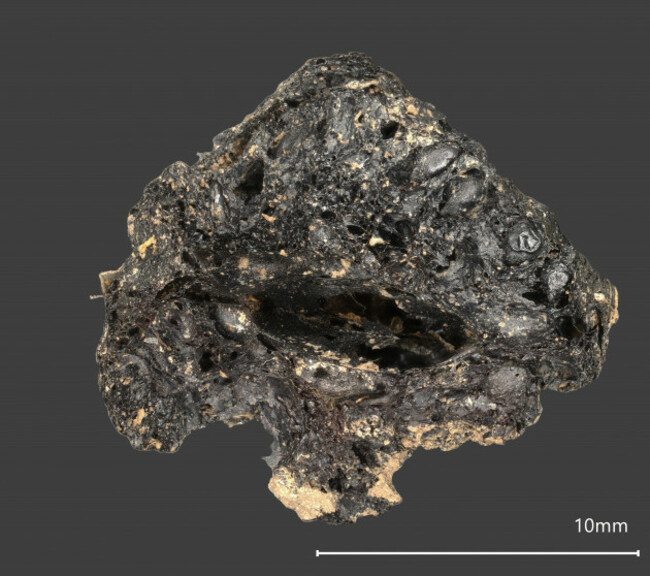
A FIG DATING back over 2,000 years has been discovered in north Dublin.
Professors from University College Dublin say it could be evidence of a food trade between the ancient Roman Empire and Ireland.
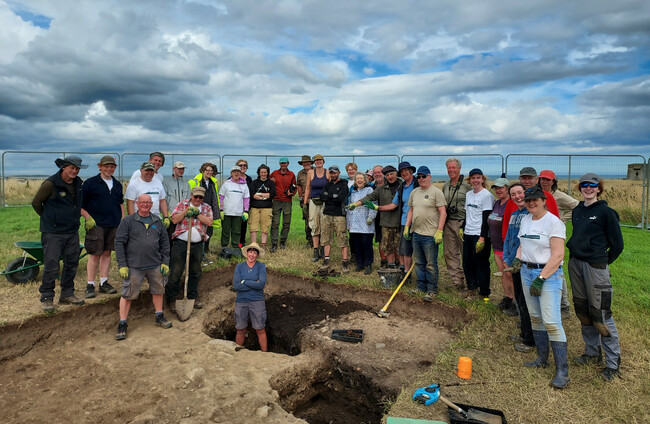
The fig was unearthed from an archaeological excavation at a headland in Drumanagh, where an important trading post with the Roman Empire was located.
The fig survived all these years because it was burnt, which enabled its preservation.
The Drumanagh promontory fort is of international significance in terms of Ireland’s relationship with the Roman world.
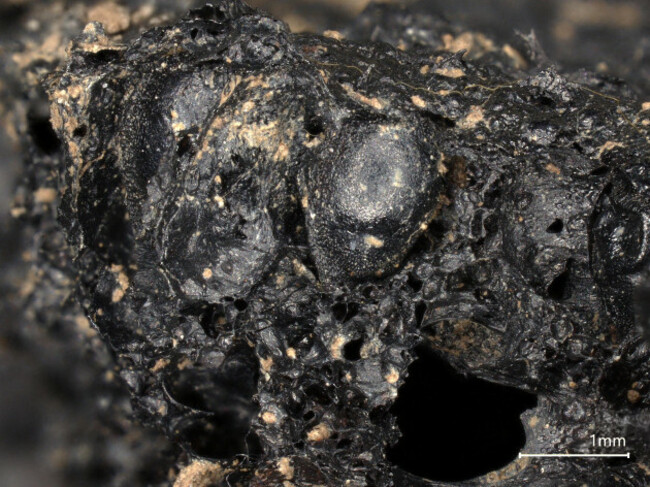
A wide variety of goods arrived here, and it is said that the discovery of a large, charred fragment of a fig fruit could point to evidence of an exotic food traded between the Roman Empire and Ireland.
Meriel McClatchie is the director of the UCD Ancient Foods research group at UCD School of Archaeology.
She said the discovery is “without parallel in Ireland and is by far the oldest example of an exotic fruit found here”.
At its height, the Roman Empire ruled much of Europe, as well as parts of Western Asia and North Africa.
However, it did not extend into Ireland.
The establishment of extensive trading routes within the Empire allowed Roman cuisine to become widely available, including nuts such as almonds, and fruits such as grapes, dates and figs.
But while figs were traded across the Roman Empire, McClatchie said “we did not know until now that they made it all the way to Ireland”.
“Finds of fig elsewhere in northern Europe are thought to reflect imports from southern Europe, and it is likely that this new Irish discovery travelled a similar distance,” said McClatchie.
“It’s thrilling to imagine someone enjoying such an exotic food here in Ireland so long ago.”
The excavations at Drumanagh are led by Christine Baker, Heritage Officer and archaeologist at Fingal County Council.
Her team has uncovered extensive evidence for craft and domestic activities, including metal and ceramic objects that originated in Roman Spain, Gaul and Britain.
The presence of significant quantities of spelt wheat, a cereal that was rare in Ireland’s past but was a staple of Roman Britain, was also discovered.
“Our excavations have revealed more of the story of those living and working at Drumanagh,” said Baker.
“We now know there was an importation, not just of goods but of lifestyle.
She added: “By these windswept cliffs people were consuming spelt bread, olive oil and figs, drinking from glass vessels and fine ceramic cups while wearing brooches and glass beads.
“The evidence so far points to a connection with the Chester/Wirral area of Roman Britain during the first 200 years of the Roman conquest.”
A public seminar to share the results of the post-excavation analysis to date will take place on Saturday 16 November at Millbank Theatre in Rush, Co Dublin as part of Drumanagh Day.

To embed this post, copy the code below on your site











have your say