Sign in. It’s quick, free and it’s up to you.
An account is an optional way to support the work we do. Find out more.
Sign in. It’s quick, free and it’s up to you.
An account is an optional way to support the work we do. Find out more.
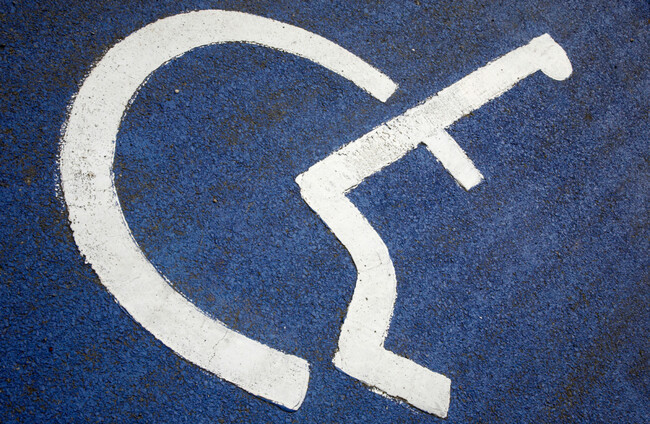
AN INCREASE IN the number of fines issued to motorists in Dublin for parking in bays reserved for those with disabilities has led to calls for new technology to be used for a further crackdown.
Almost 2,000 fines were issued to motorists across Dublin’s six garda districts last year, nearly 700 more than were issued in 2023.
The Irish Wheelchair Association told The Journal that the possibility of using new technologies to detect if motorists are permitted to park in disabled parking spaces should be explored.
According to data provided to Fine Gael TD Emer Currie, the largest increase in penalties in Dublin was seen in the south inner-city, where a total of 772 fines were issued last year
As of July this year, 682 fines have been handed down to motorists for parking in disabled bays in the same area.
Technologies similar to those used to detect uninsured drivers could be a way to achieve higher enforcement rates, the Irish Wheelchair Association has said.
The Garda insurance detection app uses details provided to the Motor Insurers’ Bureau of Ireland through the Irish Motor Insurance Database. A similar database could be built to determine if a motorist is permitted to use disabled parking spaces, the association says.
While Dublin saw the highest increases when compared with figures from 2023, almost every other region of the country also had more fines issued last year. Penalties for motorists reached a total of 4,819 nationwide.
The Irish Wheelchair Association has welcomed An Garda Síochána’s increased enforcement for the proper use of disabled parking bays.
They said the spaces are critical for people with physical disabilities, adding: “We would like to see more focus on enforcement in all areas around the country.”

To embed this post, copy the code below on your site














have your say