Sign in. It’s quick, free and it’s up to you.
An account is an optional way to support the work we do. Find out more.
Sign in. It’s quick, free and it’s up to you.
An account is an optional way to support the work we do. Find out more.
THE OFFICE OF Public Works (OPW) was found to have rented residential properties to its staff and retired workers for only a fraction of their market value.
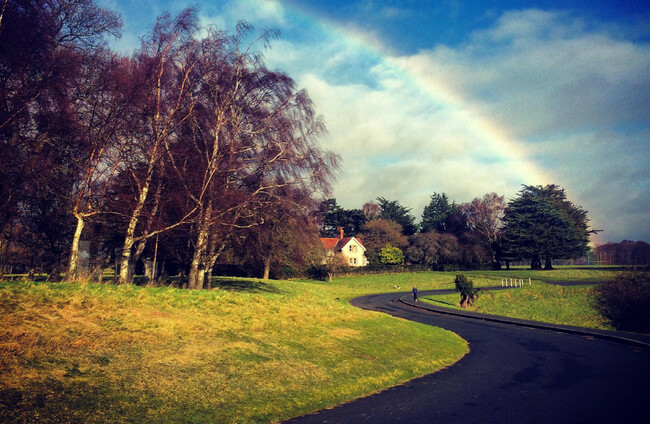
An audit by the Comptroller and Auditor General found that the body, which manages most of the State’s property portfolio, rented 13 homes to staff and retired workers in Dublin’s Phoenix Park for an average of €169 per month.
The findings meant the OPW was required to pay €698,600 to settle benefit-in-kind liabilities for the years 2022 to 2025 to the taxman. The settlement is currently under review by Revenue.
The examination of how the OPW manages the 92 residential properties it owns produced a long list of damning conclusions.
It found that the OPW rented out residential properties in the Phoenix Park to house workers who need to be on site to perform their jobs, where no rent was paid at all.
Examiners found that an average of €169 was paid on the 13 Phoenix Park properties, ranging from €56 to €347 per month, even though the market rate in 2024 for similar properties was €1,750 per month.
In addition to the low rents, the auditors also found insufficient record keeping, an incomplete asset register and a lack of oversight of its vacant properties.
The OPW directly manages 56 of the 92 residential properties it owns and outsources the management of the other 36 to state bodies such as An Garda Síochána and the National Parks and Wildlife Service.
The examiners said the OPW was unable to provide evidence that there are any formal agreements with the other bodies about the management of those 36 properties.
The auditors asked the OPW for detailed information about the OPW’s residential properties, “including specific information that would be expected from a standard property management system”.
But when the OPW responded, “over 60% of the data fields requested had incomplete or no information,” the report said.
The OPW has no centralised system for keeping information about its residential properties and, therefore, had to compile the data and documents requested by the auditors manually.
“Without a comprehensive centralised management system, it is difficult to establish with confidence the accuracy and completeness of the information provided,” the report said.
The examiners visited unoccupied properties in the Phoenix Park in Dublin, Castletown House demesne in Kildare and Glenveagh National Park in Donegal.
According to the OPW’s own records, 40% of its residential premises are vacant, but investigators found that two of those listed are actually occupied.
Examiners discovered one property that was clearly being used “to store miscellaneous items, apparently without prior notice to, or the approval of, the OPW”.
In another case, the examiners found that “the occupier of another residential property had undertaken works to join that property to an adjacent house, creating an enlarged residential property which continues to be occupied”.
The report said these works had apparently been commenced without the approval of the OPW, but added that “there is evidence that the OPW has been aware of this situation at least since the late 1990s.”
The OPW does not know how much its collection of residential properties is worth.
When the auditors compared the OPW’s asset register with the list of properties provided for the examination, the team from found that half of them were missing and seven were duplicated.
“The OPW does not have a formal policy in place that governs what assets should be recorded on its asset register and could not explain why properties it manages directly are not on its own asset register,” the report said, adding that the OPW is currently developing a new policy.
The OPW said that substantial work will be required to compile a fair value assessment of each property and that this work is expected to be completed in 2029.

To embed this post, copy the code below on your site












have your say