Sign in. It’s quick, free and it’s up to you.
An account is an optional way to support the work we do. Find out more.
Sign in. It’s quick, free and it’s up to you.
An account is an optional way to support the work we do. Find out more.
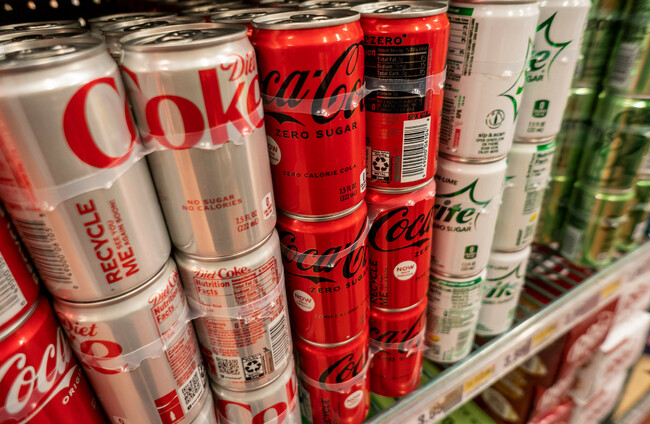
THE FOOD SAFETY Authority of Ireland has said it is “not aware” of any Coca-Cola products in Ireland that have been impacted by a recall-notice in other EU countries.
Coca-Cola has recalled drinks in Belgium, France, Germany, Luxembourg and the Netherlands after testing revealed “elevated levels” of chlorate.
Chlorate is a by-product of the breakdown of chlorine-based sanitisers and chlorine chemicals, which are frequently used to sterilise water.
It can cause iodine deficiency in people and is regulated with legal maximum residue limits for a range of foods, including fresh produce.
In a statement, Coca-Cola Europacific Partners, said: “The recall is focused on Belgium, Luxembourg and the Netherlands, where the majority of affected products have been withdrawn from sale.
Coca-Cola Europacific Partners is the company’s bottling partner across 31 markets, but Ireland does not fall under this umbrella.
“Routine testing identified that certain products contained elevated levels of chlorate,” said Coca-Cola Europacific Partners.
“Independent expert analysis concluded that the likelihood of any associated risk of feeling temporarily unwell from consuming these products is very low.”
“This has affected a very small number of imported cans of Appletiser, Coca-Cola Original Taste, Coca-Cola Zero Sugar, Diet Coke and Sprite Zero with production codes from 328 GE to 338 GE, which can be found on the base of the can.”
Coca-Cola Europacific Partners covers Britain, and the company said it has flagged the issues to the food safety authorities in Britain and that there have been no consumer complaints or concerns in Britain.
Meanwhile, the Food Safety Authority of Ireland (FSAI) it is aware of reports of a recall by Coca Cola due to concerns that products contain excessive levels of Chlorate.
A spokesperson said: “To date, the FSAI is not aware that any impacted product has been distributed to or within the Republic of Ireland.
“We continue to engage with colleagues across other EU Member States and the UK on this matter and are monitoring this situation closely.”

To embed this post, copy the code below on your site
















have your say