Sign in. It’s quick, free and it’s up to you.
An account is an optional way to support the work we do. Find out more.
Sign in. It’s quick, free and it’s up to you.
An account is an optional way to support the work we do. Find out more.
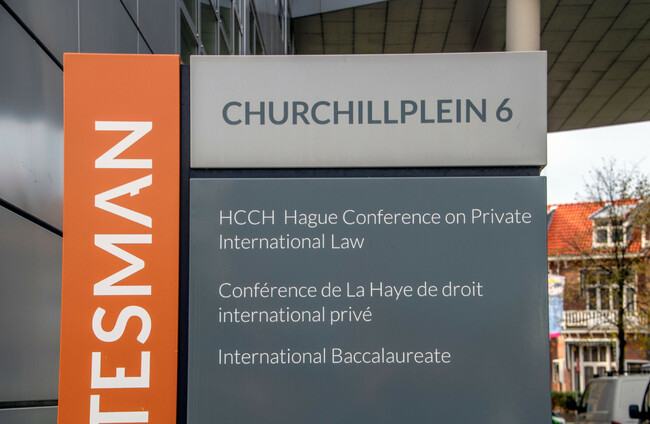
THE GOVERNMENT HAS announced that it has ratified a Hague Convention which ensures that people who lack capacity abroad are protected in international situations.
The Convention on the International Protection of Adults, known as the Hague Convention on the Protection of Adults, was first signed by Ireland in September 2008.
The Government sent its intention to ratify the Convention to the Ministry of Foreign Affairs of the Netherlands on 31 May and it will come into effect in Ireland from 1 September, 2024.
Minister of State for Disability, Anne Rabbitte said the move “shows that Ireland is willing to stand up for the rights of its citizens abroad, where they may need support during a difficult period in their lives”.
She added: “People who lose capacity are entitled to support to make important decisions affecting their everyday lives, and these people when they are abroad is something which we should be doing, and I strongly support that.”
Meanwhile, Minister Roderic O’Gorman, said the ratification “marks another important milestone in the protection of adults who may lack capacity”.
He said it also ensures a “rights based and person-centred approach to capacity and the protection of Irish citizens abroad.”
The Convention provides for greater legal harmonisation, cooperation and communication among Contracting States to the Convention, ensuring that persons lacking capacity abroad are protected in international situations.
The Convention currently has 16 Contracting States, which are States bound by the Convention, and a further four States have signed the Convention, but not yet ratified it.
The main purpose of the Convention is to provide uniform rules on the jurisdiction for the protection of adults and their property, and determine which law is to be applied when an authority is exercising jurisdiction.
It also determines the law applicable to representation of the adult, provides for recognition and enforcement of measures of protection, and establishes co-operation between the authorities of the Contracting States.
Each Contracting State is obliged to nominate a Central Authority to discharge certain duties and ensure the smooth operation of the Convention.
This role has been given to the Decision Support Service (DSS), which is part of the Mental Health Commission but has a separate role to it.
The DSS assists people who face difficulties and need support exercising their decision-making capacity.
This may include, but is not limited to, people with an intellectual disability, acquired brain injury, mental health difficulty or dementia
Speaking today, Tánaiste Micheál Martin described the move as an “important step in providing for the protection, in international situations, of the interests of adults who lack capacity, both in Ireland and abroad”.
Martin, Rabbitte, and O’Gorman each welcomed the role the Decision Support Service will play and remarked that it will play a positive role.

To embed this post, copy the code below on your site

















have your say