Sign in. It’s quick, free and it’s up to you.
An account is an optional way to support the work we do. Find out more.

Sign in. It’s quick, free and it’s up to you.
An account is an optional way to support the work we do. Find out more.
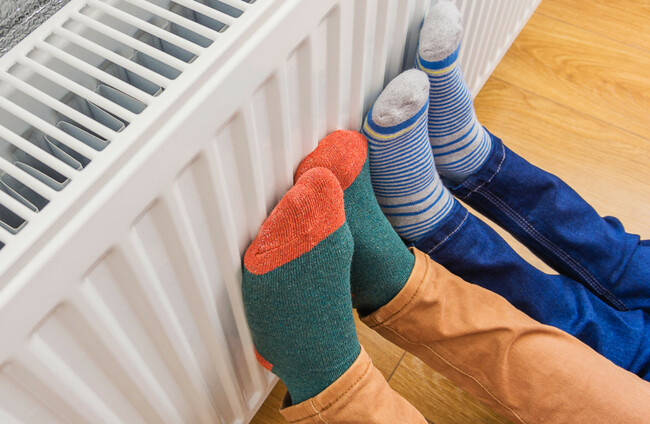

OUR HEATING SYSTEMS need to work extra hard for us during the winter months, to keep us cosy in colder weather.
But with all that extra use, older systems can act up, parts can stop working as they should, and suddenly you’re left with no hot water or a freezing cold bedroom.
This time of the year is peak season for Local Heroes like Keith Kavanagh, a heating expert based in Dublin. “Our busy period starts in September with people starting to turn on their heating and maybe thinking about upgrading their boiler,” he says.
Once the temperatures drop below four degrees, that’s when we start to get more emergencies. In colder weather, older boilers struggle, more things go wrong and people are suddenly left without heat.
Luckily, most heating dilemmas fall within a few common categories, and some can even be rectified without the help of an expert. The key is figuring out what’s causing the issue, be it a sticky valve or a boiler in need of total replacement. Share your confidence level in diagnosing winter heating dilemmas here…
Not too confident? Below, Keith outlines some common dilemmas he hears from customers, what the likely cause is, and how to go about fixing the issue…
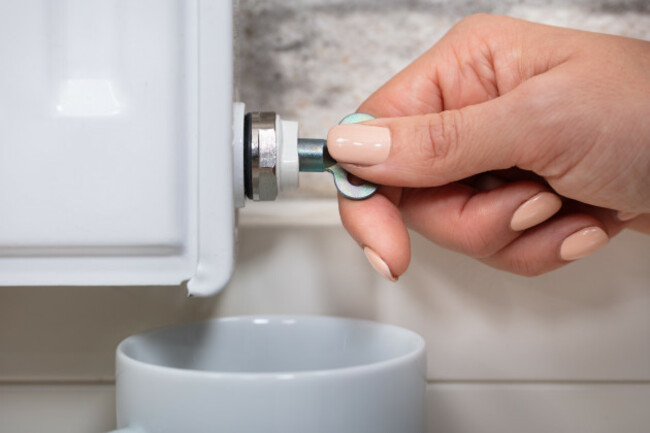
Bleeding your radiators to release trapped air is a simple home maintenance job that should be done at least once a year to keep your heating system working as it should (find a quick how-to here). But one thing people commonly forget to do, says Keith, is to check in on their boiler’s pressure gauge afterwards.
Your boiler relies on water pressure to transfer heat to your radiators or hot water pump quickly and efficiently. When you bleed your radiators, the loss of air can cause pressure levels to dip – and if they dip far enough, most modern boilers will enter a ‘safe mode’ and simply stop heating up.
“Nine out of ten of calls we get about boilers are linked to low pressure,” says Keith. To get your boiler back in full working order, you’ll need to repressurise it, bringing the gauge from zero back to the sweet spot of between one and two bars. You can do this yourself by following the manufacturer’s instructions on your boiler, or if you’re not feeling up to the job, a Local Hero in your area will be happy to help.
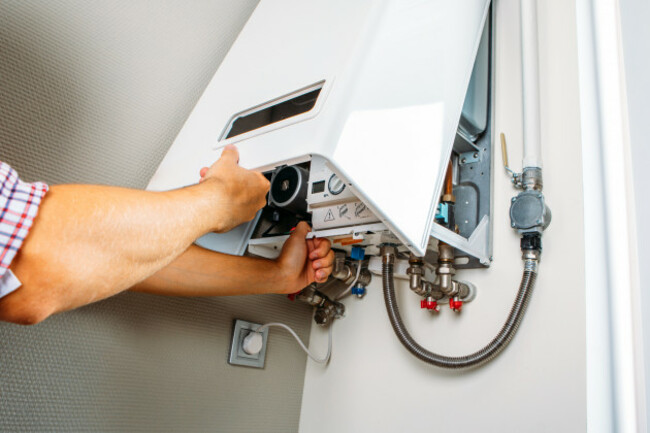
Homes built before 2007, or homes that haven’t been upgraded since that time, are likely to have conventional boilers rather than the more modern condensing variety. As well as being out of warranty, conventional boilers are typically far less reliable than their newer counterparts.
“Problems with condensing boilers are farer rarer,” says Keith. “We’d expect a modern boiler to run efficiently 95% of the time, whereas conventional systems have an efficiency rate of only 65%.”
If you have a pre-2007 boiler that’s prone to breaking, Keith suggests thinking long term and investing in a new system rather than just replacing individual parts – and the best part is that boilers installed by Local Heroes come with a ten-year warranty for added piece of mind.
It doesn’t make economic sense to just keep fixing an old boiler, you’re throwing good money after bad. Upgrading is your best bet – and once you do upgrade, you should be getting your boiler serviced annually to keep it in check.
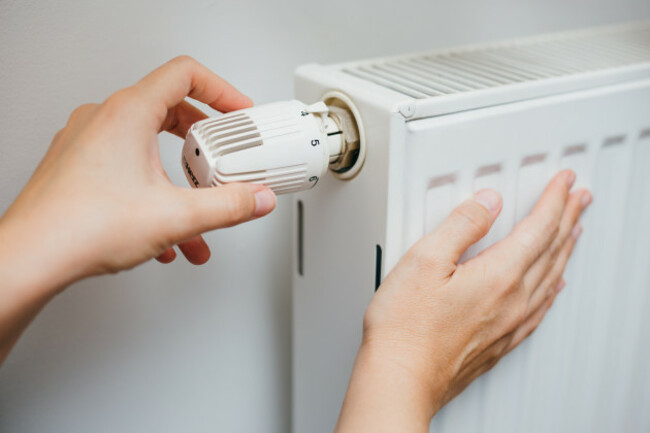
This one’s a classic start-of-winter problem, and luckily it’s usually easily fixed without calling in an expert. “A lot of modern radiators have thermostatic valves. These are tiny pins that can get stuck, especially if the radiators haven’t been used or serviced in a while.”
If the valve is stuck shut, water won’t flow into your radiator, and you’ll be left without heat. To get things moving again, you’ll need to access the pin by removing your radiator’s thermostat knob. Apply a lubricating spray like WD40, and then loosen the pin by very carefully moving it with a set of mole grips or a pliers, being sure that the pin doesn’t lift out completely (find a video tutorial here - and if you’d rather leave it up to an expert, find a Local Hero near you here).
This is one problem that can be avoided with regular servicing or a little bit of mindful maintenance, says Keith:
Going around the house and turning the thermostats on, then off again, every once in a while during the warmer months, should save you a lot of trouble.
4. There’s plenty of hot water in the bathrooms, but none in the kitchen
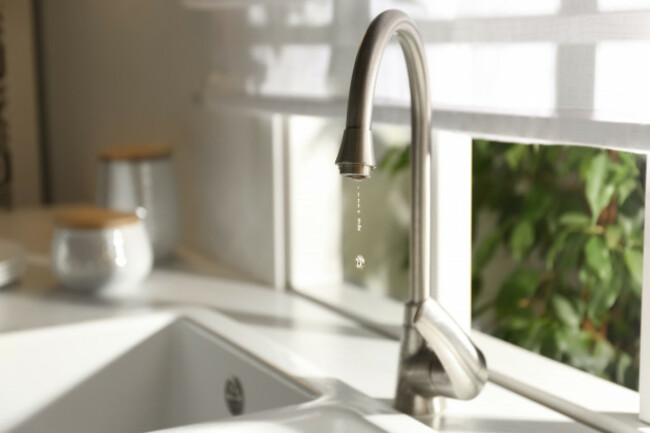
Are you suddenly without hot water in your kitchen taps, even though the showers upstairs are running hot? Or do you have ice cold water in your upstairs bathroom, but everything’s working fine elsewhere?
Zoned hot water systems can run into trouble when motorised valves seize up or even break, says Keith:
“The boiler can be working fine but if one of the valves isn’t working, hot water isn’t flowing to a certain part of the house.”
Fixing or replacing the valve will take an experienced tradesperson around two hours, so your system will be back up and running before you know it.
Radiator acting up or boiler on the blink? Use Local Heroes to find heating experts and other reliable tradespeople in Cork, Dublin, Limerick, Galway, Carlow, Kilkenny and Waterford. All work comes with a 12 month guarantee backed by Bord Gais Energy. Get a quote in a few clicks here. *Terms and conditions apply, see localheroes.ie.
To embed this post, copy the code below on your site













have your say