Sign in. It’s quick, free and it’s up to you.
An account is an optional way to support the work we do. Find out more.
Sign in. It’s quick, free and it’s up to you.
An account is an optional way to support the work we do. Find out more.
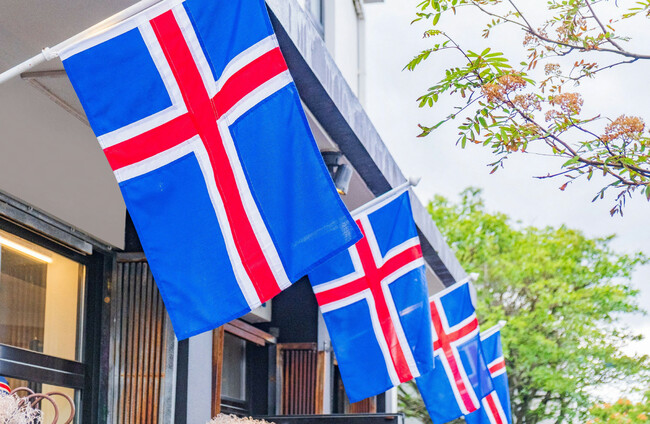
THE GOVERNMENT OF Iceland has announced plans to hold a referendum next year on whether the country should restart negotiations to join the European Union.
The vote is expected to take place on 29 August, after the government decided to bring a motion forward this week proposing the referendum.
Voters will be asked whether Iceland should resume accession negotiations with the EU, which were halted more than a decade ago.
However, the referendum will not be a vote on joining the EU itself.
If the public backs restarting talks and negotiations are later completed, a second referendum would then be held asking Icelanders whether the country should formally join the bloc.
Iceland first applied to join the EU in 2009 following the global financial crisis, and accession negotiations took place between 2010 and 2013 before being put on hold after a change of government.
Despite the pause, Iceland’s application was never formally withdrawn and remains legally valid.
At the time talks stopped, 27 of the 33 negotiation chapters (the policy areas countries must align with EU rules on during accession talks) had been opened, with 11 provisionally closed.
The planned referendum follows a commitment made by Iceland’s current coalition government, which came to power after elections in late 2024.
The administration, made up of the Social Democratic Alliance, the Reform Party and the People’s Party, pledged in its coalition agreement to hold a vote on whether to continue EU accession talks no later than the end of 2027.
Although it’s not an EU member, Iceland already has close economic ties with the bloc.
The country is part of the European Economic Area alongside Norway and Liechtenstein, which extends the EU’s single market to those countries and allows the free movement of goods, people, services and capital.
Iceland also participates in the Schengen Area, allowing passport-free travel with most European countries.
The EU is Iceland’s largest trading partner, accounting for more than half of the country’s trade in goods in 2024 and nearly two-thirds of its exports.
Iceland mainly exports fish and non-ferrous metals to the bloc.
If voters reject the proposal in the referendum, Iceland will not return to EU accession talks.
If they back restarting negotiations and a deal is eventually reached, a second national vote would then be held on whether the country should join the EU.

To embed this post, copy the code below on your site













have your say