Sign in. It’s quick, free and it’s up to you.
An account is an optional way to support the work we do. Find out more.
Sign in. It’s quick, free and it’s up to you.
An account is an optional way to support the work we do. Find out more.
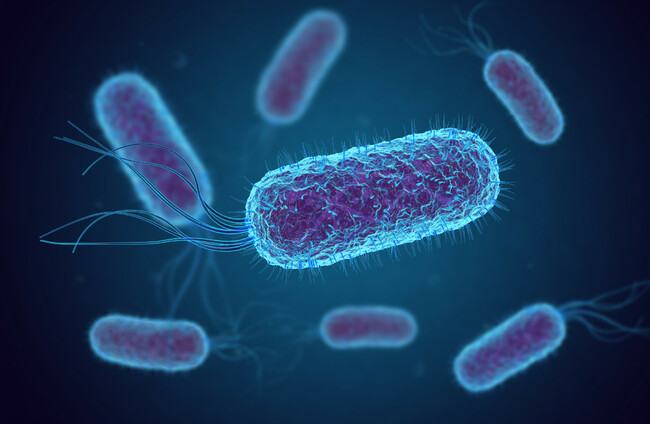
THE DEPARTMENT OF Public Health Mid-West, which covers Co Limerick, Co Clare and North Tipperary, has said it will investigate a “noticeable increase” in E. Coli cases and outbreaks in the region.
Verotoxigenic E. Coli (VTEC) can cause severe stomach pains and diarrhoea, as well as a serious condition known as Haemolytic Uremic Syndrome (HUS), which results in the breakdown of red blood cells and kidney failure.
There have been 634 cases nationwide since the start of this year, an increase from the same period of 2021 which saw 609.
The Health Protection Surveillance Centre (HPSC) has recorded 29 cases in the week preceding 27 August, 7 of which were in the Mid-West region.
This is the most recent week recorded and had more cases than the previous four weeks combined, in which there approximately 25.
🚨 𝗣𝘂𝗯𝗹𝗶𝗰 𝗛𝗲𝗮𝗹𝘁𝗵 𝘂𝗽𝗱𝗮𝘁𝗲 🚨
— Public Health Mid-West (@PublicHealthMW) September 5, 2022
We would like to emphasise the importance of the effective treatment of private well water and washing hands, following a noticeable increase in Verotoxigenic E. Coli (VTEC) cases and outbreaks in the region in recent weeks 🧵 pic.twitter.com/Db317XMYWy
These included “a number of hospitalisations”, Public Health Mid-West stated in a series of Tweets.
“A small number of HUS cases have been confirmed.”
“Between 5-10% of VTEC cases, particularly children under five and the elderly, will suffer from HUS, with some requiring dialysis. Five percent of people who develop this serious condition may die.”
“If your private well water is not treated, the water you are drinking could be contaminated and cause illness. There are a number of ways you can treat you well, and you may able to avail of local authority grants to support treatment.”
Public Health Mid-West advised people to use warm water and soap to wash their hands when on or near farm settings/petting zoos; before and after preparing and eating food; after using a toilet or nappies.
The department also urged people to “thoroughly wash raw vegetables before eating, and always cook meat fully”.
Farm animals particularly cattle, carry VETEC in their bowels and can pass the bacteria to humans through direct contact or their surrounding environment; from eating unwashed or undercooked contaminated food; from drinking water from contaminated wells.
The bacteria can also be spread by people infected with VTEC such as in household or childcare settings where there is nappy changing or shared toilet facilities.
The department added that over the past 10 years, it has encountered approximately 1,250 cases of VTEC and that “the region has one of the highest rates of VTEC in Ireland, and Ireland has one of the highest rates in Europe.”
Dr Mai Mannix, Area Director for Public Health Mid-West, said that, “while it is not unusual to see an increase in VTEC cases during the warm period, many infections can be preventable by effective hand washing around farms and petting zoos, and the treatment of your private well”.
“While it can last in the human system for a number of days, it can take weeks—sometimes months—to clear the infection,” said Dr Mannix.
“Not only can it cause severe illness, there can be a wider, disruptive burden associated with the disease to individuals, households, and sometimes businesses,” she added.
With additional reporting from David Raleigh

To embed this post, copy the code below on your site















have your say