Sign in. It’s quick, free and it’s up to you.
An account is an optional way to support the work we do. Find out more.
Sign in. It’s quick, free and it’s up to you.
An account is an optional way to support the work we do. Find out more.
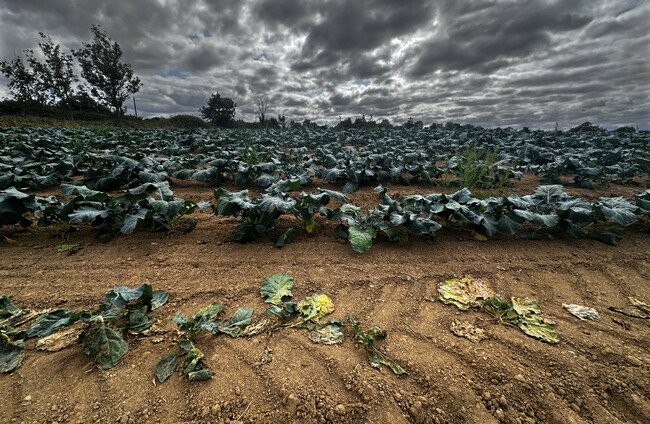
CLIMATE CHANGE HAS made extreme July conditions eight times more likely, a new study from Maynooth University has found.
This July was Ireland’s driest July on record, with the country getting less than one-fifth of its average rain levels for the month.
Out of the 25 weather stations that Met Éireann has set up around Ireland, 20 recorded ‘absolute droughts’ in July - a period of 15 or more days in a row with no more than 0.2mm of rain on any single day.
A group of researchers from Maynooth looked at potential evapotranspiration (PET) – the atmosphere’s capacity to remove moisture from the earth – and found that though the lack of rainfall caused dry conditions, high temperatures increased dryness by increasing PET.
The new study, which was supported by researchers at Met Éireann and Teagasc, under the umbrella of the WASITUS project, found that human-caused global warming made extreme July PET about eight times more likely.
It found that extremely dry Julys are actually becoming less common, but when they do occur, they are expected to bring even less rainfall.
“The evidence indicates that it was the PET which exacerbated the effects of the low rainfall conditions and therefore exacerbated the drought conditions experienced across Ireland in July 2026. In general, drying in July is being driven by rising temperatures, which leads to more evaporation, rather than changes in precipitation,” the report said.
It found that future summers are set to become warmer, not just during the day but also at night.
Farmers have already said the intense heat and low rainfall of the summer has increased production costs and reduced harvest yields. However, the report says that farmers must not treat this summer as a “one-off” and start planning for these changing weather conditions.
“Ireland’s agriculture sector is highly dependent on expected weather conditions. As global temperatures continue to rise, we expect soils to become increasingly dry during the warm summer months,” it said.
“What, historically, has been seen as unusually dry soil conditions will become increasingly common under further global warming, and it is important that farmers start to plan for such an eventuality rather than seeing the past summer as a one-off.”

To embed this post, copy the code below on your site
















have your say